What does 2 Corinthians 1:9 mean?
“But we had the sentence of death in ourselves, that we should not trust in ourselves, but in God which raiseth the dead:” — 2 Corinthians 1:9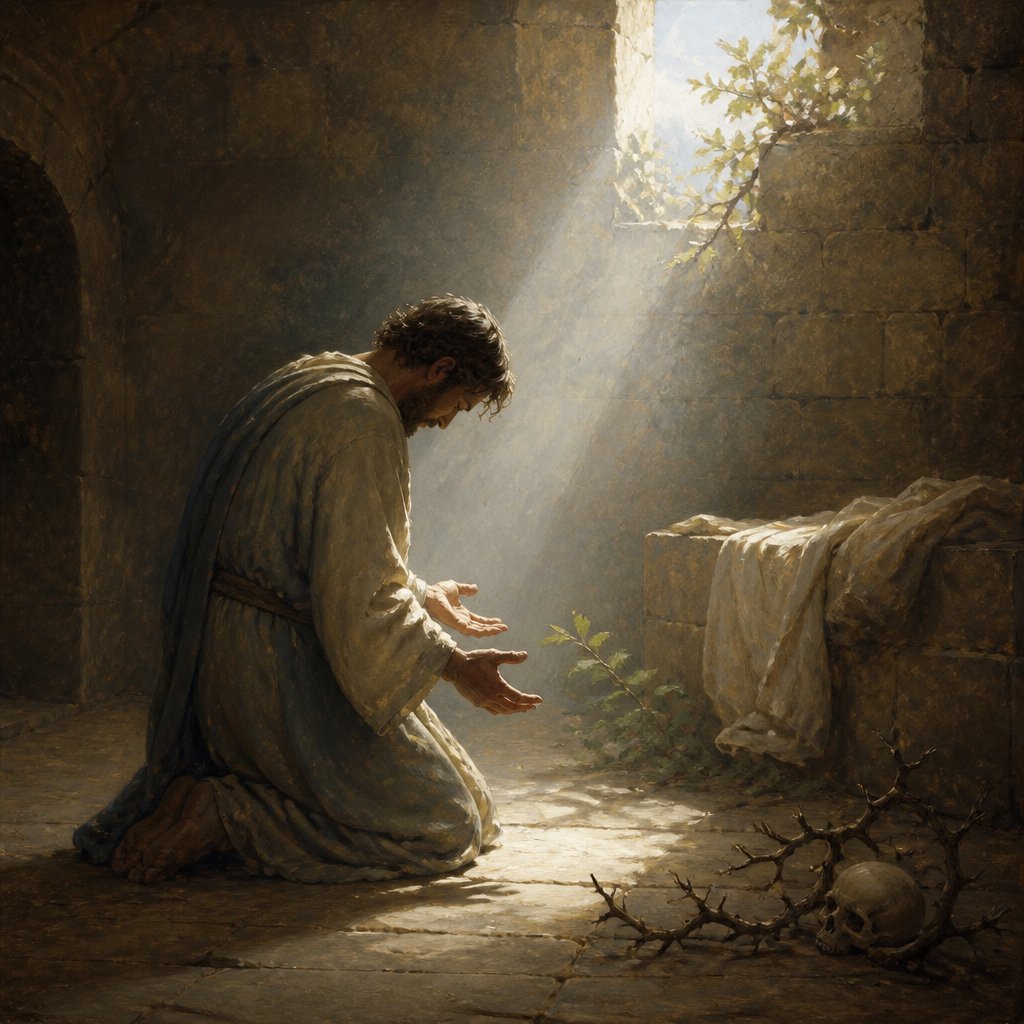
The Bible verse 2 Corinthians 1:9 in the King James Version reads: "But we had the sentence of death in ourselves, that we should not trust in ourselves, but in God which raiseth the dead."
This verse is taken from the second letter of the apostle Paul to the church in Corinth. In this verse, Paul is speaking about the hardships and trials that he and his companions faced in Asia. He describes the difficulties they experienced as being so severe that they felt they had received the "sentence of death" within themselves. This means that they felt as though they were facing imminent death. However, the purpose of these trials, according to Paul, was so that they would learn not to trust in themselves, but in God who has the power to raise the dead.
One of the key themes in this verse is the idea of trust and reliance on God in the midst of trials and difficulties. The apostle Paul experienced numerous trials and hardships throughout his ministry, including persecution, imprisonment, and physical afflictions. In this verse, he is conveying to the Corinthians that, despite the severity of their suffering, they should not lose hope or trust in themselves, but rather, they should place their trust in God, who has the power to overcome even death itself.
The context of this verse is important for understanding its meaning. Paul is writing to the Corinthian church to address various issues and concerns that had arisen within the congregation. In this particular passage, he is defending his ministry and reaffirming his dedication to the gospel, despite the suffering he has endured. He is reminding the Corinthians that even in the face of death, they should not lose hope or faith, but continue to trust in the power of God.
The symbolism in this verse is also significant. The "sentence of death" that Paul speaks of can be seen as a metaphor for the trials and challenges that the Corinthians and other believers may face in their own lives. It represents the feeling of hopelessness and despair that can accompany difficult circumstances. However, the hope and encouragement that Paul offers comes from the reminder that God is able to raise the dead. This symbolizes the power of God to bring new life and hope in the face of seemingly insurmountable obstacles.
Overall, 2 Corinthians 1:9 is a powerful reminder of the importance of trusting in God, even in the midst of trials and suffering. It encourages believers to not rely on their own strength or understanding, but to place their faith in the power and sovereignty of God. This verse carries a message of hope and assurance that, no matter how dire the situation may seem, God is ultimately in control and has the ability to bring about new life and restoration. It serves as a source of encouragement for believers who are facing their own trials and challenges, reminding them that they can find strength and hope in God's unfailing power.
Get our apps


Artwork for 2 Corinthians 1:9

2 Corinthians 1:9 - "But we had the sentence of death in ourselves, that we should not trust in ourselves, but in God which raiseth the dead:"

2 Corinthians 1:9-10 - "Indeed, we felt we had received the sentence of death. But this happened that we might not rely on ourselves but on God, who raises the dead. He has delivered us from such a deadly peril, and he will deliver us again. On him we have set our hope that he will continue to deliver us."
"But we had the sentence of death in ourselves, that we should not trust in ourselves, but in God which raiseth the dead:" - 2 Corinthians 1:9
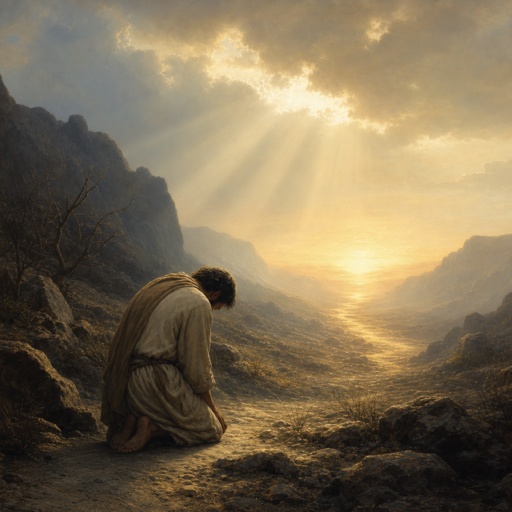
"Indeed, we felt we had received the sentence of death. But this happened that we might not rely on ourselves but on God, who raises the dead. He has delivered us from such a deadly peril, and he will deliver us again. On him we have set our hope that he will continue to deliver us." - 2 Corinthians 1:9-10

2 Corinthians 9:1 - "For as touching the ministering to the saints, it is superfluous for me to write to you:"

2 Corinthians 9:9

1 Corinthians 9:2 - "If I be not an apostle unto others, yet doubtless I am to you: for the seal of mine apostleship are ye in the Lord."

1 Corinthians 9:25-27

1 Corinthians 9:25-27

1 Corinthians 9:25-27

1 Corinthians 9:25-27

2 Corinthians 12:9

2 Corinthians 12:9

2 Corinthians 12:9
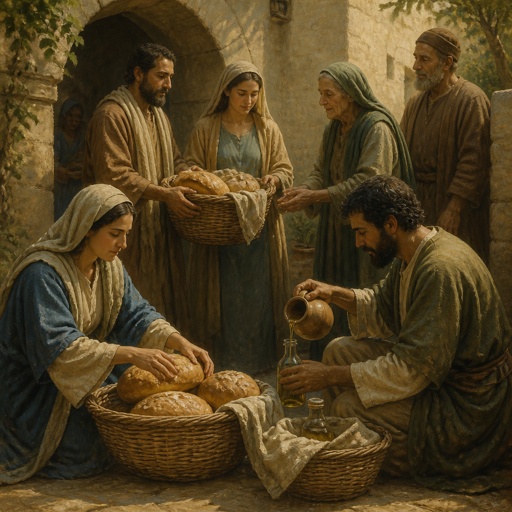
"For as touching the ministering to the saints, it is superfluous for me to write to you:" - 2 Corinthians 9:1

2 Corinthians 1:3-4

2 Corinthians 4:9 - "Persecuted, but not forsaken; cast down, but not destroyed;"

"But as it is written, Eye hath not seen, nor ear heard, neither have entered into the heart of man, the things which God hath prepared for them that love him." - 1 Corinthians 2:9

1 Corinthians 2:9 - "But as it is written, Eye hath not seen, nor ear heard, neither have entered into the heart of man, the things which God hath prepared for them that love him."
2 Corinthians 12:9-10

2 Corinthians 9:15 - "Thanks be unto God for his unspeakable gift."

1 Corinthians 9:4 - "Have we not power to eat and to drink?"

2 Corinthians 9:9 - "(As it is written, He hath dispersed abroad; he hath given to the poor: his righteousness remaineth for ever."

1 Corinthians 13:9 - "For we know in part, and we prophesy in part."

2 Corinthians 10:9 - "That I may not seem as if I would terrify you by letters."

1 corinthians 2:12

1 corinthians 2:12

1 Corinthians 11:9 - "Neither was the man created for the woman; but the woman for the man."

1 Corinthians 9:3 - "Mine answer to them that do examine me is this,"

1 Corinthians 5:9 - "I wrote unto you in an epistle not to company with fornicators:"