
The passage 2 Corinthians 2:14-17 from the King James Version reads:
"Now thanks be unto God, which always causeth us to triumph in Christ, and maketh manifest the savour of his knowledge by us in every place. For we are unto God a sweet savour of Christ, in them that are saved, and in them that perish: To the one we are the savour of death unto death; and to the other the savour of life unto life. And who is sufficient for these things? For we are not as many, which corrupt the word of God: but as of sincerity, but as of God, in the sight of God speak we in Christ."
This passage captures the essence of Christian faith and the responsibilities that come with it. The themes of triumph in Christ, the spreading of knowledge, and the consequences of belief or unbelief are central to this passage.
The passage begins with a sense of gratitude and reverence towards God, expressing thanks for causing believers to triumph in Christ. This triumph is not a result of their own abilities, but rather it is attributed to God's work in their lives. The language of triumph implies a victory or success that is only possible through the power of Christ. This sets the tone for the rest of the passage, emphasizing the believer's dependence on God for their spiritual victory.
The passage then speaks of manifesting the "savour of his knowledge" in every place. The word "savour" here refers to a scent or fragrance, indicating that the knowledge of God is something that is meant to be spread and experienced by others. The believers are portrayed as a vessel through which the fragrance of God's knowledge is made known to others. This highlights the role of believers as witnesses and ambassadors for Christ, responsible for bringing the knowledge of God to those around them.
It goes on to describe the impact of this spread of knowledge, stating that believers are a "sweet savour of Christ" to those who are saved, but a "savour of death unto death" to those who perish. This suggests that the message of Christ, when accepted, brings about life and salvation. However, for those who reject this message, it leads to spiritual death. This duality reflects the significance of the believer's message and the weight of the consequences attached to it.
The passage then poses a rhetorical question: "And who is sufficient for these things?" This emphasizes the enormity of the task given to believers – to be the bearers of the message that leads to either life or death. It underscores the gravity of the responsibility and the inadequacy of human abilities to fulfill it without God's empowerment.
The passage concludes by contrasting the believers with those who "corrupt the word of God," indicating that the believers speak with sincerity and as representatives of God. This highlights the integrity and purity of the message they carry and the importance of preserving the truth of God's word.
In terms of context, this passage is part of a letter from the apostle Paul to the Corinthians, addressing various issues within the church. In this particular passage, Paul is likely addressing the role and responsibility of believers in spreading the message of Christ and the impact it has on those who receive or reject it.
Symbolically, the imagery of fragrance or savour represents the transformative and attractive nature of the knowledge of God. The believers are depicted as carriers of this fragrance, responsible for spreading it to those around them. The contrast between life and death further underscores the weight of this responsibility, highlighting the eternal consequences of belief or unbelief.
In conclusion, 2 Corinthians 2:14-17 emphasizes the believers' dependence on God for their spiritual triumph, their role in spreading the knowledge of God, and the profound impact of this message on those who receive it. It serves as a reminder of the weight and significance of the believer's mission and the transformative power of the message they carry.
Get our apps


Artwork for 2 Corinthians 2:14-17

2 Corinthians 2:14-17 - "But thanks be to God, who always leads us as captives in Christ’s triumphal procession and uses us to spread the aroma of the knowledge of him everywhere. For we are to God the pleasing aroma of Christ among those who are being saved and those who are perishing. To the one we are an aroma that brings death; to the other, an aroma that brings life. And who is equal to such a task? Unlike so many, we do not peddle the word of God for profit. On the contrary, in Christ we speak before God with sincerity, as those sent from God."
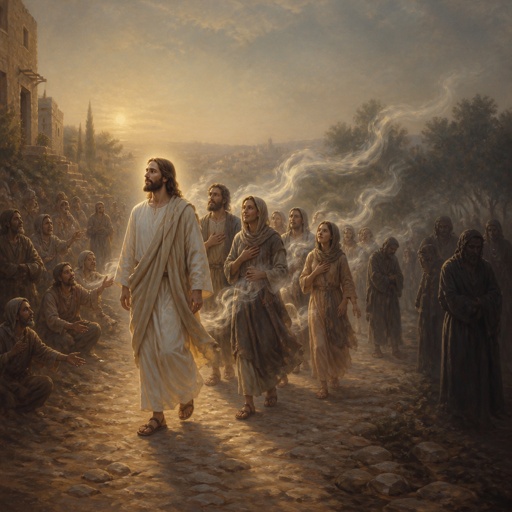
"But thanks be to God, who always leads us as captives in Christ’s triumphal procession and uses us to spread the aroma of the knowledge of him everywhere. For we are to God the pleasing aroma of Christ among those who are being saved and those who are perishing. To the one we are an aroma that brings death; to the other, an aroma that brings life. And who is equal to such a task? Unlike so many, we do not peddle the word of God for profit. On the contrary, in Christ we speak before God with sincerity, as those sent from God." - 2 Corinthians 2:14-17

2 Corinthians 5:17

2 Corinthians 4:17

2 Corinthians 5:17

2 Corinthians 5:17

2 Corinthians 5:17

2 Corinthians 5:17

2 Corinthians 5:17

2 Corinthians 5:17

2 Corinthians 5:17

2 Corinthians 5:17

2 Corinthians 5:17

2 Corinthians 5:17

2 Corinthians 2:14 - "Now thanks be unto God, which always causeth us to triumph in Christ, and maketh manifest the savour of his knowledge by us in every place."

2 Corinthians 6:14-18

2 Corinthians 2:17 - "For we are not as many, which corrupt the word of God: but as of sincerity, but as of God, in the sight of God speak we in Christ."

2 Corinthians 10:17 - "But he that glorieth, let him glory in the Lord."

2 Corinthians 3:17 - "Now the Lord is that Spirit: and where the Spirit of the Lord is, there is liberty."

2 Corinthians 11:14 - "And no marvel; for Satan himself is transformed into an angel of light."

2 Corinthians 11:17 - "That which I speak, I speak it not after the Lord, but as it were foolishly, in this confidence of boasting."

2 Corinthians 12:17 - "Did I make a gain of you by any of them whom I sent unto you?"

2 Corinthians 9:14 - "And by their prayer for you, which long after you for the exceeding grace of God in you."

2 Corinthians 4:17 - "For our light affliction, which is but for a moment, worketh for us a far more exceeding and eternal weight of glory;"

2 Corinthians 13:14 - "The grace of the Lord Jesus Christ, and the love of God, and the communion of the Holy Ghost, be with you all. Amen."

The old has gone, the new is here. — 2 Corinthians 5:17

1 Corinthians 14:17 - "For thou verily givest thanks well, but the other is not edified."

2 Corinthians 8:17 - "For indeed he accepted the exhortation; but being more forward, of his own accord he went unto you."

2 Corinthians 5:14 - "For the love of Christ constraineth us; because we thus judge, that if one died for all, then were all dead:"

"But he that glorieth, let him glory in the Lord." - 2 Corinthians 10:17