What does 2 Corinthians 7:9 mean?
“Now I rejoice, not that ye were made sorry, but that ye sorrowed to repentance: for ye were made sorry after a godly manner, that ye might receive damage by us in nothing.” — 2 Corinthians 7:9
The Bible verse 2 Corinthians 7:9 from the King James Version (KJV) states, "Now I rejoice, not that ye were made sorry, but that ye sorrowed to repentance: for ye were made sorry after a godly manner, that ye might receive damage by us in nothing." This verse is found in the New Testament and is part of a letter written by the apostle Paul to the church in Corinth.
In order to fully understand the meaning and importance of this verse, it is necessary to examine the surrounding context and the historical background of Paul's letter to the Corinthians. The church in Corinth was known for its many problems and divisions, and Paul wrote his two letters to the Corinthians in an effort to address these issues and provide guidance for the members of the church.
In 2 Corinthians 7, Paul is addressing the Corinthians’ response to a previous letter he had sent them. In the letter, Paul had rebuked the church for their sinful behavior and urged them to repent and turn back to God. In verse 8, Paul acknowledges that his letter had caused the Corinthians sorrow, but in verse 9, he expresses his joy that their sorrow had led to true repentance.
The theme of repentance and godly sorrow is central to the message of this verse. Paul's joy stems not from the fact that the Corinthians were made sorry by his previous letter, but rather from the fact that their sorrow led them to repentance. This underscores the importance of genuine, heartfelt repentance as a necessary step towards spiritual growth and restoration. The Corinthians’ sorrow was not merely a worldly sorrow, but a "godly sorrow," indicating a deep sense of regret and remorse for their sins, and a desire to turn away from them and back to God.
The verse also emphasizes the idea that genuine repentance and godly sorrow bring about positive change and transformation in the lives of believers. The purpose of their sorrow was not to cause them harm or damage, but rather to bring about genuine repentance and spiritual growth. Paul affirms that their sorrow had ultimately resulted in no harm to them, but rather had brought about positive change and spiritual renewal.
Symbolism can be found in the contrast between worldly sorrow and godly sorrow. Worldly sorrow often leads to negative outcomes such as despair, hopelessness, and even further sin, whereas godly sorrow leads to repentance and restoration. This dichotomy serves as a reminder of the transformative power of genuine repentance and the redemptive nature of God's grace.
Overall, 2 Corinthians 7:9 conveys a message of hope, redemption, and the transformative power of genuine repentance. It serves as a reminder of the importance of turning away from sin and returning to God with a sincere heart. The verse encourages believers to embrace godly sorrow as a catalyst for positive change and spiritual growth, and to find joy in the transformative work that God can do in our lives through repentance.
Get our apps


Artwork for 2 Corinthians 7:9

2 Corinthians 7:9 - "Now I rejoice, not that ye were made sorry, but that ye sorrowed to repentance: for ye were made sorry after a godly manner, that ye might receive damage by us in nothing."

"Now I rejoice, not that ye were made sorry, but that ye sorrowed to repentance: for ye were made sorry after a godly manner, that ye might receive damage by us in nothing." - 2 Corinthians 7:9

2 Corinthians 9:7 - "Every man according as he purposeth in his heart, so let him give; not grudgingly, or of necessity: for God loveth a cheerful giver."

Corinthians 9:6-7

2 Corinthians 9:9

2 Corinthians 7:10

2 Corinthians 12:9

2 Corinthians 12:9

2 Corinthians 12:9

2 Corinthians 12:7

1 Corinthians 7:9 - "But if they cannot contain, let them marry: for it is better to marry than to burn."

2 Corinthians 12:7

2 Corinthians 12:7

2 Corinthians 12:7

2 Corinthians 4:7-9 - "But we have this treasure in jars of clay to show that this all-surpassing power is from God and not from us. We are hard pressed on every side, but not crushed; perplexed, but not in despair; persecuted, but not abandoned; struck down, but not destroyed."

Corinthians 9:6-7 for Christmas card with little kids.

2 Corinthians 5:7 - "(For we walk by faith, not by sight:)"

2 Corinthians 4:9 - "Persecuted, but not forsaken; cast down, but not destroyed;"
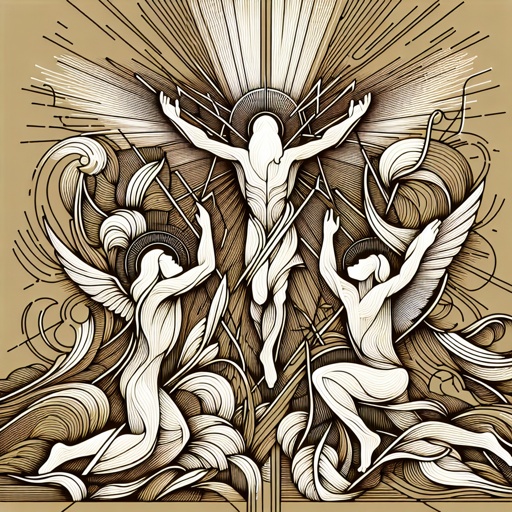
2 Corinthians 12:9-10

2 Corinthians 9:15 - "Thanks be unto God for his unspeakable gift."

2 Corinthians 9:1 - "For as touching the ministering to the saints, it is superfluous for me to write to you:"

2 Corinthians 9:9 - "(As it is written, He hath dispersed abroad; he hath given to the poor: his righteousness remaineth for ever."

2 Corinthians 10:9 - "That I may not seem as if I would terrify you by letters."

A heartfelt Christmas card scene inspired by Corinthians 9:6-7, drawn by a 7 year old kid with color pencil, crayons and watercolour.

A heartfelt Christmas card scene inspired by Corinthians 9:6-7, drawn by a 7 year old kid with color pencil, crayons and watercolour.

2 Corinthians 7:16 - "I rejoice therefore that I have confidence in you in all things."

2 Corinthians 5:9 - "Wherefore we labour, that, whether present or absent, we may be accepted of him."

2 Corinthians 2:9 - "For to this end also did I write, that I might know the proof of you, whether ye be obedient in all things."

2 Corinthians 9:6-7 - "But this I say, He which soweth sparingly shall reap also sparingly; and he which soweth bountifully shall reap also bountifully. Every man according as he purposeth in his heart, so let him give; not grudgingly, or of necessity: for God loveth a cheerful giver."

2 Corinthians 6:7 - "By the word of truth, by the power of God, by the armour of righteousness on the right hand and on the left,"