What does 2 Kings 10:5 mean?
“And he that was over the house, and he that was over the city, the elders also, and the bringers up of the children, sent to Jehu, saying, We are thy servants, and will do all that thou shalt bid us; we will not make any king: do thou that which is good in thine eyes.” — 2 Kings 10:5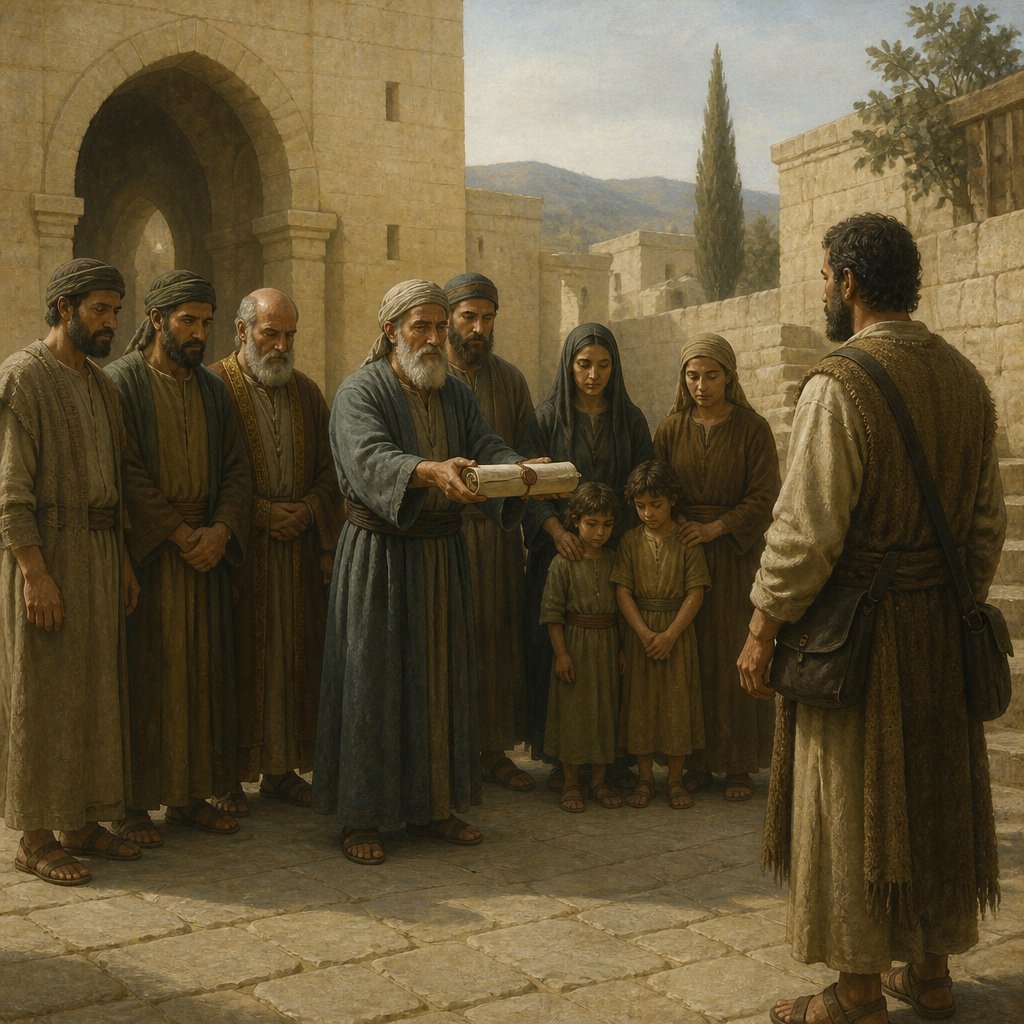
2 Kings 10:5 (KJV) is a verse from the Old Testament that reads, "And he that was over the house, and he that was over the city, the elders also, and the bringers up of the children, sent to Jehu, saying, We are thy servants, and will do all that thou shalt bid us; we will not make any king: do thou that which is good in thine eyes."
Context:
This verse is part of the larger narrative in the book of 2 Kings that chronicles the history of the kings of Israel and Judah. Specifically, this chapter focuses on the actions of Jehu, a commander in the army of Israel who was anointed as king by a prophetic directive. Jehu is known for his zealous and aggressive actions in dealing with the house of Ahab, particularly in purging the land of the worship of Baal.
Meaning and Commentary:
In this verse, we see a group of influential figures – including the leader of the household, the leader of the city, the elders, and the caretakers of the young – sending a message to Jehu, proclaiming their allegiance and willingness to obey his commands. They acknowledge Jehu as their master and pledge their loyalty to him, committing themselves to carry out any instructions he gives them. They also express their conviction not to appoint any king on their own, and instead entrust the decision-making to Jehu, with the condition that he acts in accordance with what is good in his own eyes.
The significance of this verse lies in the implicit power dynamics and the tension between the ruling authority and the subjects. The individuals who send this message to Jehu occupy positions of influence and leadership within their respective spheres, yet they willingly submit themselves to Jehu's authority. This can be interpreted as a gesture of support and obedience towards Jehu's cause, as well as a strategic move to align themselves with the prevailing political power.
The language used in the verse also underscores the deference and deferential tone of the message. The phrase "We are thy servants" conveys a sense of servitude and humility, indicating their willingness to serve under Jehu's leadership. Additionally, their pledge to "do all that thou shalt bid us" reflects their commitment to carry out Jehu's directives without question. The emphasis on not making any king on their own suggests a deliberate decision to avoid any further complications or challenges to Jehu's authority, and to entrust him with the responsibility of making decisions for the benefit of the nation.
Symbolism:
This verse also carries symbolic significance within the broader biblical context. It can be interpreted as a demonstration of the concept of submission and obedience to legitimate authority, as well as a reflection of the dynamics of power and leadership within a society. The individuals sending the message to Jehu symbolize a diverse range of societal roles and responsibilities – from the household manager and city official to the elders and caretakers of the young – thereby representing a cross-section of the community. Their unified pledge of allegiance to Jehu serves as a potent symbol of solidarity and collective support for his leadership.
Furthermore, the verse can be interpreted as a reflection of the principles of godly leadership and governance. By affirming their readiness to follow Jehu's lead and to uphold his decisions, the individuals exemplify a spirit of obedience and trust in the leadership that aligns with the biblical principles of respecting and honoring authority. The verse also highlights the importance of seeking the welfare of the community and the nation by entrusting leadership to those deemed capable of acting in the best interests of the people.
In conclusion, 2 Kings 10:5 (KJV) conveys a message of submission, loyalty, and deference to a newly anointed leader, reflecting the complexities of power dynamics and authority within a society. It serves as a powerful demonstration of unity and support for Jehu's leadership, as well as a symbolic representation of the principles of obedience and godly governance within the biblical narrative.
Get our apps


Artwork for 2 Kings 10:5

2 Kings 10:5 - "And he that was over the house, and he that was over the city, the elders also, and the bringers up of the children, sent to Jehu, saying, We are thy servants, and will do all that thou shalt bid us; we will not make any king: do thou that which is good in thine eyes."
"And he that was over the house, and he that was over the city, the elders also, and the bringers up of the children, sent to Jehu, saying, We are thy servants, and will do all that thou shalt bid us; we will not make any king: do thou that which is good in thine eyes." - 2 Kings 10:5

2 Kings 5:10 - "And Elisha sent a messenger unto him, saying, Go and wash in Jordan seven times, and thy flesh shall come again to thee, and thou shalt be clean."

2 corinthians 10:3-5

2 corinthians 10:3-5

2 corinthians 10:3-5

2 corinthians 10:3-5

2 corinthians 10:3-5

2 corinthians 10:3-5

2 corinthians 10:3-5

2 corinthians 10:3-5

2 corinthians 10:3-5

2 corinthians 10:3-5

2 corinthians 10:3-5

2 corinthians 10:3-5

Revelation 5:10 - "And hast made us unto our God kings and priests: and we shall reign on the earth."

1 Kings 5:2 - "And Solomon sent to Hiram, saying,"

2 Kings 3:10 - "And the king of Israel said, Alas! that the LORD hath called these three kings together, to deliver them into the hand of Moab!"

2 Kings 4:4-5

1 Kings 5:10 - "So Hiram gave Solomon cedar trees and fir trees according to all his desire."

2 Kings 19:5 - "So the servants of king Hezekiah came to Isaiah."

2 Kings 24:5 - "¶ Now the rest of the acts of Jehoiakim, and all that he did, are they not written in the book of the chronicles of the kings of Judah?"

2 Kings 10:28 - "Thus Jehu destroyed Baal out of Israel."

2 Kings 21:10 - "¶ And the LORD spake by his servants the prophets, saying,"

2 Kings 10:4 - "But they were exceedingly afraid, and said, Behold, two kings stood not before him: how then shall we stand?"

2 Kings 10:34 - "Now the rest of the acts of Jehu, and all that he did, and all his might, are they not written in the book of the chronicles of the kings of Israel?"

2 Kings 10:20 - "And Jehu said, Proclaim a solemn assembly for Baal. And they proclaimed it."

"Thus Jehu destroyed Baal out of Israel." - 2 Kings 10:28

2 corinthians 10:3-5

1 Kings 2:10 - "So David slept with his fathers, and was buried in the city of David."