What does 2 Kings 11:1 mean?
“And when Athaliah the mother of Ahaziah saw that her son was dead, she arose and destroyed all the seed royal.” — 2 Kings 11:1
The Bible verse 2 Kings 11:1 in the King James Version reads: "And when Athaliah the mother of Ahaziah saw that her son was dead, she arose and destroyed all the seed royal."
This verse is part of the historical account of the reign of Ahaziah and the subsequent rise of Athaliah to power in the kingdom of Judah. In order to fully understand the meaning and commentary of this verse, it is necessary to provide some context and background information.
In the preceding chapters of 2 Kings, the reader learns about the reign of Ahaziah, who became king of Judah after the death of his father, Jehoram. Ahaziah's reign is characterized by idolatry and wickedness, as he follows in the footsteps of his parents, Ahab and Jezebel, who were notorious for their evil ways. As a result of his rebellion against God, Ahaziah faces dire consequences, as he is wounded in battle and later dies from his injuries.
The verse 2 Kings 11:1 introduces Athaliah, who is the mother of Ahaziah, and her ruthless attempt to seize power following the death of her son. Athaliah's actions reflect the political turmoil and power struggles that often plagued the kingdoms of Judah and Israel during this period.
One of the key themes in this verse is the danger of ungodly leadership and the consequences of disobedience to God. Throughout the Old Testament, there is a recurring pattern of kings and leaders who turn away from God and lead their people into idolatry and moral decay. Ahaziah's reign is a prime example of this, and the tragic outcome of his rule serves as a warning to future generations about the perils of following in his footsteps.
Another important theme is the role of women in leadership and the exercise of power. Athaliah's ruthless actions demonstrate the lengths to which individuals will go to maintain or gain power, regardless of moral or ethical considerations. Her usurpation of the throne highlights the instability and chaos that can result from unchecked ambition and the absence of principled leadership.
Furthermore, this verse serves as a reminder of the sovereignty and providence of God in the midst of political upheaval and human machinations. Despite the turmoil and instability within the kingdom of Judah, God remains in control and continues to work out His purposes. The eventual rise of Joash, the rightful heir to the throne, and Athaliah's downfall are evidence of God's faithfulness and justice.
Symbolically, Athaliah's actions are a representation of the destructive nature of sin and rebellion against God. Just as she seeks to destroy the "seed royal," or the rightful heirs to the throne, sin and disobedience have the potential to corrupt and undermine the promises and purposes of God for His people. However, the ultimate triumph of Joash and the restoration of the Davidic line symbolize God's faithfulness and the fulfillment of His covenant promises.
In conclusion, the verse 2 Kings 11:1 in the King James Version is a poignant reminder of the consequences of ungodly leadership, the dangers of unchecked ambition, and the sovereignty of God in the midst of political turmoil. It serves as a cautionary tale for both leaders and the people, urging them to remain faithful to God and His commands. Additionally, it offers hope and assurance that God remains in control, working out His purposes even in the face of human rebellion and chaos.
Get our apps


Artwork for 2 Kings 11:1

2 Kings 11:1 - "And when Athaliah the mother of Ahaziah saw that her son was dead, she arose and destroyed all the seed royal."

"And when Athaliah the mother of Ahaziah saw that her son was dead, she arose and destroyed all the seed royal." - 2 Kings 11:1
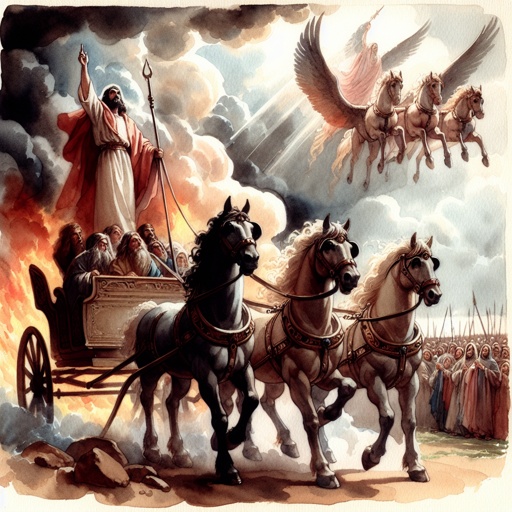
2 Kings 2:11

1 Kings 11:11
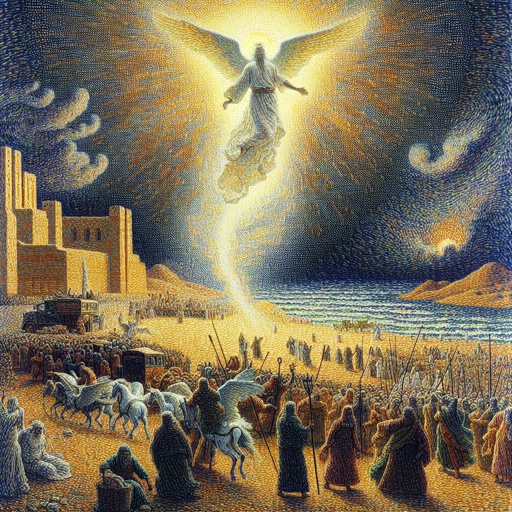
2 Kings 2:11

2 Kings 2:11

1 Kings 11:11

1 Kings 11:11

1 Kings 11:11

1 Kings 11:11

1 kings 11:11-13

1 Kings 11:11-13

1 Kings 11:11-13

1 Kings 11:1-5

2 Kings 15:11 - "And the rest of the acts of Zachariah, behold, they are written in the book of the chronicles of the kings of Israel."

1 Kings 2:11 - "And the days that David reigned over Israel were forty years: seven years reigned he in Hebron, and thirty and three years reigned he in Jerusalem."

1 Kings 12:11

1 Kings 11:13

1 Kings 12:11

1 Kings 11:5

1 Kings 11:13

1 Kings 12:11

1 Kings 12:11

1 Kings 12:11

2 Kings 7:11 - "And he called the porters; and they told it to the king's house within."

1 Kings 6:11-13

1 Kings 11:29-32

2 Kings 2:11 – "As they were walking along and talking together, suddenly a chariot of fire and horses of fire appeared."

1 Kings 11:30-31

1 Kings 6:11-13