What does 2 Kings 14:11 mean?
"But Amaziah would not hear. Therefore Jehoash king of Israel went up; and he and Amaziah king of Judah looked one another in the face at Beth-shemesh, which belongeth to Judah." - 2 Kings 14:11
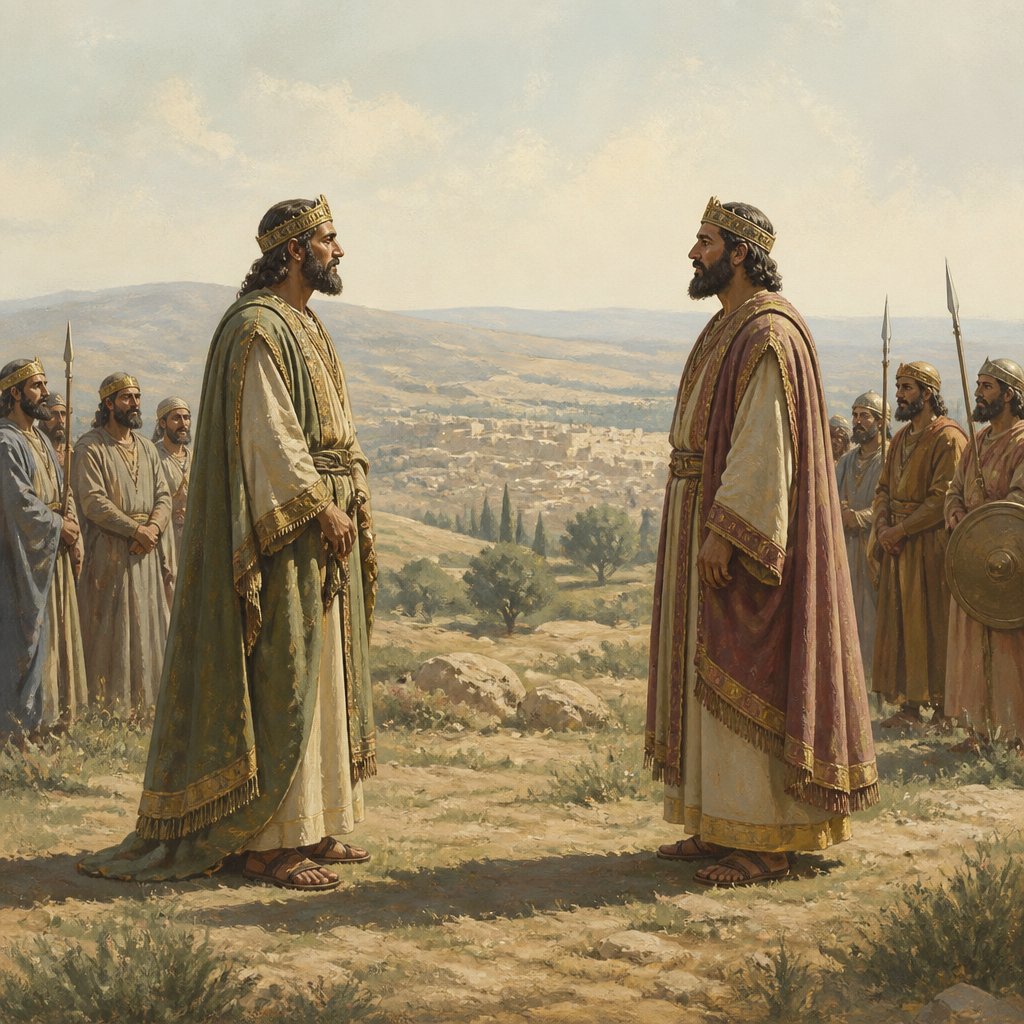
2 Kings 14:11 (KJV) reads, "But Amaziah would not hear. Therefore Jehoash king of Israel went up; and he and Amaziah king of Judah looked one another in the face at Bethshemesh, which belongeth to Judah."
This verse is part of a larger passage that tells the story of Amaziah, the king of Judah, and his confrontation with Jehoash, the king of Israel. This interaction between the two kings is surrounded by political tensions, power struggles, and conflict, making it a significant event in the history of the kingdoms of Judah and Israel.
To fully understand the meaning and significance of this verse, it is essential to examine the context and historical background in which it is set. During this time, the nations of Judah and Israel were separate kingdoms, each with its own king and government. The relationship between these two kingdoms was often tense, marked by periods of alliance as well as conflict.
In the preceding verses, Amaziah has challenged Jehoash to battle, and Jehoash responds with a message that contains a parable about a thistle and a cedar tree, symbolizing the power and pride of each kingdom. But Amaziah refuses to listen and instead moves forward with his military campaign against Israel. This leads to the confrontation described in verse 11, as Jehoash and Amaziah come face to face at Bethshemesh.
The significance of this encounter lies in the symbolism and themes it represents. First, it highlights the consequences of pride and arrogance. Amaziah's refusal to heed the warnings of Jehoash and his determination to assert his own power and authority ultimately lead to conflict and confrontation. This serves as a cautionary tale about the dangers of pride and the importance of humility and wisdom in leadership.
Second, this verse underscores the themes of power dynamics and political maneuvering. The interaction between Amaziah and Jehoash reflects the complex and often volatile relationships between neighboring kingdoms in the ancient Near East. It illustrates the challenges and complexities of maintaining diplomatic relations, managing territorial disputes, and navigating shifting alliances.
Furthermore, the location of the encounter, Bethshemesh, holds symbolic significance. Bethshemesh was a border town between the kingdoms of Judah and Israel, and its name means "house of the sun." This geographical and etymological context adds layers of meaning to the confrontation between the two kings. It represents the meeting point between light and darkness, truth and deceit, and serves as a metaphor for the clash between good and evil, righteousness and wickedness.
Moreover, the encounter between Amaziah and Jehoash foreshadows the broader historical developments that lead to the eventual downfall of both kingdoms. Their rivalry and conflict ultimately weaken them, making them vulnerable to outside threats and conquest.
In conclusion, 2 Kings 14:11 captures a pivotal moment in the history of ancient Judah and Israel, shedding light on the complexities of power, pride, and politics. Through its rich symbolism, thematic depth, and historical significance, this verse offers valuable insights into the dynamics of leadership and the consequences of hubris. It serves as a timeless reminder of the dangers of unchecked ambition and the importance of wise and humble governance.
Have questions about 2 Kings 14:11?
Dive deeper into this scripture with Bible Chat — an AI-powered tool for exploring God's Word through conversation. Ask questions, get context, and grow in your understanding of the Bible.
Get Our Apps


2 Kings 14:11 Artwork

2 Kings 14:11 - "But Amaziah would not hear. Therefore Jehoash king of Israel went up; and he and Amaziah king of Judah looked one another in the face at Beth-shemesh, which belongeth to Judah."
"But Amaziah would not hear. Therefore Jehoash king of Israel went up; and he and Amaziah king of Judah looked one another in the face at Beth-shemesh, which belongeth to Judah." - 2 Kings 14:11
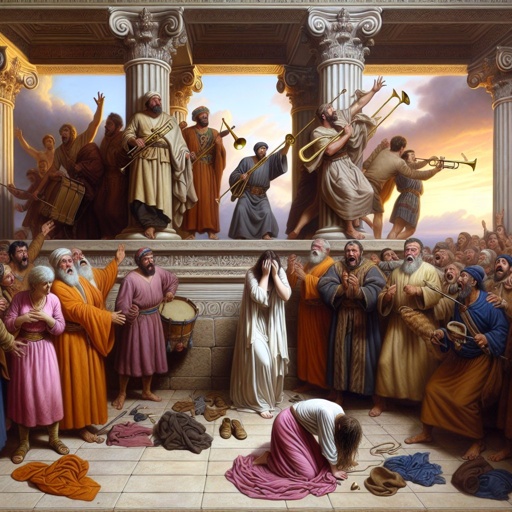
2 Kings 11:14 - "And when she looked, behold, the king stood by a pillar, as the manner was, and the princes and the trumpeters by the king, and all the people of the land rejoiced, and blew with trumpets: and Athaliah rent her clothes, and cried, Treason, Treason."
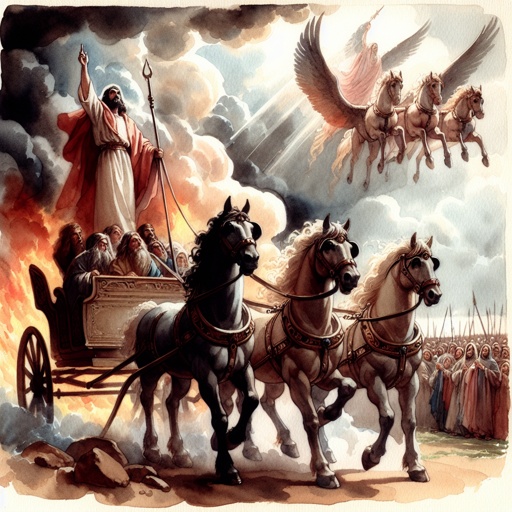
2 Kings 2:11
2 Kings 2:11
2 Kings 2:11

2 Kings 14:18 - "And the rest of the acts of Amaziah, are they not written in the book of the chronicles of the kings of Judah?"

1 Kings 11:14 - "¶ And the LORD stirred up an adversary unto Solomon, Hadad the Edomite: he was of the king's seed in Edom."

2 Kings 15:11 - "And the rest of the acts of Zachariah, behold, they are written in the book of the chronicles of the kings of Israel."

Titus 2:11-14

Titus 2:11-14

Titus 2:11-14

Titus 2:11-14

Titus 2:11-14

2 Kings 14:29 - "And Jeroboam slept with his fathers, even with the kings of Israel; and Zachariah his son reigned in his stead."

2 Kings 7:11 - "And he called the porters; and they told it to the king's house within."

2 Kings 12:14 - "But they gave that to the workmen, and repaired therewith the house of the LORD."

2 Kings 14:16 - "And Jehoash slept with his fathers, and was buried in Samaria with the kings of Israel; and Jeroboam his son reigned in his stead."

2 Kings 14:14 - "And he took all the gold and silver, and all the vessels that were found in the house of the LORD, and in the treasures of the king's house, and hostages, and returned to Samaria."

2 Kings 2:11 – "As they were walking along and talking together, suddenly a chariot of fire and horses of fire appeared."

2 Corinthians 11:14 - "And no marvel; for Satan himself is transformed into an angel of light."

2 Kings 14:22 - "He built Elath, and restored it to Judah, after that the king slept with his fathers."

1 Kings 14:1-20
1 Kings 14:11 - "Him that dieth of Jeroboam in the city shall the dogs eat; and him that dieth in the field shall the fowls of the air eat: for the LORD hath spoken it."

2 Kings 11:21 - "Seven years old was Jehoash when he began to reign."

2 Kings 14:12 - "And Judah was put to the worse before Israel; and they fled every man to their tents."
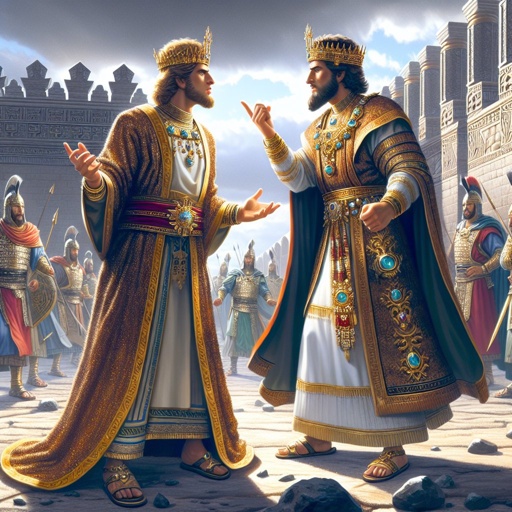
2 Kings 14:15 - "¶ Now the rest of the acts of Jehoash which he did, and his might, and how he fought with Amaziah king of Judah, are they not written in the book of the chronicles of the kings of Israel?"

2 Kings 24:11 - "And Nebuchadnezzar king of Babylon came against the city, and his servants did besiege it."

2 Kings 19:11 - "Behold, thou hast heard what the kings of Assyria have done to all lands, by destroying them utterly: and shalt thou be delivered?"

1 Kings 14:26