What does 2 Kings 17:27 mean?
"Then the king of Assyria commanded, saying, Carry thither one of the priests whom ye brought from thence; and let them go and dwell there, and let him teach them the manner of the God of the land." - 2 Kings 17:27
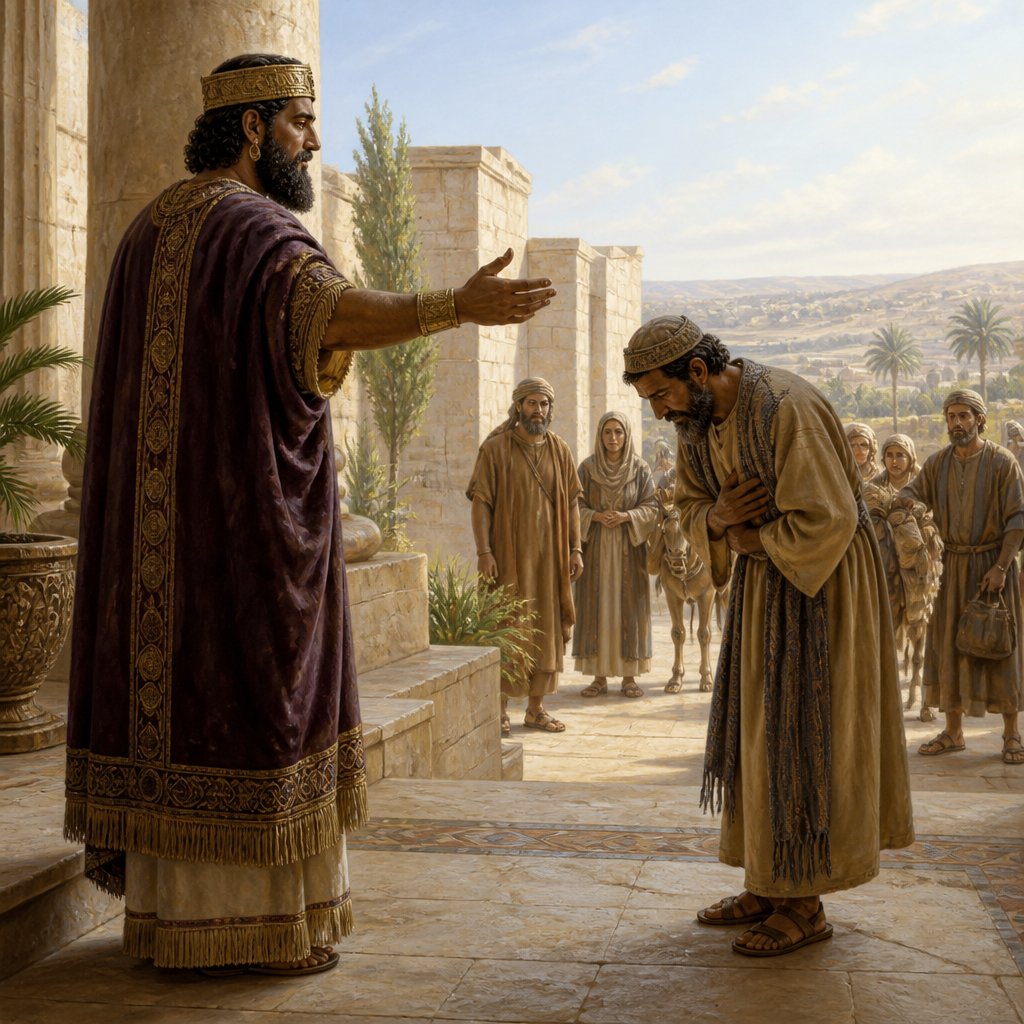
The Bible verse 2 Kings 17:27 from the King James Version (KJV) reads:
"Then the king of Assyria commanded, saying, Carry thither one of the priests whom ye brought from thence; and let them go and dwell there, and let him teach them the manner of the God of the land."
This verse is part of the historical account of the Israelites' exile to Assyria, as recorded in the book of 2 Kings. The Assyrian king had captured the Israelites and deported them to various cities in Assyria, as punishment for their disobedience to God. In this specific verse, the king of Assyria commands that one of the priests whom the Israelites had brought with them from their own land to be sent back to the Israelite exiles in their new settlements in Assyria. The purpose of sending the priest is for him to teach the Israelites the customs and practices of the God of the land, in other words, to ensure that the deported Israelites would assimilate to the religious and cultural practices of their new surroundings.
The context of this verse is crucial to understanding its significance. The Israelites had been living in rebellion against God, worshiping false idols and disregarding the commandments and laws that God had given them. As a result, they had experienced the consequences of their disobedience in the form of exile and captivity. The Assyrian king's decision to send a priest to teach the Israelites about the God of the land they now inhabited was not an act of benevolence, but rather a strategic move to maintain control over the exiled people and prevent them from revolting or causing unrest.
One of the key themes in this verse is the sovereignty of God. Despite the Israelites' disobedience and exile, God was still at work in their lives. He allowed the Assyrian king to take them captive as a result of their sin, but He also made provision for them to learn about Himself even in their new circumstances. This demonstrates God's faithfulness and mercy, even in the midst of judgment. It also highlights God's ability to work through human rulers and political situations for His ultimate purposes.
Another theme in this verse is the danger of syncretism. The Assyrian king's intention was to assimilate the Israelites into the religious practices of their new land, effectively diluting and compromising their devotion to the one true God. This is a temptation that the Israelites continually faced throughout their history - the temptation to conform to the beliefs and practices of the surrounding cultures rather than remaining faithful to God. This theme serves as a warning to believers today to remain steadfast in their faith and not be swayed by the influences of the world.
The symbolism in this verse lies in the figure of the priest who is sent to teach the Israelites the ways of the God of the land. This priest represents the ongoing role of God's representatives in teaching and guiding His people. Despite the challenging circumstances, God did not abandon the Israelites, but provided a means for them to continue to learn about and worship Him. This symbolizes God's continual provision for His people, even in exile and difficult times.
In conclusion, 2 Kings 17:27 from the King James Version presents a complex and multi-layered depiction of the interaction between human rulers, religious practices, and the sovereignty of God. It serves as a reminder of God's faithfulness, the dangers of syncretism, and the ongoing work of God's representatives in teaching and guiding His people. This verse offers valuable insights and lessons for believers today, emphasizing the importance of remaining steadfast in faith and trusting in God's ultimate purposes, even in the midst of challenging circumstances.
Have questions about 2 Kings 17:27?
Dive deeper into this scripture with Bible Chat — an AI-powered tool for exploring God's Word through conversation. Ask questions, get context, and grow in your understanding of the Bible.
Get Our Apps


2 Kings 17:27 Artwork

2 Kings 17:27 - "Then the king of Assyria commanded, saying, Carry thither one of the priests whom ye brought from thence; and let them go and dwell there, and let him teach them the manner of the God of the land."
"Then the king of Assyria commanded, saying, Carry thither one of the priests whom ye brought from thence; and let them go and dwell there, and let him teach them the manner of the God of the land." - 2 Kings 17:27

2 Samuel 1. 17-27

2 Kings 17:2 - "And he did that which was evil in the sight of the LORD, but not as the kings of Israel that were before him."

2 Kings 19:17 - "Of a truth, LORD, the kings of Assyria have destroyed the nations and their lands,"

2 Chronicles 35:27 - "And his deeds, first and last, behold, they are written in the book of the kings of Israel and Judah."

1 Kings 17:2 - "And the word of the LORD came unto him, saying,"

2 Kings 17:40 - "Howbeit they did not hearken, but they did after their former manner."

Jehoiachin is released from Babylonian jail 2 kings 25: 27

2 Kings 17:8 - "And walked in the statutes of the heathen, whom the LORD cast out from before the children of Israel, and of the kings of Israel, which they had made."

2 Kings 21:17 - "¶ Now the rest of the acts of Manasseh, and all that he did, and his sin that he sinned, are they not written in the book of the chronicles of the kings of Judah?"

2 Kings 19:27 - "But I know thy abode, and thy going out, and thy coming in, and thy rage against me."

2 Kings 10:27 - "And they brake down the image of Baal, and brake down the house of Baal, and made it a draught house unto this day."

2 Kings 17:17 - "And they caused their sons and their daughters to pass through the fire, and used divination and enchantments, and sold themselves to do evil in the sight of the LORD, to provoke him to anger."

"And he did that which was evil in the sight of the LORD, but not as the kings of Israel that were before him." - 2 Kings 17:2

2 Chronicles 27:7 - "¶ Now the rest of the acts of Jotham, and all his wars, and his ways, lo, they are written in the book of the kings of Israel and Judah."

1Esdy 2:27 (KJVA) 27 And the men therein were given to rebellion and war: and that mighty kings and fierce were in Jerusalem, who reigned and exacted tributes in Celosyria and Phenice.

"Of a truth, LORD, the kings of Assyria have destroyed the nations and their lands," - 2 Kings 19:17

2 Kings 6:27 - "And he said, If the LORD do not help thee, whence shall I help thee? out of the barnfloor, or out of the winepress?"

2 Kings 17:19 - "Also Judah kept not the commandments of the LORD their God, but walked in the statutes of Israel which they made."

2 Kings 15:27 - "¶ In the two and fiftieth year of Azariah king of Judah Pekah the son of Remaliah began to reign over Israel in Samaria, and reigned twenty years."

2 Kings 17:5 - "¶ Then the king of Assyria came up throughout all the land, and went up to Samaria, and besieged it three years."

2 Kings 24:17 - "¶ And the king of Babylon made Mattaniah his father's brother king in his stead, and changed his name to Zedekiah."

2 Kings 17:22 - "For the children of Israel walked in all the sins of Jeroboam which he did; they departed not from them;"

2 Kings 17:12 - "For they served idols, whereof the LORD had said unto them, Ye shall not do this thing."

2 Kings 17:14 - "Notwithstanding they would not hear, but hardened their necks, like to the neck of their fathers, that did not believe in the LORD their God."

2 Kings 11:17 - "¶ And Jehoiada made a covenant between the LORD and the king and the people, that they should be the LORD'S people; between the king also and the people."

2 Kings 17:3 - "Against him came up Shalmaneser king of Assyria; and Hoshea became his servant, and gave him presents."

2 Kings 8:27 - "And he walked in the way of the house of Ahab, and did evil in the sight of the LORD, as did the house of Ahab: for he was the son in law of the house of Ahab."

2 Kings 17:10 - "And they set them up images and groves in every high hill, and under every green tree:"