What does 2 Kings 17:36 mean?
“But the LORD, who brought you up out of the land of Egypt with great power and a stretched out arm, him shall ye fear, and him shall ye worship, and to him shall ye do sacrifice.” — 2 Kings 17:36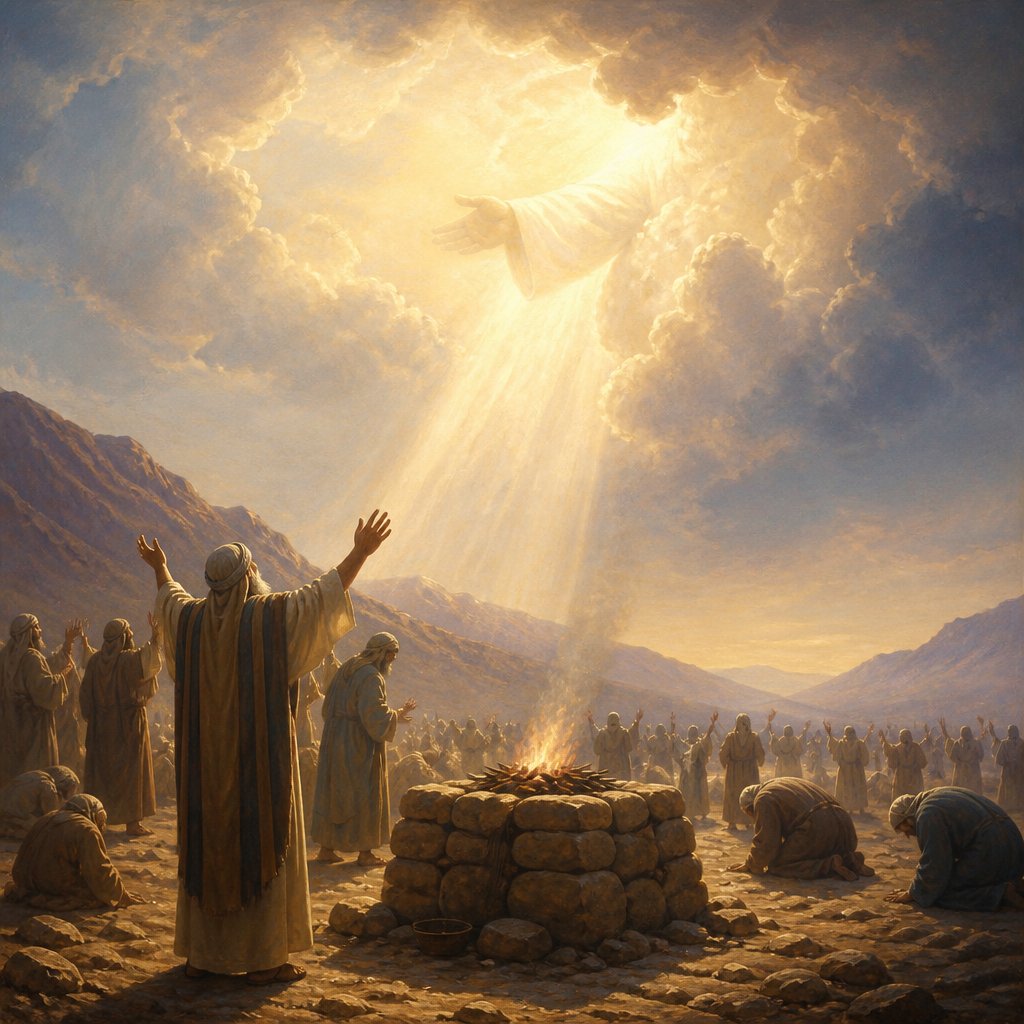
"2 Kings 17:36 (KJV) - But the Lord, who brought you up out of the land of Egypt with great power and a stretched out arm, him shall ye fear, and him shall ye worship, and to him shall ye do sacrifice."
The book of 2 Kings in the Old Testament recounts the history of the kings of Israel and Judah, particularly focusing on their successes and failures in leading their people in obedience or disobedience to God. This particular verse comes from a passage in which the author is describing the ways in which the people of Israel had turned away from God and were practicing the idolatrous worship of other gods. In this verse, the Lord is reminding the people of Israel of their covenant relationship with Him and calling them to repentance.
The verse begins with a reference to the Exodus from Egypt, a foundational event in the history of Israel. It was with great power and an outstretched arm that God delivered the Israelites from slavery in Egypt, demonstrating His sovereignty and authority over all nations and their gods. This serves as a reminder to the Israelites of God's faithfulness and power, as well as their own deliverance from bondage.
The verse then issues a call to the people of Israel to fear, worship, and sacrifice to the Lord. This serves as a reminder of the fundamental need for the Israelites to maintain a reverent and obedient relationship with God. "Fear" in this context encompasses a deep respect and awe for God, acknowledging His holiness and authority. This fear is not based on a sense of dread or terror, but rather on a recognition of God's greatness and worthiness of worship. "Worship" speaks to the Israelites' need to acknowledge God as the one true deity and to give Him the honor and glory due His name. "Sacrifice" speaks to the Israelites' need to offer offerings and sacrifices as a demonstration of their commitment and devotion to God.
In this verse, the themes of loyalty, obedience, and worship are prominent. It highlights the importance of the Israelites' faithfulness to God and the consequences of turning away from Him. The verse serves as a call to repentance and a reminder of the covenant relationship between God and His people.
The broader context of 2 Kings also provides insight into the symbolism and significance of this verse. Throughout the book, the recurring theme of the consequences of disobedience is evident. The Israelites' failure to remain loyal and obedient to God led to their exile and the loss of their land and independence. This verse serves as a warning to the Israelites of the repercussions of forsaking their covenant with God and turning to idolatry.
In a broader theological context, this verse speaks to the nature of God as the one true deity, worthy of reverence, worship, and sacrifice. It emphasizes the exclusivity of God's claim on the loyalty and worship of His people and highlights the incompatibility of idolatry with the true worship of God.
In conclusion, 2 Kings 17:36 (KJV) serves as a powerful reminder to the people of Israel, and to all believers, of the importance of remaining loyal and obedient to God. It underscores the necessity of recognizing and honoring God as the one true deity and the consequences of turning away from Him. This verse serves as a call to repentance and a reiteration of the covenant relationship between God and His people, reminding them of the deliverance from bondage and the requirement to fear, worship, and sacrifice to the Lord. The themes of loyalty, obedience, worship, and the nature of God as the one true deity are all prominently presented in this verse, providing valuable theological insight and a call to faithful devotion to the Lord.
Get our apps


Artwork for 2 Kings 17:36

2 Kings 17:36 - "But the LORD, who brought you up out of the land of Egypt with great power and a stretched out arm, him shall ye fear, and him shall ye worship, and to him shall ye do sacrifice."
"But the LORD, who brought you up out of the land of Egypt with great power and a stretched out arm, him shall ye fear, and him shall ye worship, and to him shall ye do sacrifice." - 2 Kings 17:36

2 kings 9:34-36

2 Kings 15:36 - "¶ Now the rest of the acts of Jotham, and all that he did, are they not written in the book of the chronicles of the kings of Judah?"

2 Kings 19:36 - "So Sennacherib king of Assyria departed, and went and returned, and dwelt at Nineveh."

2 Kings 10:36 - "And the time that Jehu reigned over Israel in Samaria was twenty and eight years."

2 Kings 18:36 - "But the people held their peace, and answered him not a word: for the king's commandment was, saying, Answer him not."

2 Kings 17:2 - "And he did that which was evil in the sight of the LORD, but not as the kings of Israel that were before him."

2 Kings 19:17 - "Of a truth, LORD, the kings of Assyria have destroyed the nations and their lands,"

1 Kings 2:36 - "¶ And the king sent and called for Shimei, and said unto him, Build thee an house in Jerusalem, and dwell there, and go not forth thence any whither."

1 Kings 17:2 - "And the word of the LORD came unto him, saying,"
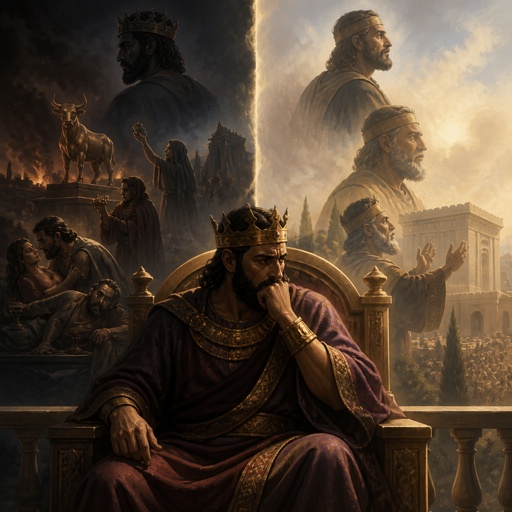
2 Kings 17:2 - "And he did that which was evil in the sight of the LORD, but not as the kings of Israel that were before him."

"¶ Now the rest of the acts of Jotham, and all that he did, are they not written in the book of the chronicles of the kings of Judah?" - 2 Kings 15:36

2 Kings 17:40 - "Howbeit they did not hearken, but they did after their former manner."

"So Sennacherib king of Assyria departed, and went and returned, and dwelt at Nineveh." - 2 Kings 19:36

2 Kings 17:8 - "And walked in the statutes of the heathen, whom the LORD cast out from before the children of Israel, and of the kings of Israel, which they had made."

2 Kings 21:17 - "¶ Now the rest of the acts of Manasseh, and all that he did, and his sin that he sinned, are they not written in the book of the chronicles of the kings of Judah?"

2 Kings 4:36 - "And he called Gehazi, and said, Call this Shunammite. So he called her. And when she was come in unto him, he said, Take up thy son."

2 Kings 23:36 - "¶ Jehoiakim was twenty and five years old when he began to reign; and he reigned eleven years in Jerusalem. And his mother's name was Zebudah, the daughter of Pedaiah of Rumah."

"And the time that Jehu reigned over Israel in Samaria was twenty and eight years." - 2 Kings 10:36

2 Kings 17:17 - "And they caused their sons and their daughters to pass through the fire, and used divination and enchantments, and sold themselves to do evil in the sight of the LORD, to provoke him to anger."

"And he did that which was evil in the sight of the LORD, but not as the kings of Israel that were before him." - 2 Kings 17:2

"Of a truth, LORD, the kings of Assyria have destroyed the nations and their lands," - 2 Kings 19:17

2 Kings 17:19 - "Also Judah kept not the commandments of the LORD their God, but walked in the statutes of Israel which they made."

"But the people held their peace, and answered him not a word: for the king's commandment was, saying, Answer him not." - 2 Kings 18:36

2 Kings 17:5 - "¶ Then the king of Assyria came up throughout all the land, and went up to Samaria, and besieged it three years."

2 Kings 24:17 - "¶ And the king of Babylon made Mattaniah his father's brother king in his stead, and changed his name to Zedekiah."

2 Chronicles 36:8 - "Now the rest of the acts of Jehoiakim, and his abominations which he did, and that which was found in him, behold, they are written in the book of the kings of Israel and Judah: and Jehoiachin his son reigned in his stead."

2 Kings 17:22 - "For the children of Israel walked in all the sins of Jeroboam which he did; they departed not from them;"

2 Kings 17:12 - "For they served idols, whereof the LORD had said unto them, Ye shall not do this thing."