What does 2 Kings 20:14 mean?
“Then came Isaiah the prophet unto king Hezekiah, and said unto him, What said these men? and from whence came they unto thee? And Hezekiah said, They are come from a far country, even from Babylon.” — 2 Kings 20:14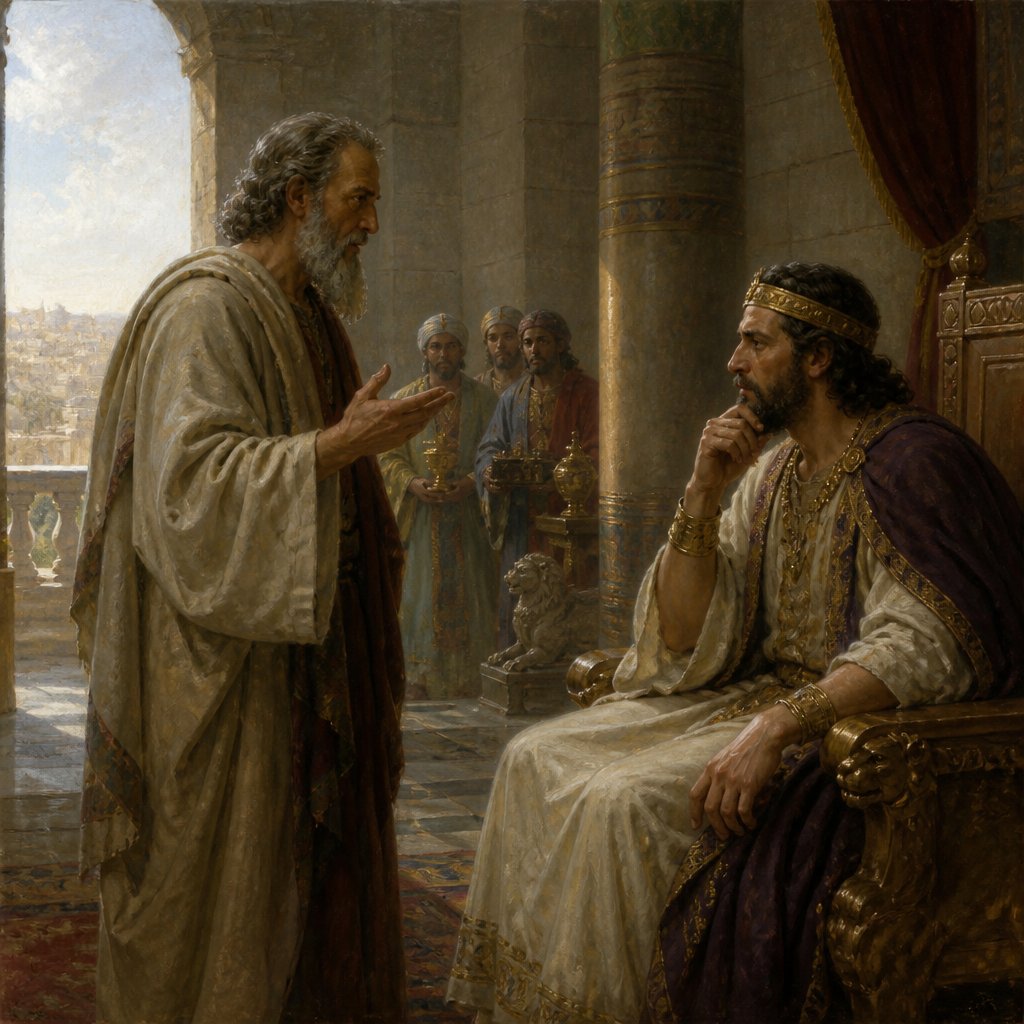
2 Kings 20:14 (KJV): "Then came Isaiah the prophet unto king Hezekiah, and said unto him, What said these men? and from whence came they unto thee? And Hezekiah said, They are come from a far country, even from Babylon."
This verse from the book of 2 Kings provides a significant insight into the leadership and decision-making of King Hezekiah of Judah. The context of this verse is essential to understanding its meaning. In the preceding verses, Hezekiah fell ill and was at the point of death. However, through fervent prayers and faith, God granted him a miraculous healing and prolonged his life for 15 more years. It is during this time of convalescence that envoys from the distant country of Babylon visit Hezekiah to congratulate him on his recovery.
The arrival of the Babylonian envoys in this context carries a deeper significance. Babylon, at the time, was a rising power in the ancient Near East and would eventually become a significant threat to the kingdom of Judah. The visit of these envoys was not merely a diplomatic gesture but also a way for Babylon to assess Judah's strength and vulnerabilities. The subsequent verses in 2 Kings reveal that Hezekiah, in his pride, showed the Babylonian envoys all the wealth and treasures of his kingdom, a decision that would have dire consequences for Judah in the future.
The role of the prophet Isaiah in this verse is crucial. Isaiah, an influential figure in Judah, was known for his unwavering dedication to God and his prophecies regarding the future of Judah and other nations. When Isaiah questions Hezekiah about the Babylonian envoys, it is a warning to the king about the potential dangers of aligning with a foreign power, especially one that would become an adversary to Judah in the future. Isaiah's counsel serves as a reminder of the importance of seeking God's guidance and wisdom in matters of diplomacy and governance.
The themes present in this verse are manifold. One of the primary themes is the nature of leadership and its impact on the fate of a nation. Hezekiah, though known for his initial reforms and faithfulness to God, also exhibits a fatal flaw in his pride and lack of foresight. The verse serves as a cautionary tale about the dangers of hubris and shortsightedness in leadership.
Another theme that emerges from this verse is the idea of divine warning and intervention. Isaiah's questioning of Hezekiah can be seen as a manifestation of God's guidance and intervention in the affairs of the kingdom of Judah. It underscores the belief that God is actively involved in the destinies of nations and individuals, and that he communicates his will through appointed prophets and messengers.
The symbolism in this verse is also significant. The envoys from Babylon can be interpreted as representatives of worldly power and temptation. Their visit serves as a test for Hezekiah, and his response becomes a symbol of his leadership and faithfulness to God. The treasures and wealth that Hezekiah shows to the envoys represent the allure of materialism and the potential for corruption in leadership.
In conclusion, 2 Kings 20:14 from the King James Version offers a rich and layered commentary on the nature of leadership, divine intervention, and the consequences of pride and shortsightedness. It provides valuable lessons for leaders and individuals about the importance of seeking wisdom and guidance from God, and the perils of succumbing to worldly temptations. This verse serves as a timeless reminder of the enduring relevance of the biblical narrative and its relevance to contemporary issues of governance and morality.
Get our apps


Artwork for 2 Kings 20:14

2 Kings 20:14 - "¶ Then came Isaiah the prophet unto king Hezekiah, and said unto him, What said these men? and from whence came they unto thee? And Hezekiah said, They are come from a far country, even from Babylon."
"¶ Then came Isaiah the prophet unto king Hezekiah, and said unto him, What said these men? and from whence came they unto thee? And Hezekiah said, They are come from a far country, even from Babylon." - 2 Kings 20:14

2 Kings 14:20 - "And they brought him on horses: and he was buried at Jerusalem with his fathers in the city of David."

1 Kings 14:1-20

"And they brought him on horses: and he was buried at Jerusalem with his fathers in the city of David." - 2 Kings 14:20

2 Kings 20:20 - "¶ And the rest of the acts of Hezekiah, and all his might, and how he made a pool, and a conduit, and brought water into the city, are they not written in the book of the chronicles of the kings of Judah?"

2 Kings 14:18 - "And the rest of the acts of Amaziah, are they not written in the book of the chronicles of the kings of Judah?"

2 Kings 20:2 - "Then he turned his face to the wall, and prayed unto the LORD, saying,"

2 Kings 2:20 - "And he said, Bring me a new cruse, and put salt therein. And they brought it to him."

1 Kings 20:14 - "And Ahab said, By whom? And he said, Thus saith the LORD, Even by the young men of the princes of the provinces. Then he said, Who shall order the battle? And he answered, Thou."

2 Kings 20:16 - "And Isaiah said unto Hezekiah, Hear the word of the LORD."

2 Kings 10:20 - "And Jehu said, Proclaim a solemn assembly for Baal. And they proclaimed it."

2 Kings 14:29 - "And Jeroboam slept with his fathers, even with the kings of Israel; and Zachariah his son reigned in his stead."

2 Kings 25:20 - "And Nebuzar-adan captain of the guard took these, and brought them to the king of Babylon to Riblah:"

2 Kings 12:14 - "But they gave that to the workmen, and repaired therewith the house of the LORD."

2 Kings 14:16 - "And Jehoash slept with his fathers, and was buried in Samaria with the kings of Israel; and Jeroboam his son reigned in his stead."

1 Kings 14:20 - "And the days which Jeroboam reigned were two and twenty years: and he slept with his fathers, and Nadab his son reigned in his stead."

2 Kings 14:14 - "And he took all the gold and silver, and all the vessels that were found in the house of the LORD, and in the treasures of the king's house, and hostages, and returned to Samaria."

2 Kings 20:21 - "And Hezekiah slept with his fathers: and Manasseh his son reigned in his stead."

2 Kings 21:20 - "And he did that which was evil in the sight of the LORD, as his father Manasseh did."

2 Kings 13:20 - "¶ And Elisha died, and they buried him. And the bands of the Moabites invaded the land at the coming in of the year."

2 Kings 20:7 - "And Isaiah said, Take a lump of figs. And they took and laid it on the boil, and he recovered."

2 Kings 11:20 - "And all the people of the land rejoiced, and the city was in quiet: and they slew Athaliah with the sword beside the king's house."

2 Kings 8:20 - "¶ In his days Edom revolted from under the hand of Judah, and made a king over themselves."

2 Kings 14:22 - "He built Elath, and restored it to Judah, after that the king slept with his fathers."

2 Kings 14:12 - "And Judah was put to the worse before Israel; and they fled every man to their tents."
2 Kings 14:15 - "¶ Now the rest of the acts of Jehoash which he did, and his might, and how he fought with Amaziah king of Judah, are they not written in the book of the chronicles of the kings of Israel?"

2 Kings 7:20 - "And so it fell out unto him: for the people trode upon him in the gate, and he died."

1 Kings 20:2 - "And he sent messengers to Ahab king of Israel into the city, and said unto him, Thus saith Ben-hadad,"

"And the rest of the acts of Amaziah, are they not written in the book of the chronicles of the kings of Judah?" - 2 Kings 14:18