What does 2 Kings 3:1 mean?
“Now Jehoram the son of Ahab began to reign over Israel in Samaria the eighteenth year of Jehoshaphat king of Judah, and reigned twelve years.” — 2 Kings 3:1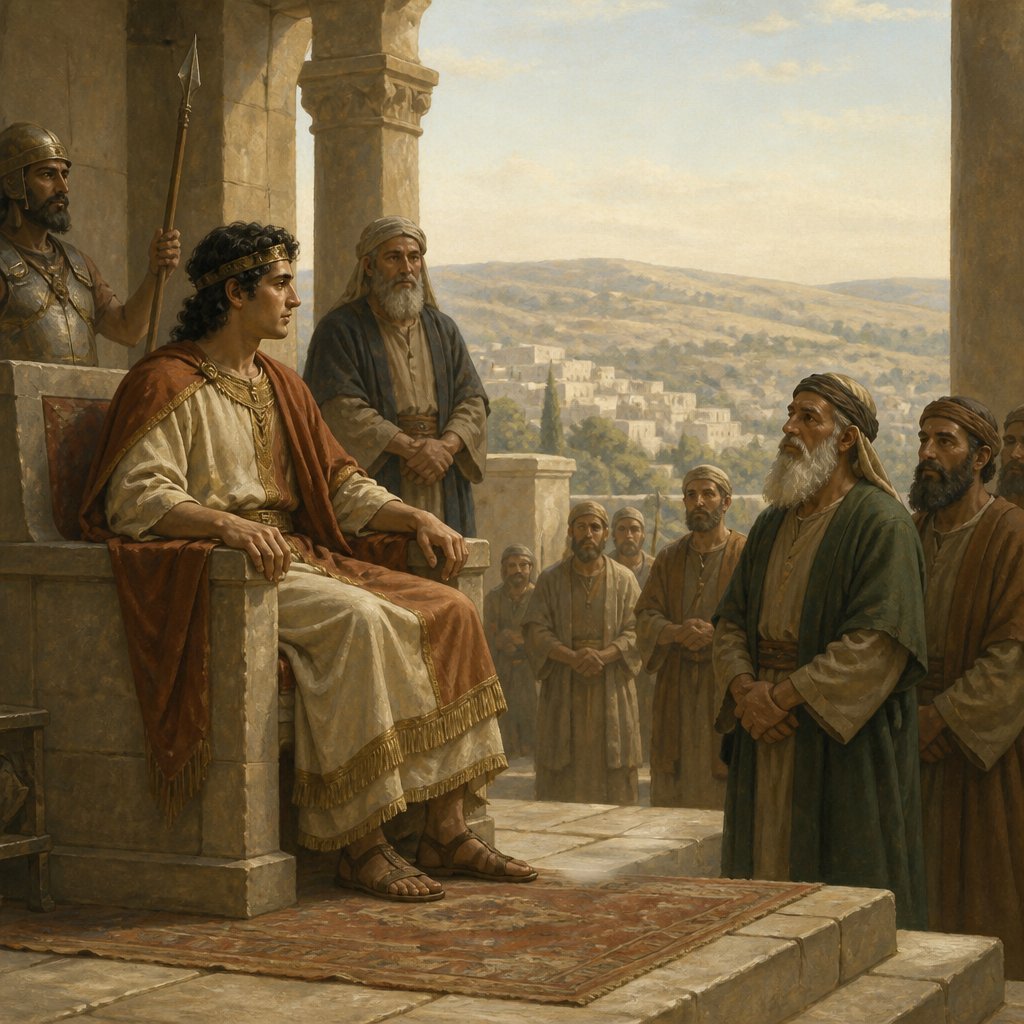
The Bible verse 2 Kings 3:1 in the King James Version (KJV) states, "Now Jehoram the son of Ahab began to reign over Israel in Samaria the eighteenth year of Jehoshaphat king of Judah, and reigned twelve years." This verse comes from the book of 2 Kings, which is a historical account of the kings of Israel and Judah.
In order to fully understand the meaning and context of this verse, it is important to provide some background information. Jehoram, also known as Joram, was the son of Ahab, who was one of the most wicked kings in the history of Israel. Ahab was married to Jezebel, who led the nation into idolatry and moral decay. After Ahab's death, his son Jehoram ascended to the throne and continued the sinful ways of his father and mother.
The verse specifies that Jehoram began to reign over Israel in Samaria in the 18th year of Jehoshaphat king of Judah. Jehoshaphat was known as a righteous king who sought the Lord and walked in His ways. However, despite this, Jehoram followed in the footsteps of his father and continued to lead the people of Israel into sin and idolatry.
One of the key themes in this verse is the reign of wickedness. Jehoram's rule was characterized by immorality, idolatry, and rebellion against God. His actions and decisions led the nation of Israel into further spiritual decline and away from the ways of the Lord. This serves as a cautionary tale about the destructive consequences of sinful leadership and the impact it can have on a nation.
Another important theme in this verse is the contrast between righteous and wicked leadership. While Jehoshaphat, the king of Judah, sought to honor and obey God, Jehoram, the king of Israel, pursued ungodliness and led his people astray. This dichotomy serves as a reminder of the importance of godly leadership and the influence it can have on a nation's spiritual well-being.
The verse also highlights the passing of time and the succession of kings. It marks a transition in leadership and the continuation of a legacy of sin and disobedience. This illustrates the cyclical nature of history and the consequences of unrepentant sin. It also emphasizes the need for accountability and the impact that leadership decisions can have on future generations.
Symbolism can also be found in this verse. Samaria, the capital of the northern kingdom of Israel, symbolizes the seat of rebellion and idolatry. The city became synonymous with spiritual corruption and defiance against God. Jehoram's reign in Samaria represents the pervasiveness of sin and the systematic breakdown of moral values within the nation.
In conclusion, 2 Kings 3:1 in the KJV shines a light on the reign of Jehoram and the destructive impact of his leadership on the nation of Israel. It serves as a cautionary tale about the consequences of ungodly rule and the importance of righteous leadership. This verse also emphasizes the passing of time and the cyclical nature of history, as well as the symbolism of Samaria as a center of rebellion and idolatry. Ultimately, it calls for a reflection on the choices we make as leaders and the lasting impact they can have on future generations.
Get our apps


Artwork for 2 Kings 3:1

2 Kings 3:1 - "Now Jehoram the son of Ahab began to reign over Israel in Samaria the eighteenth year of Jehoshaphat king of Judah, and reigned twelve years."
"Now Jehoram the son of Ahab began to reign over Israel in Samaria the eighteenth year of Jehoshaphat king of Judah, and reigned twelve years." - 2 Kings 3:1

2 Kings 3:15

2 Kings 3:15

2 Kings 3:15

2 Kings 3:16-19

1 Kings 3:2 - "Only the people sacrificed in high places, because there was no house built unto the name of the LORD, until those days."

1 kings 3:15

1 Kings 3:9

2 Kings 3:10 - "And the king of Israel said, Alas! that the LORD hath called these three kings together, to deliver them into the hand of Moab!"

1 kings 3:15

1 kings 3:12

2 Kings 3:23 - "And they said, This is blood: the kings are surely slain, and they have smitten one another: now therefore, Moab, to the spoil."

2 Kings 3:6 - "¶ And king Jehoram went out of Samaria the same time, and numbered all Israel."

2 Kings 1:3 - "But the angel of the LORD said to Elijah the Tishbite, Arise, go up to meet the messengers of the king of Samaria, and say unto them, Is it not because there is not a God in Israel, that ye go to enquire of Baal-zebub the god of Ekron?"

2 Kings 19:2

2 Kings 19:2

2 Kings 3:16 - "And he said, Thus saith the LORD, Make this valley full of ditches."

2 Kings 19:2

2 Kings 3:3 - "Nevertheless he cleaved unto the sins of Jeroboam the son of Nebat, which made Israel to sin; he departed not therefrom."

2 Kings 3:5 - "But it came to pass, when Ahab was dead, that the king of Moab rebelled against the king of Israel."

1 Kings 3:24 - "And the king said, Bring me a sword. And they brought a sword before the king."

1 Kings 3:19 - "And this woman's child died in the night; because she overlaid it."

1 Kings 3:10 - "And the speech pleased the Lord, that Solomon had asked this thing."

1 Kings 1:3 - "So they sought for a fair damsel throughout all the coasts of Israel, and found Abishag a Shunammite, and brought her to the king."

1 Kings 3:3 - "And Solomon loved the LORD, walking in the statutes of David his father: only he sacrificed and burnt incense in high places."

2 Kings 3:18 - "And this is but a light thing in the sight of the LORD: he will deliver the Moabites also into your hand."

2 Kings 25:3 - "And on the ninth day of the fourth month the famine prevailed in the city, and there was no bread for the people of the land."

1 Kings 8:3 - "And all the elders of Israel came, and the priests took up the ark."

1 Kings 3:16 - "¶ Then came there two women, that were harlots, unto the king, and stood before him."