What does 2 Kings 4:1 mean?
“Now there cried a certain woman of the wives of the sons of the prophets unto Elisha, saying, Thy servant my husband is dead; and thou knowest that thy servant did fear the LORD: and the creditor is come to take unto him my two sons to be bondmen.” — 2 Kings 4:1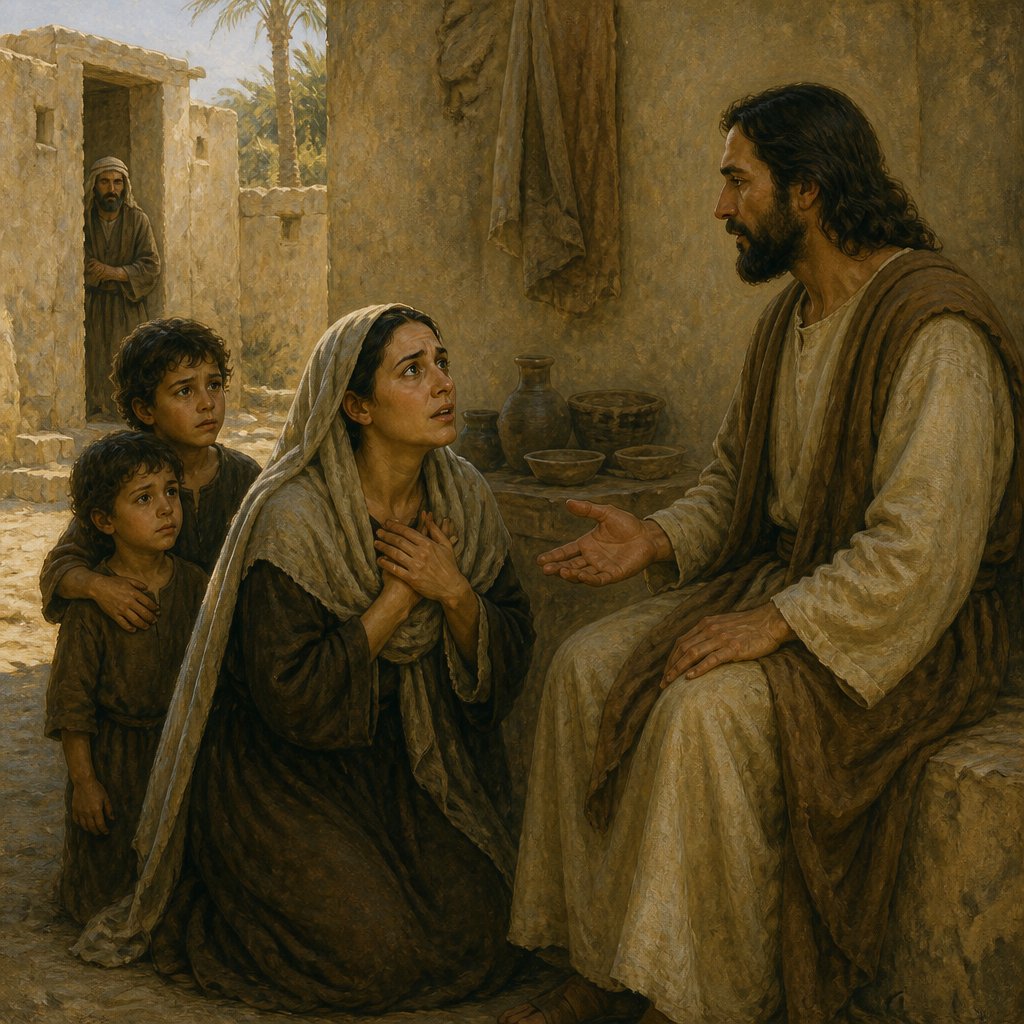
The Bible verse 2 Kings 4:1 from the King James Version (KJV) states:
"Now there cried a certain woman of the wives of the sons of the prophets unto Elisha, saying, Thy servant my husband is dead; and thou knowest that thy servant did fear the Lord: and the creditor is come to take unto him my two sons to be bondmen."
This passage is from the book of 2 Kings, in the Old Testament, and it tells the story of a widow who is in a dire situation. Her situation is dire because her husband, a servant of the Lord, has passed away and the creditor has come to take her two sons to be bondmen, or slaves, in order to pay off the debts that her husband left behind. This woman's desperation leads her to seek out Elisha, the prophet, for help.
The themes of this passage are those of tragedy, resilience, and faith. The widow is facing an incredibly difficult situation, yet she remains steadfast in her faith and seeks help from Elisha, whom she believes can provide her with a solution. Her actions demonstrate resilience and determination in the face of adversity.
The context of this passage is important in understanding the significance of the widow's plight. During the time when this story takes place, women did not have the same legal and social rights as men. Widows, in particular, were often vulnerable and faced significant challenges, especially if they had children to care for. In this cultural and historical context, the widow's situation is particularly dire. She is not only mourning the loss of her husband but also facing the possibility of losing her sons to slavery.
The symbolism in this passage is significant as well. The widow's plight can be seen as a symbol of the struggles and hardships that many people face in life. Her cry for help represents the cries of the marginalized and oppressed, seeking relief from their suffering. The creditor's demand for her sons as payment for her husband's debts symbolizes the oppressive forces that seek to take advantage of those who are already vulnerable.
Elisha's role in this narrative is also symbolic. As a prophet of the Lord, he represents the possibility of divine intervention and salvation. The widow's decision to seek Elisha's help reflects her belief in the power of God to provide solutions to her seemingly insurmountable problems.
Upon hearing the widow's plea, Elisha goes on to perform a miracle by providing her with a solution to her financial troubles. This solution involves using the limited resources that she has, specifically a jar of oil, to produce enough oil to pay off her debts and secure her sons' future. This miracle serves as a symbol of God's provision and care for those in need.
In conclusion, the passage 2 Kings 4:1 from the King James Version of the Bible provides a powerful depiction of the widow's desperate situation and her unwavering faith in seeking help from Elisha. The themes of tragedy, resilience, and faith, along with the cultural and historical context and symbolism, contribute to the rich and meaningful message of this passage. It serves as a reminder of the potential for divine intervention in times of hardship and the importance of maintaining faith in the face of adversity.
Get our apps


Artwork for 2 Kings 4:1

2 Kings 4:1 - "Now there cried a certain woman of the wives of the sons of the prophets unto Elisha, saying, Thy servant my husband is dead; and thou knowest that thy servant did fear the LORD: and the creditor is come to take unto him my two sons to be bondmen."
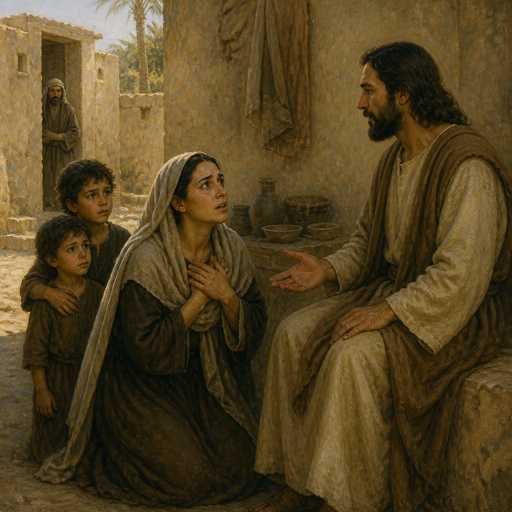
"Now there cried a certain woman of the wives of the sons of the prophets unto Elisha, saying, Thy servant my husband is dead; and thou knowest that thy servant did fear the LORD: and the creditor is come to take unto him my two sons to be bondmen." - 2 Kings 4:1

1 Kings 4:1 - "So king Solomon was king over all Israel."

1 Kings 4:2 - "And these were the princes which he had; Azariah the son of Zadok the priest,"

"So king Solomon was king over all Israel." - 1 Kings 4:1

2 Kings 4:4-5

2 Kings 1:4 - "Now therefore thus saith the LORD, Thou shalt not come down from that bed on which thou art gone up, but shalt surely die. And Elijah departed."
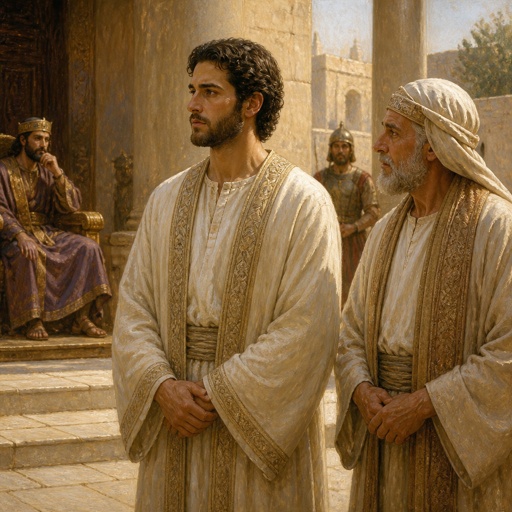
"And these were the princes which he had; Azariah the son of Zadok the priest," - 1 Kings 4:2

1 Kings 4:4 - "And Benaiah the son of Jehoiada was over the host: and Zadok and Abiathar were the priests:"

1 Kings 1:4 - "And the damsel was very fair, and cherished the king, and ministered to him: but the king knew her not."

2 Kings 10:4 - "But they were exceedingly afraid, and said, Behold, two kings stood not before him: how then shall we stand?"

1 Kings 4:18 - "Shimei the son of Elah, in Benjamin:"

2 Kings 19:2

2 Kings 19:2

1 Kings 4:17 - "Jehoshaphat the son of Paruah, in Issachar:"

2 Kings 19:2

1 Kings 4:8 - "And these are their names: The son of Hur, in mount Ephraim:"

1 Kings 4:14 - "Ahinadab the son of Iddo had Mahanaim:"

1 Kings 4:16 - "Baanah the son of Hushai was in Asher and in Aloth:"

1 Kings 6:4 - "And for the house he made windows of narrow lights."

1 Kings 4:34 - "And there came of all people to hear the wisdom of Solomon, from all kings of the earth, which had heard of his wisdom."

2 Kings 4:11 - "And it fell on a day, that he came thither, and he turned into the chamber, and lay there."

2 Kings 9:4 - "¶ So the young man, even the young man the prophet, went to Ramoth-gilead."

2 Kings 6:4 - "So he went with them. And when they came to Jordan, they cut down wood."

1 Kings 4:6 - "And Ahishar was over the household: and Adoniram the son of Abda was over the tribute."

2 Kings 4:15 - "And he said, Call her. And when he had called her, she stood in the door."

2 Kings 16:4 - "And he sacrificed and burnt incense in the high places, and on the hills, and under every green tree."

2 Kings 4:33 - "He went in therefore, and shut the door upon them twain, and prayed unto the LORD."

1 Kings 4:15 - "Ahimaaz was in Naphtali; he also took Basmath the daughter of Solomon to wife:"

1 Kings 4:10 - "The son of Hesed, in Aruboth; to him pertained Sochoh, and all the land of Hepher:"