What does 2 Kings 4:12 mean?
“And he said to Gehazi his servant, Call this Shunammite. And when he had called her, she stood before him.” — 2 Kings 4:12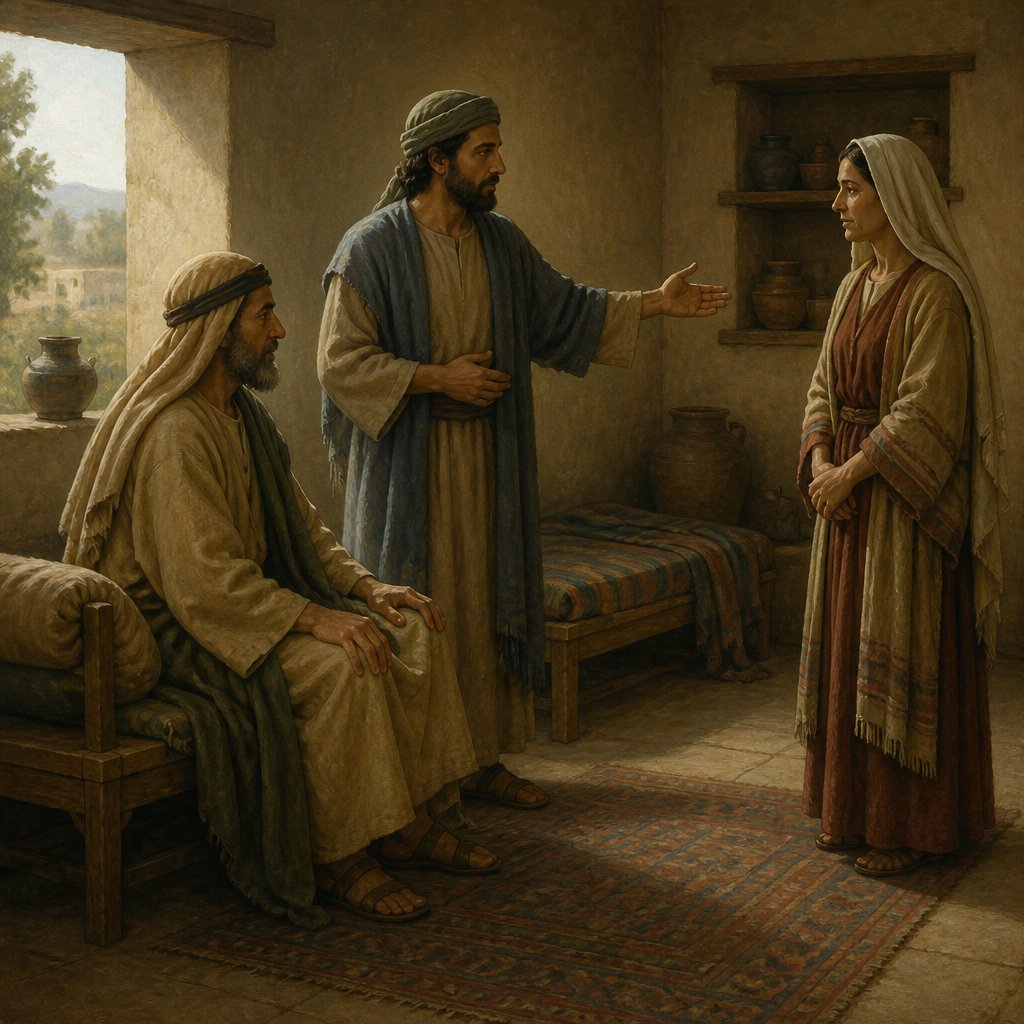
2 Kings 4:12 (KJV) - And he said to Gehazi his servant, Call this Shunammite. And when he had called her, she stood before him.
2 Kings 4:12 is a verse taken from the Old Testament of the Bible. It is part of the story of the Shunammite woman and the prophet Elisha. This verse comes after Elisha had already performed a miracle for the Shunammite woman and her husband, as he promised them a son when they provided him with a place to stay during his travels. The verse highlights the authority and power of Elisha as a prophet of God, as he instructs his servant Gehazi to call the Shunammite woman to him.
The Shunammite woman is a significant figure in this portion of the Bible. She is known for her hospitality and kindness towards Elisha, which ultimately led to the blessing of a son. This verse demonstrates a continuation of the relationship between Elisha and the Shunammite woman. It also shows Elisha's compassion and care for the woman, as he calls her to speak with her personally.
In the broader context of the Book of 2 Kings, this verse is a part of the historical narrative of the prophets Elijah and Elisha. It provides insight into the lives and ministries of these powerful prophets, as well as the impact they had on the people of Israel during their time. Elisha, in particular, is known for performing many miracles and acts of God's power, and this verse is just one example of his God-given authority.
The themes present in 2 Kings 4:12 include faith, obedience, and the power of God through his chosen servants. The Shunammite woman's faith and hospitality towards Elisha resulted in the blessing of a son, demonstrating the importance of kindness and generosity towards others. Additionally, Elisha's authority as a prophet and his obedience to God's commands are evident in his interaction with the Shunammite woman. The verse serves as a reminder of the importance of following God's guidance and trusting in his provision.
Symbolically, this verse can be seen as a representation of the communication between God and his people. Elisha's call for the Shunammite woman reflects God's desire to have a personal relationship with his followers. It also represents the idea of being summoned to God's presence and being open to his will. The Shunammite woman's response to Elisha's call is an example of obedience and attentiveness to the voice of God, as she stands before the prophet ready to hear his words.
Overall, 2 Kings 4:12 is a significant verse within the larger narrative of the Bible. It provides insights into the lives of influential biblical figures and offers valuable lessons on faith, obedience, and the power of God. Through its themes and symbolism, this verse continues to resonate with believers today, reminding them of God's faithfulness and the importance of following his guidance.
Get our apps


Artwork for 2 Kings 4:12
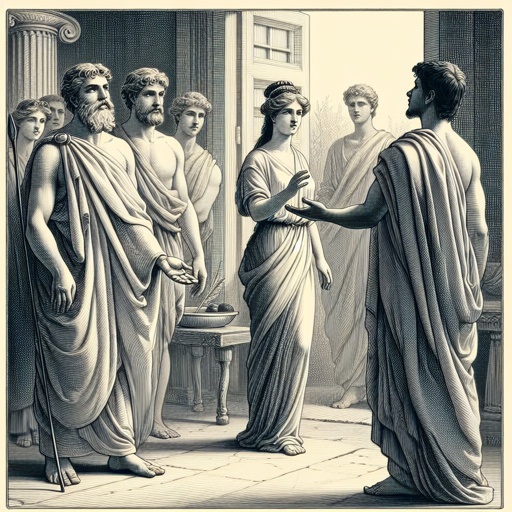
2 Kings 4:12 - "And he said to Gehazi his servant, Call this Shunammite. And when he had called her, she stood before him."
"And he said to Gehazi his servant, Call this Shunammite. And when he had called her, she stood before him." - 2 Kings 4:12

2 Kings 4:4-5

2 Kings 12:19 - "¶ And the rest of the acts of Joash, and all that he did, are they not written in the book of the chronicles of the kings of Judah?"

2 Kings 12:4 - "¶ And Jehoash said to the priests, All the money of the dedicated things that is brought into the house of the LORD, even the money of every one that passeth the account, the money that every man is set at, and all the money that cometh into any man's heart to bring into the house of the LORD,"

2 Corinthians 12:2-4 – Paul’s vision of the third heaven.

2 Kings 12:14 - "But they gave that to the workmen, and repaired therewith the house of the LORD."

2 Kings 25:12 - "But the captain of the guard left of the poor of the land to be vinedressers and husbandmen."

2 Kings 12:16 - "The trespass money and sin money was not brought into the house of the LORD: it was the priests'."

2 Kings 12:12 - "And to masons, and hewers of stone, and to buy timber and hewed stone to repair the breaches of the house of the LORD, and for all that was laid out for the house to repair it."

Lamentations 4:12 - "The kings of the earth, and all the inhabitants of the world, would not have believed that the adversary and the enemy should have entered into the gates of Jerusalem."

2 Kings 10:4 - "But they were exceedingly afraid, and said, Behold, two kings stood not before him: how then shall we stand?"

2 Kings 12:2 - "And Jehoash did that which was right in the sight of the LORD all his days wherein Jehoiada the priest instructed him."

2 Kings 10:12 - "¶ And he arose and departed, and came to Samaria. And as he was at the shearing house in the way,"

2 Kings 13:12 - "And the rest of the acts of Joash, and all that he did, and his might wherewith he fought against Amaziah king of Judah, are they not written in the book of the chronicles of the kings of Israel?"

2 Kings 14:12 - "And Judah was put to the worse before Israel; and they fled every man to their tents."

2 Kings 12:6 - "But it was so, that in the three and twentieth year of king Jehoash the priests had not repaired the breaches of the house."

2 Timothy 4:12 - "And Tychicus have I sent to Ephesus."

2 Kings 12:8 - "And the priests consented to receive no more money of the people, neither to repair the breaches of the house."

1 Kings 4:12 - "Baana the son of Ahilud; to him pertained Taanach and Megiddo, and all Beth-shean, which is by Zartanah beneath Jezreel, from Beth-shean to Abel-meholah, even unto the place that is beyond Jokneam:"

2 Kings 16:12 - "And when the king was come from Damascus, the king saw the altar: and the king approached to the altar, and offered thereon."

1 Kings 2:12 - "¶ Then sat Solomon upon the throne of David his father; and his kingdom was established greatly."

2 Kings 12:15 - "Moreover they reckoned not with the men, into whose hand they delivered the money to be bestowed on workmen: for they dealt faithfully."

2 Corinthians 4:12 - "So then death worketh in us, but life in you."

2 kings 2:12 in which elisha is kneeling down while receiving brown old cloak

2 Kings 3:12 - "And Jehoshaphat said, The word of the LORD is with him. So the king of Israel and Jehoshaphat and the king of Edom went down to him."

2 Kings 4:11 - "And it fell on a day, that he came thither, and he turned into the chamber, and lay there."

2 Kings 12:3 - "But the high places were not taken away: the people still sacrificed and burnt incense in the high places."

2 Kings 17:12 - "For they served idols, whereof the LORD had said unto them, Ye shall not do this thing."

1 Kings 4:2 - "And these were the princes which he had; Azariah the son of Zadok the priest,"