What does 2 Kings 4:13 mean?
“And he said unto him, Say now unto her, Behold, thou hast been careful for us with all this care; what is to be done for thee? wouldest thou be spoken for to the king, or to the captain of the host? And she answered, I dwell among mine own people.” — 2 Kings 4:13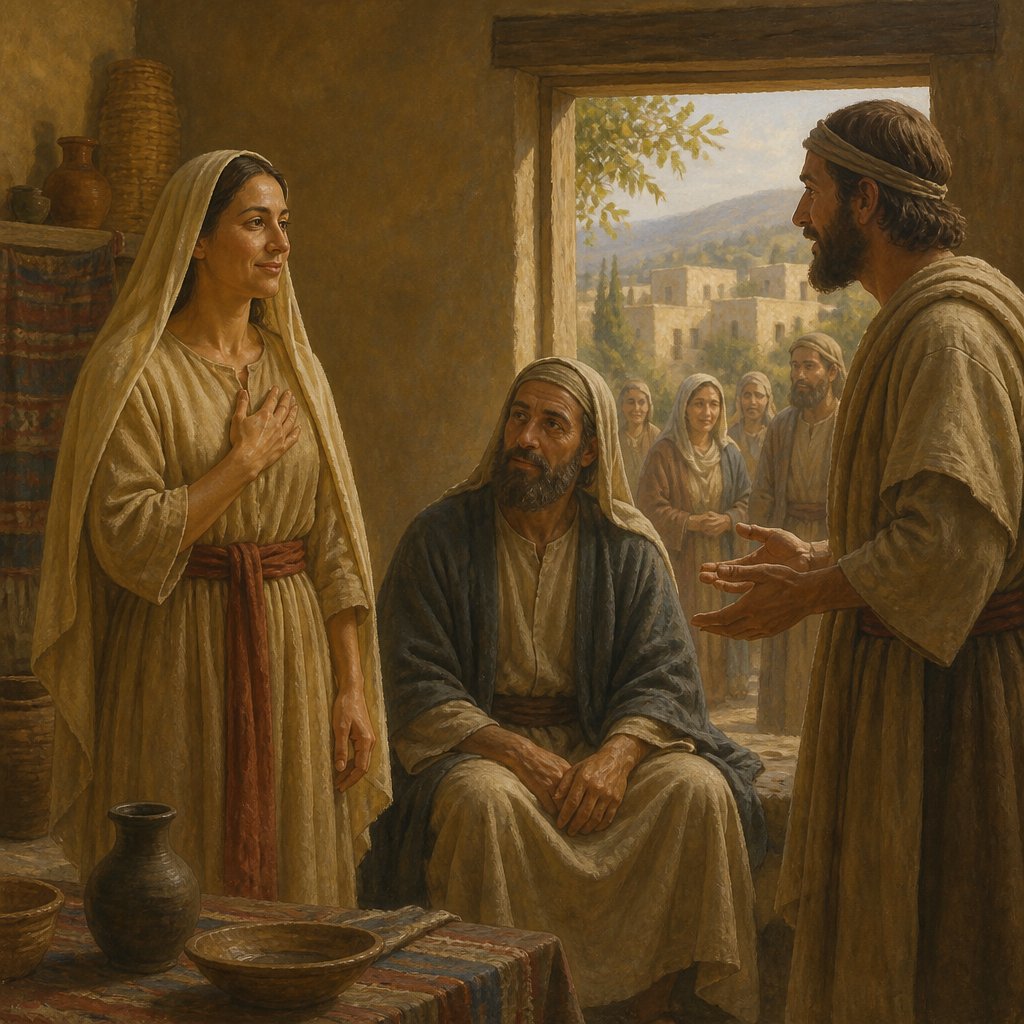
The Bible verse 2 Kings 4:13 from the King James Version reads: "And he said unto him, Say now unto her, Behold, thou hast been careful for us with all this care; what is to be done for thee? wouldest thou be spoken for to the king, or to the captain of the host? And she answered, I dwell among mine own people."
This verse comes from the Old Testament book of 2 Kings, which chronicles the history of the kings of Israel and Judah. In this verse, the prophet Elisha is speaking to his servant Gehazi, discussing a woman who had shown kindness and hospitality to them.
The context of this verse is important in understanding its meaning. The woman in question is identified earlier in the chapter as a wealthy Shunammite woman who had extended generous hospitality to Elisha, providing him with a place to stay whenever he passed through her city. She had even gone so far as to have a separate room built onto her house for Elisha to stay in, showing great care and respect for the prophet.
When Elisha asks Gehazi what can be done to repay this woman for her kindness, he suggests speaking on her behalf to the king or the commander of the army. This was a significant offer, as it would have been a great honor and privilege for the woman to have a prophet of God intercede for her with such influential figures. However, her response is telling - she humbly declines the offer, stating that she is content to dwell among her own people.
This verse reflects several important themes found throughout the Bible. First and foremost, it speaks to the importance of hospitality and caring for others. The Shunammite woman's actions demonstrate the biblical principle of showing kindness to strangers and those in need. In the New Testament, Jesus Himself emphasized the importance of hospitality, teaching his disciples to welcome and care for others as if they were caring for Him (Matthew 25:35-40).
Additionally, the woman's humility and contentment are noteworthy. Despite being offered the opportunity to have powerful figures intervene on her behalf, she chooses to remain with her own people, content with her life and the blessings she already has. This reflects the biblical theme of finding contentment and satisfaction in God and the blessings already given, rather than seeking after worldly power or influence (1 Timothy 6:6, Philippians 4:11-12).
Furthermore, the symbolism in this verse is significant. The interactions between Elisha, Gehazi, and the Shunammite woman can be seen as symbolic of the relationship between God, His prophets, and His people. Elisha can be seen as a representative of God, bringing blessings and favor to those who show kindness and hospitality. The Shunammite woman represents faithful believers who respond to God's grace and love by extending kindness and hospitality to His servants.
In conclusion, 2 Kings 4:13 offers a profound lesson in the importance of hospitality, humility, and contentment. It serves as a reminder to show care and kindness to others, to find contentment in God and His blessings, and to humbly serve and care for those in need. This verse points to the deeper themes and principles found throughout the Bible, providing valuable insight and guidance for the Christian life.
Get our apps


Artwork for 2 Kings 4:13

2 Kings 4:13 - "And he said unto him, Say now unto her, Behold, thou hast been careful for us with all this care; what is to be done for thee? wouldest thou be spoken for to the king, or to the captain of the host? And she answered, I dwell among mine own people."
"And he said unto him, Say now unto her, Behold, thou hast been careful for us with all this care; what is to be done for thee? wouldest thou be spoken for to the king, or to the captain of the host? And she answered, I dwell among mine own people." - 2 Kings 4:13

2 Kings 13:4 - "And Jehoahaz besought the LORD, and the LORD hearkened unto him: for he saw the oppression of Israel, because the king of Syria oppressed them."

2 Kings 13:13 - "And Joash slept with his fathers; and Jeroboam sat upon his throne: and Joash was buried in Samaria with the kings of Israel."

2 Kings 4:4-5

2 Kings 13:22 - "¶ But Hazael king of Syria oppressed Israel all the days of Jehoahaz."

2 Kings 13:8 - "¶ Now the rest of the acts of Jehoahaz, and all that he did, and his might, are they not written in the book of the chronicles of the kings of Israel?"

2 Kings 19:13 - "Where is the king of Hamath, and the king of Arpad, and the king of the city of Sepharvaim, of Hena, and Ivah?"

2 Kings 2:13 - "He took up also the mantle of Elijah that fell from him, and went back, and stood by the bank of Jordan;"

2 Kings 13:12 - "And the rest of the acts of Joash, and all that he did, and his might wherewith he fought against Amaziah king of Judah, are they not written in the book of the chronicles of the kings of Israel?"

2 Kings 10:4 - "But they were exceedingly afraid, and said, Behold, two kings stood not before him: how then shall we stand?"
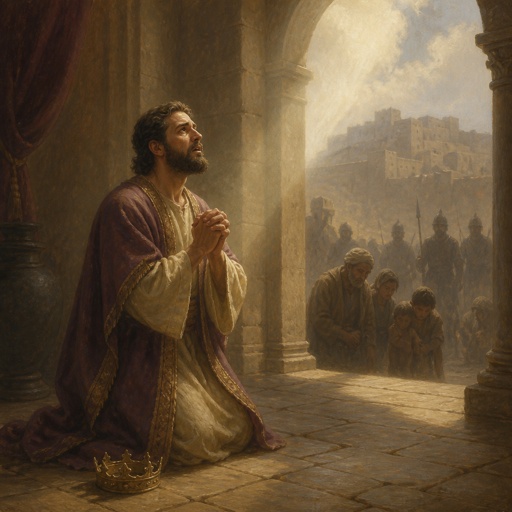
"And Jehoahaz besought the LORD, and the LORD hearkened unto him: for he saw the oppression of Israel, because the king of Syria oppressed them." - 2 Kings 13:4

2 Kings 13:20 - "¶ And Elisha died, and they buried him. And the bands of the Moabites invaded the land at the coming in of the year."

2 Kings 13:24 - "So Hazael king of Syria died; and Ben-hadad his son reigned in his stead."

"And Joash slept with his fathers; and Jeroboam sat upon his throne: and Joash was buried in Samaria with the kings of Israel." - 2 Kings 13:13

Ezra 4:13 - "Be it known now unto the king, that, if this city be builded, and the walls set up again, then will they not pay toll, tribute, and custom, and so thou shalt endamage the revenue of the kings."

2 Kings 11:13 - "¶ And when Athaliah heard the noise of the guard and of the people, she came to the people into the temple of the LORD."

Joel 1:2-4, 13-20

2 Kings 13:2 - "And he did that which was evil in the sight of the LORD, and followed the sins of Jeroboam the son of Nebat, which made Israel to sin; he departed not therefrom."

2 Kings 4:11 - "And it fell on a day, that he came thither, and he turned into the chamber, and lay there."

1 Kings 4:2 - "And these were the princes which he had; Azariah the son of Zadok the priest,"

2 Kings 13:9 - "And Jehoahaz slept with his fathers; and they buried him in Samaria: and Joash his son reigned in his stead."

2 Kings 13:15 - "And Elisha said unto him, Take bow and arrows. And he took unto him bow and arrows."

2 Kings 6:4 - "So he went with them. And when they came to Jordan, they cut down wood."

2 Kings 9:4 - "¶ So the young man, even the young man the prophet, went to Ramoth-gilead."

2 Kings 4:15 - "And he said, Call her. And when he had called her, she stood in the door."

2 Kings 9:13 - "Then they hasted, and took every man his garment, and put it under him on the top of the stairs, and blew with trumpets, saying, Jehu is king."

2 Kings 15:13 - "¶ Shallum the son of Jabesh began to reign in the nine and thirtieth year of Uzziah king of Judah; and he reigned a full month in Samaria."

2 Kings 16:4 - "And he sacrificed and burnt incense in the high places, and on the hills, and under every green tree."

2 Kings 4:33 - "He went in therefore, and shut the door upon them twain, and prayed unto the LORD."