What does 2 Kings 6:15 mean?
“And when the servant of the man of God was risen early, and gone forth, behold, an host compassed the city both with horses and chariots. And his servant said unto him, Alas, my master! how shall we do?” — 2 Kings 6:15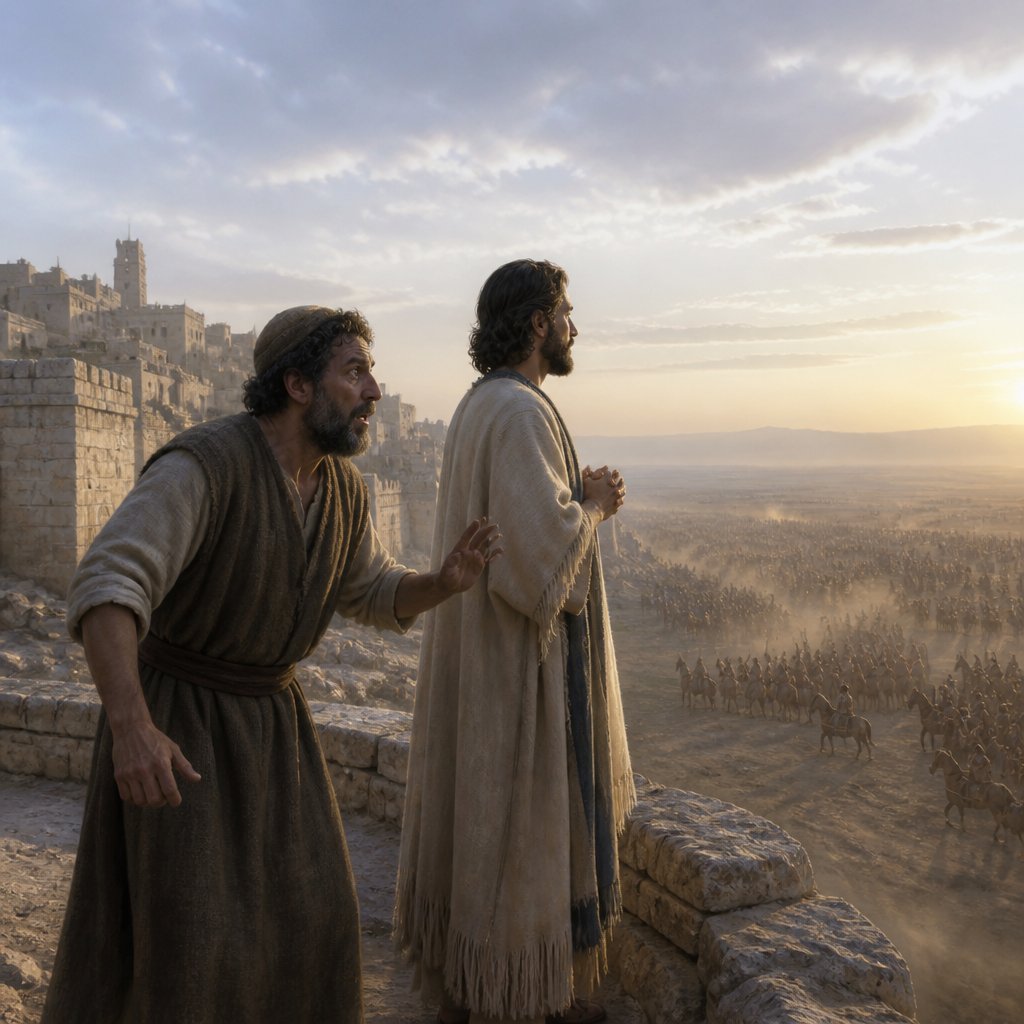
2 Kings 6:15 (KJV) – “And when the servant of the man of God was risen early, and gone forth, behold, an host compassed the city both with horses and chariots. And his servant said unto him, Alas, my master! how shall we do?”
This verse from the Old Testament book of 2 Kings presents a powerful and vivid picture of a moment of crisis and fear. The prophet Elisha and his servant find themselves surrounded by an army, and the servant is understandably overwhelmed by the sight of the enemy forces. Yet, this verse is not only a story of panic and dread, but also a portrayal of faith, trust, and divine intervention.
To understand the full significance of this verse, it is important to consider the context in which it appears. The book of 2 Kings recounts the history of the kingdoms of Israel and Judah, and the struggles and triumphs of the prophets who served as messengers of God during this turbulent period. Elisha, the central figure in this verse, was a prominent prophet who performed many miracles and acts of God throughout his ministry.
In the preceding verses of 2 Kings 6, we learn that the king of Syria was waging war against Israel, and every time he made plans to attack, Elisha would warn the king of Israel of the Syrian army's movements. Frustrated by his inability to catch the Israelites off-guard, the king of Syria sent a great army with chariots and horses to surround the city of Dothan, where Elisha and his servant were staying. It is against this ominous backdrop that we encounter the fearful response of the servant and the subsequent display of Elisha's unwavering faith.
The verse begins with the servant of Elisha rising early and going out, only to be met with the sight of the besieging army. His immediate reaction is one of alarm and hopelessness, as he exclaims, “Alas, my master! how shall we do?” This response is relatable on a human level – faced with a seemingly insurmountable threat, the servant voices his fear and despair. It is a moment of vulnerability and desperation, highlighting the very real and understandable emotions that arise in the face of danger and adversity.
Elisha's reaction, however, provides a stark contrast to the servant's distress. His response is one of calm resolve and unshakeable faith in the power of God. What follows in the subsequent verses is Elisha's assurance to his servant that they have nothing to fear, for “they that be with us are more than they that be with them” (2 Kings 6:16, KJV). Elisha then prays to God to open his servant's eyes, and the servant beholds the mountain full of horses and chariots of fire round about Elisha.
The symbolism in this passage is profound and multi-layered. On a surface level, it depicts the physical presence of the angelic army, unseen by the servant until Elisha's prayer opens his eyes. This supernatural revelation serves as a powerful testament to the reality of the spiritual realm and the divine protection that surrounds the faithful. The imagery of horses and chariots of fire conveys not only a sense of awe and wonder, but also symbolizes the strength and might of God's heavenly forces.
Furthermore, the thematic underpinnings of this verse are rich and resonant. It speaks to the enduring themes of faith, trust, and the unseen hand of God at work in the midst of adversity. The contrast between the servant's initial despair and Elisha's unwavering confidence serves as a powerful reminder of the choice between succumbing to fear or placing one's trust in God's sovereignty. It also serves as an encouragement to maintain faith in the face of overwhelming odds, knowing that God's purposes are ultimately victorious.
In a broader theological sense, this verse points to the overarching narrative of God's providence and protection throughout the biblical canon. It echoes the recurring motif of God's faithfulness to His people, and His intervention on their behalf in times of peril. It also foreshadows the ultimate triumph of good over evil, as depicted in the New Testament revelation of Christ's victory through His death and resurrection.
In conclusion, 2 Kings 6:15 presents a pivotal moment in the narrative of Elisha's ministry, encapsulating themes of faith, divine intervention, and spiritual warfare. It offers a compelling portrayal of human frailty juxtaposed with the certainty of God's power and presence. Ultimately, it serves as a profound and timeless reminder of the enduring truth that those who are with us are greater than those who are against us, and of the unwavering faithfulness of God in the midst of life's trials and tribulations.
Get our apps


Artwork for 2 Kings 6:15

2 Kings 6:15 - "And when the servant of the man of God was risen early, and gone forth, behold, an host compassed the city both with horses and chariots. And his servant said unto him, Alas, my master! how shall we do?"
"And when the servant of the man of God was risen early, and gone forth, behold, an host compassed the city both with horses and chariots. And his servant said unto him, Alas, my master! how shall we do?" - 2 Kings 6:15
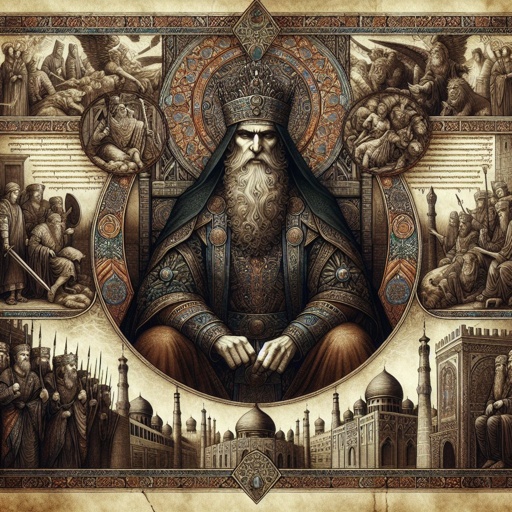
2 Kings 15:6 - "And the rest of the acts of Azariah, and all that he did, are they not written in the book of the chronicles of the kings of Judah?"
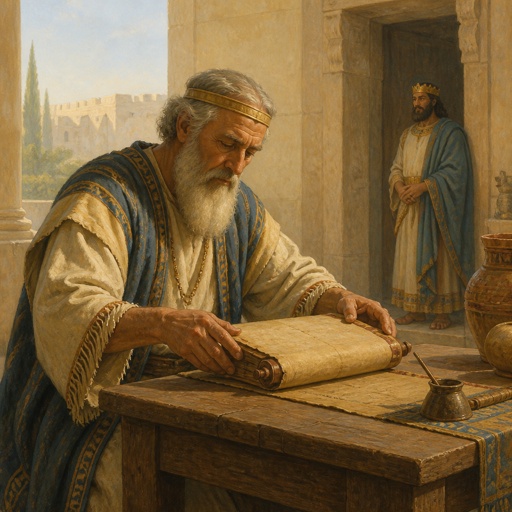
"And the rest of the acts of Azariah, and all that he did, are they not written in the book of the chronicles of the kings of Judah?" - 2 Kings 15:6

2 Kings 15:15 - "And the rest of the acts of Shallum, and his conspiracy which he made, behold, they are written in the book of the chronicles of the kings of Israel."

1 Timothy 6:15-16 – "God, the blessed and only Ruler, the King of kings and Lord of lords."

1 Timothy 6:15-16 – "God, the blessed and only Ruler, the King of kings and Lord of lords."

1 Timothy 6:15-16 – "God, the blessed and only Ruler, the King of kings and Lord of lords."
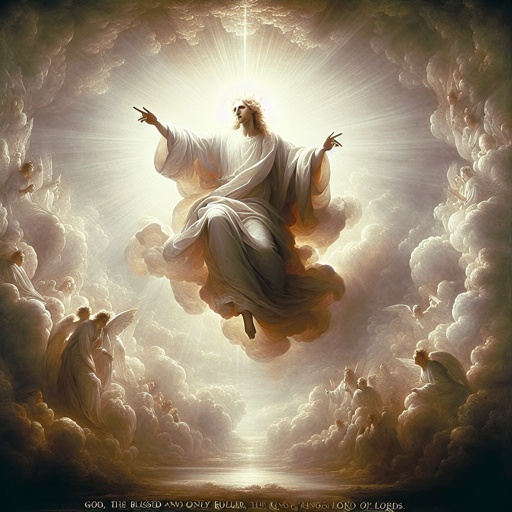
1 Timothy 6:15-16 – "God, the blessed and only Ruler, the King of kings and Lord of lords."

2 kings 6:24

1 Timothy 6:15-16 – "God, the blessed and only Ruler, the King of kings and Lord of lords."

1 Kings 15:6 - "And there was war between Rehoboam and Jeroboam all the days of his life."

2 Kings 3:15

2 Kings 3:15

2 Kings 3:15

2 Kings 15:11 - "And the rest of the acts of Zachariah, behold, they are written in the book of the chronicles of the kings of Israel."

2 Kings 15:21 - "¶ And the rest of the acts of Menahem, and all that he did, are they not written in the book of the chronicles of the kings of Israel?"
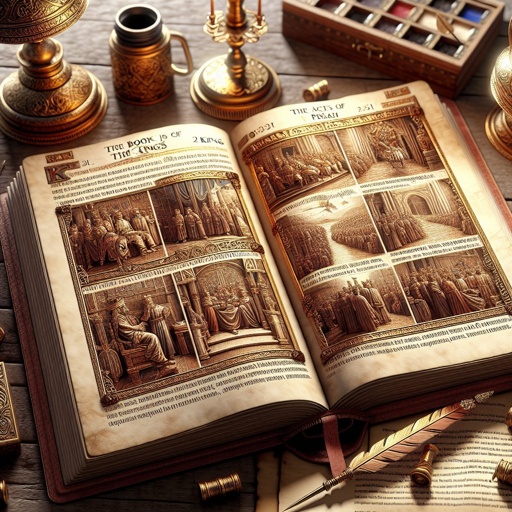
2 Kings 15:31 - "And the rest of the acts of Pekah, and all that he did, behold, they are written in the book of the chronicles of the kings of Israel."

2 Kings 15:36 - "¶ Now the rest of the acts of Jotham, and all that he did, are they not written in the book of the chronicles of the kings of Judah?"

2 Kings 15:26 - "And the rest of the acts of Pekahiah, and all that he did, behold, they are written in the book of the chronicles of the kings of Israel."

1 Timothy 6:15 - "Which in his times he shall shew, who is the blessed and only Potentate, the King of kings, and Lord of lords;"

2 Kings 15:29 show the army and attack

2 Kings 18:15 - "And Hezekiah gave him all the silver that was found in the house of the LORD, and in the treasures of the king's house."
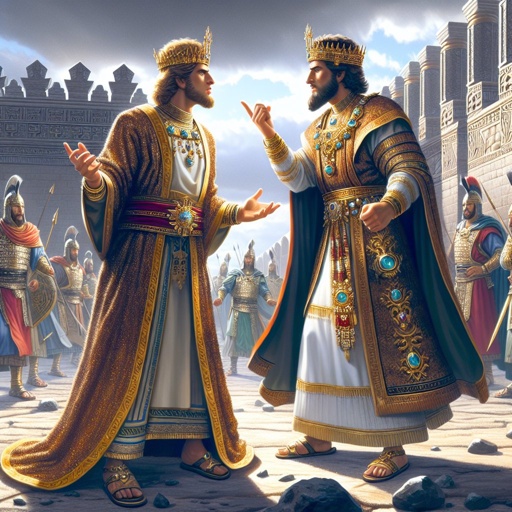
2 Kings 14:15 - "¶ Now the rest of the acts of Jehoash which he did, and his might, and how he fought with Amaziah king of Judah, are they not written in the book of the chronicles of the kings of Israel?"

2 Kings 6:16 - "And he answered, Fear not: for they that be with us are more than they that be with them."

2 Kings 15:22 - "And Menahem slept with his fathers; and Pekahiah his son reigned in his stead."

2 Kings 15:1 - "In the twenty and seventh year of Jeroboam king of Israel began Azariah son of Amaziah king of Judah to reign."

"And the rest of the acts of Shallum, and his conspiracy which he made, behold, they are written in the book of the chronicles of the kings of Israel." - 2 Kings 15:15

1 Kings 15:2 - "Three years reigned he in Jerusalem. And his mother's name was Maachah, the daughter of Abishalom."

2 Kings 12:15 - "Moreover they reckoned not with the men, into whose hand they delivered the money to be bestowed on workmen: for they dealt faithfully."