What does 2 Peter 1:16 mean?
“For we have not followed cunningly devised fables, when we made known unto you the power and coming of our Lord Jesus Christ, but were eyewitnesses of his majesty.” — 2 Peter 1:16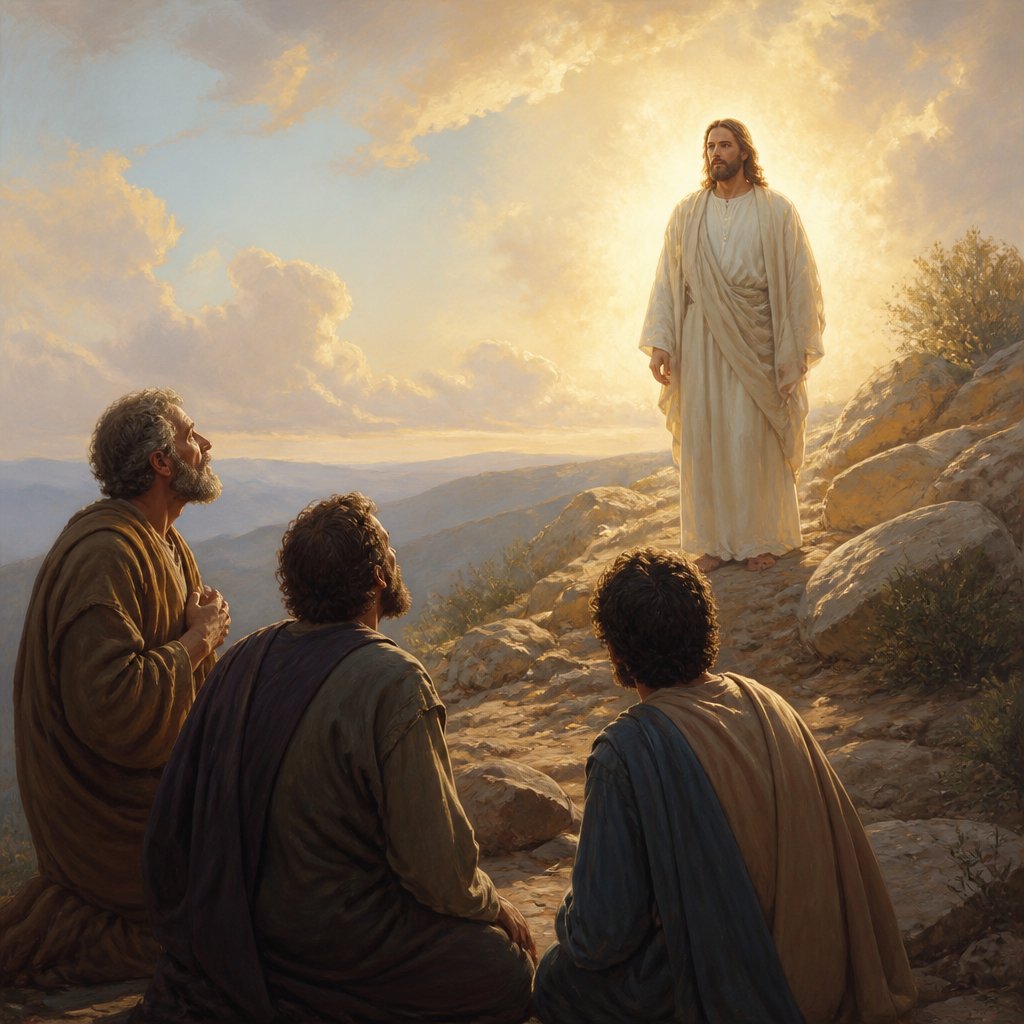
In 2 Peter 1:16, the verse from the King James Version (KJV) reads: "For we have not followed cunningly devised fables, when we made known unto you the power and coming of our Lord Jesus Christ, but were eyewitnesses of his majesty."
This verse is part of a larger passage in which the apostle Peter is exhorting believers to be diligent in their faith and to grow in Christian virtues. He encourages them to remember the teachings of the prophets and apostles and to be steadfast in their commitment to following Christ. In this specific verse, Peter is addressing the authority and authenticity of the message he and the other apostles were preaching about the power and coming of Jesus Christ.
The verse begins with the phrase, "For we have not followed cunningly devised fables," which suggests that Peter is asserting the reliability and truthfulness of the message he and the other apostles were proclaiming. The use of the word "fables" indicates that Peter is contrasting the message of the Gospel with myths or fictional stories. He is emphasizing the fact that the teachings about Jesus Christ are not based on mere human invention or imagination, but are grounded in real, historical events.
Peter continues by stating, "when we made known unto you the power and coming of our Lord Jesus Christ," indicating that the apostles were not merely passing on second-hand information or hearsay, but were personally involved in witnessing and proclaiming the power and coming of Jesus Christ. This underscores the personal and direct experience of the apostles in witnessing the events surrounding Christ's life, death, and resurrection.
Peter then asserts, "but were eyewitnesses of his majesty," highlighting the apostles' firsthand experience of seeing the majesty and glory of Jesus Christ. This likely refers to events such as the Transfiguration, where Peter, James, and John were privileged to witness the glorious manifestation of Christ's divine nature (Matthew 17:1-8). This statement further strengthens Peter's claim that the message he and the other apostles were proclaiming was based on genuine, authentic experiences, rather than on fanciful tales or myths.
In a broader context, this verse serves to reinforce the authority and reliability of the apostolic witness concerning the person and work of Jesus Christ. It affirms the eyewitness testimony of the apostles as a foundational basis for the Christian faith, and it underscores the historical reality of Jesus' life, death, and resurrection. This passage also emphasizes the distinction between the true gospel message and false teachings or heresies that may seek to distort or undermine the truth about Christ.
Furthermore, this verse reflects the theme of the reliability and trustworthiness of Scripture. It reminds believers that the message they have received about Jesus Christ is not a human invention, but is rooted in the testimony of firsthand witnesses who were personally impacted by their interactions with the living Christ. This serves to strengthen the faith of believers and provide them with confidence in the truth of the Gospel message.
In terms of symbolism, the reference to "the power and coming of our Lord Jesus Christ" points to the significance of Christ's divine authority and his anticipated return in glory. The mention of "his majesty" conveys the awe-inspiring nature of Christ's divine identity and his exalted position as the Son of God. This imagery serves to exalt and magnify the person and work of Jesus Christ, reinforcing his central role in the Christian faith.
In conclusion, 2 Peter 1:16 conveys a powerful affirmation of the authority and authenticity of the apostolic witness concerning Jesus Christ. It emphasizes the firsthand experiences of the apostles as they proclaimed the message of the Gospel, and it underscores the historical reality and significance of Christ's life and ministry. This verse serves to strengthen the faith of believers and to uphold the reliability and trustworthiness of the Christian message, rooted in the testimony of those who were eyewitnesses of Christ's majesty.
Get our apps


Artwork for 2 Peter 1:16

2 Peter 1:16 - "For we have not followed cunningly devised fables, when we made known unto you the power and coming of our Lord Jesus Christ, but were eyewitnesses of his majesty."
"For we have not followed cunningly devised fables, when we made known unto you the power and coming of our Lord Jesus Christ, but were eyewitnesses of his majesty." - 2 Peter 1:16

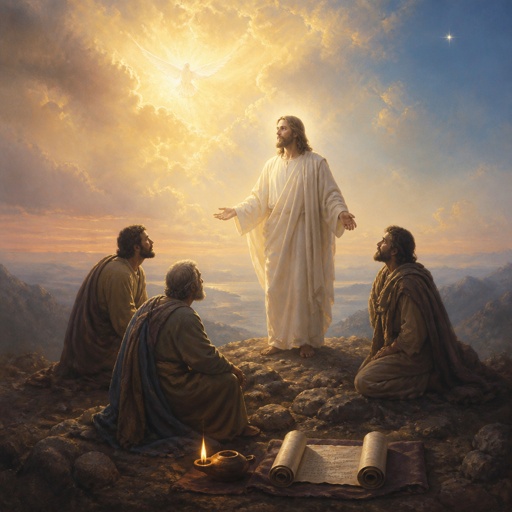
2 Peter 1:16-21 - "For we did not follow cleverly devised stories when we told you about the coming of our Lord Jesus Christ in power, but we were eyewitnesses of his majesty. He received honor and glory from God the Father when the voice came to him from the Majestic Glory, saying, “This is my Son, whom I love; with him I am well pleased.” We ourselves heard this voice that came from heaven when we were with him on the sacred mountain. We also have the prophetic message as something completely reliable, and you will do well to pay attention to it, as to a light shining in a dark place, until the day dawns and the morning star rises in your hearts. Above all, you must understand that no prophecy of Scripture came about by the prophet’s own interpretation of things. For prophecy never had its origin in the human will, but prophets, though human, spoke from God as they were carried along by the Holy Spirit."
"For we did not follow cleverly devised stories when we told you about the coming of our Lord Jesus Christ in power, but we were eyewitnesses of his majesty. He received honor and glory from God the Father when the voice came to him from the Majestic Glory, saying, “This is my Son, whom I love; with him I am well pleased.” We ourselves heard this voice that came from heaven when we were with him on the sacred mountain. We also have the prophetic message as something completely reliable, and you will do well to pay attention to it, as to a light shining in a dark place, until the day dawns and the morning star rises in your hearts. Above all, you must understand that no prophecy of Scripture came about by the prophet’s own interpretation of things. For prophecy never had its origin in the human will, but prophets, though human, spoke from God as they were carried along by the Holy Spirit." - 2 Peter 1:16-21

2 Peter 1:6 - "And to knowledge temperance; and to temperance patience; and to patience godliness;"

"And to knowledge temperance; and to temperance patience; and to patience godliness;" - 2 Peter 1:6

1 Peter 2:16 - "As free, and not using your liberty for a cloke of maliciousness, but as the servants of God."

1 Peter 1:16 - "Because it is written, Be ye holy; for I am holy."

"As free, and not using your liberty for a cloke of maliciousness, but as the servants of God." - 1 Peter 2:16

2 Peter 2:16 - "But was rebuked for his iniquity: the dumb ass speaking with man's voice forbad the madness of the prophet."

2 Peter 1:7 - "And to godliness brotherly kindness; and to brotherly kindness charity."

2 Peter 1:20 - "Knowing this first, that no prophecy of the scripture is of any private interpretation."

2 Peter 2:9

2 Peter 2:9

2 Peter 1:5 - "And beside this, giving all diligence, add to your faith virtue; and to virtue knowledge;"

1 Peter 2:5

1 Peter 2:5

2 Peter 1:18 - "And this voice which came from heaven we heard, when we were with him in the holy mount."

1 Peter 2:5

1 Peter 2:5

1 Peter 2:5

1 Peter 2:5

2 Peter 1:2 - "Grace and peace be multiplied unto you through the knowledge of God, and of Jesus our Lord,"

2 Peter 1:15 - "Moreover I will endeavour that ye may be able after my decease to have these things always in remembrance."

"Because it is written, Be ye holy; for I am holy." - 1 Peter 1:16

2 Peter 1:7 - "And to godliness brotherly kindness; and to brotherly kindness charity."

2 Peter 1:14 - "Knowing that shortly I must put off this my tabernacle, even as our Lord Jesus Christ hath shewed me."

1 Peter 4:16 - "Yet if any man suffer as a Christian, let him not be ashamed; but let him glorify God on this behalf."

2 Peter 1:1 - "Simon Peter, a servant and an apostle of Jesus Christ, to them that have obtained like precious faith with us through the righteousness of God and our Saviour Jesus Christ:"

"And to godliness brotherly kindness; and to brotherly kindness charity." - 2 Peter 1:7