What does 2 Samuel 12:31 mean?
“And he brought forth the people that were therein, and put them under saws, and under harrows of iron, and under axes of iron, and made them pass through the brickkiln: and thus did he unto all the cities of the children of Ammon. So David and all the people returned unto Jerusalem.” — 2 Samuel 12:31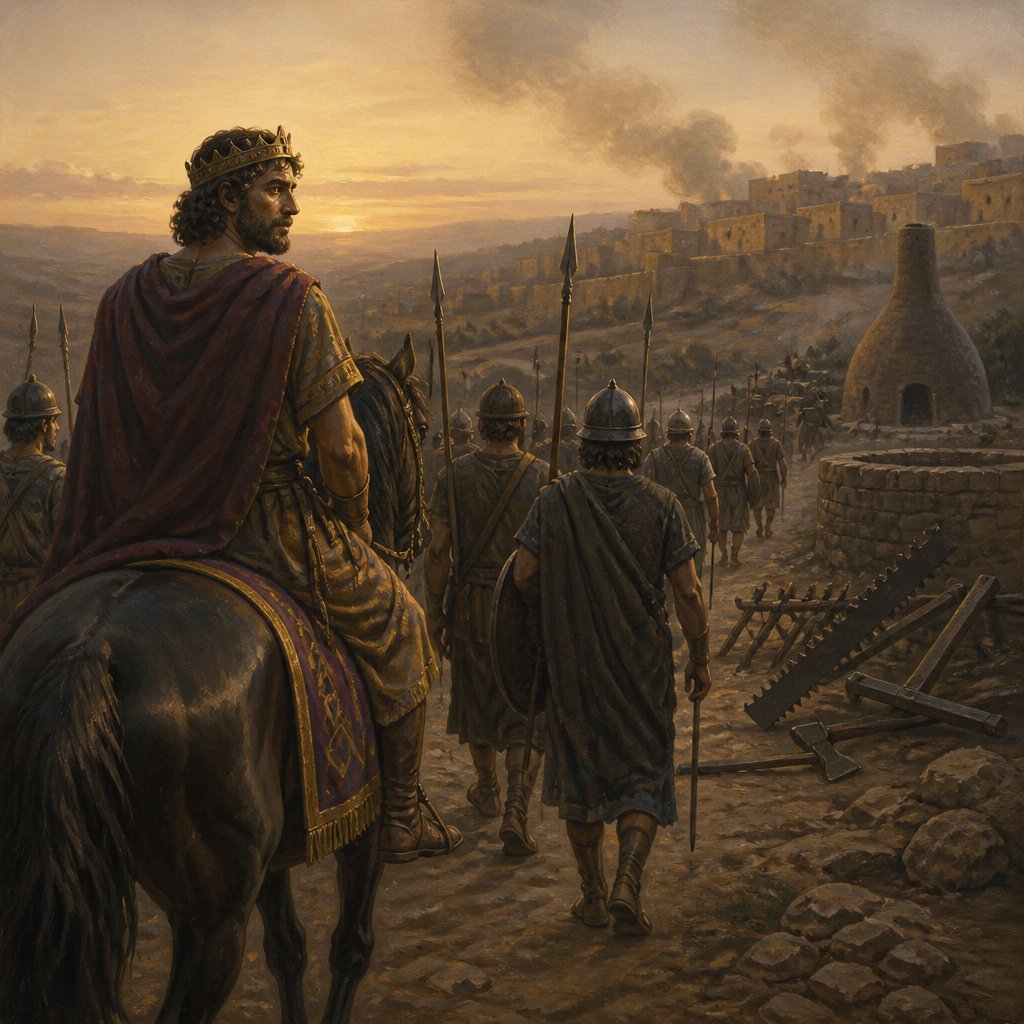
The Bible verse 2 Samuel 12:31 in the King James Version states, "And he brought forth the people that were therein, and put them under saws, and under harrows of iron, and under axes of iron, and made them pass through the brickkiln: and thus did he unto all the cities of the children of Ammon. So David and all the people returned unto Jerusalem."
This verse comes at the end of a chapter that recounts the consequences of King David's sin with Bathsheba and the subsequent murder of her husband, Uriah. In this verse, David's army has just defeated the Ammonites, and he is dealing with the conquered people in a brutal and violent manner.
The context of this verse is important for understanding its meaning. In the previous verses, we see that David's sin has brought about a series of tragedies in his life. The prophet Nathan confronts David with his sin, and as a result, the child born from his affair with Bathsheba dies. Additionally, David's household is plagued with violence and betrayal, as his son Absalom rebels against him and seeks to take the throne. It is in the midst of these turbulent events that we come to 2 Samuel 12:31, where David is dealing with the Ammonites.
The actions described in this verse are undeniably harsh and ruthless. David puts the defeated Ammonites under saws, harrows of iron, and axes of iron, and made them pass through the brick kiln. This is a brutal punishment, meant to inflict pain and suffering on the Ammonite people. It is important to note that this kind of treatment was not uncommon in ancient warfare, where conquered peoples were often subjected to such brutalities. However, the fact that it is David, a man after God's own heart (1 Samuel 13:14), who is ordering these actions is significant.
The symbolism and larger themes in this verse are complex and invite much interpretation. On one level, this verse can be seen as a demonstration of the consequences of sin and the heavy toll it takes on individuals and societies. David's sin has caused unimaginable suffering in his own life, and now we see the ripple effects of that sin spreading to the people of Ammon. It can be seen as a graphic and haunting portrayal of the destructive nature of sin and its ability to devastate lives.
Furthermore, this verse raises questions about the nature of justice and the role of violence in achieving it. David's actions here seem to be driven by a desire for retribution and vengeance, rather than a pursuit of justice tempered with mercy. This raises challenging questions about the relationship between power, violence, and the pursuit of righteousness. It can also be seen as a cautionary tale about the corrupting influence of power and the danger of succumbing to a desire for revenge.
Ultimately, this verse forces us to confront the difficult and uncomfortable realities of the human condition. It showcases the ugly and brutal aspects of the world, where suffering and violence are often the norm. It serves as a stark reminder of the capacity for evil that exists within all of us and the grave consequences that can result from unchecked sin and moral failing.
In conclusion, 2 Samuel 12:31 is a challenging and confronting verse that demands deep reflection and consideration. Its portrayal of violence and suffering serves as a powerful reminder of the devastating effects of sin and the complex moral questions it raises. It is a sobering depiction of the human condition and the capacity for cruelty and darkness that exists within us. In grappling with this verse, we are confronted with the harsh realities of life and the profound need for grace, mercy, and redemption.
Get our apps


Artwork for 2 Samuel 12:31
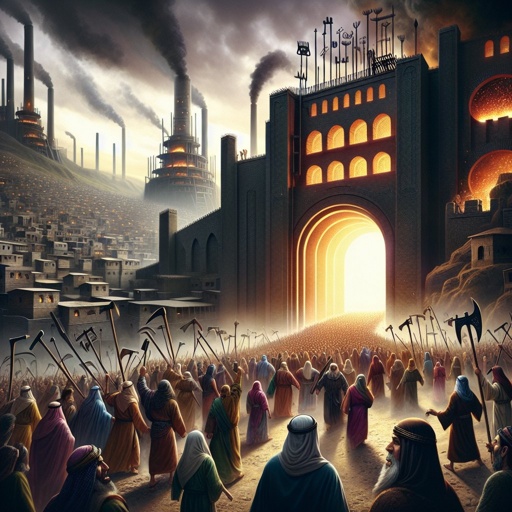
2 Samuel 12:31 - "And he brought forth the people that were therein, and put them under saws, and under harrows of iron, and under axes of iron, and made them pass through the brickkiln: and thus did he unto all the cities of the children of Ammon. So David and all the people returned unto Jerusalem."
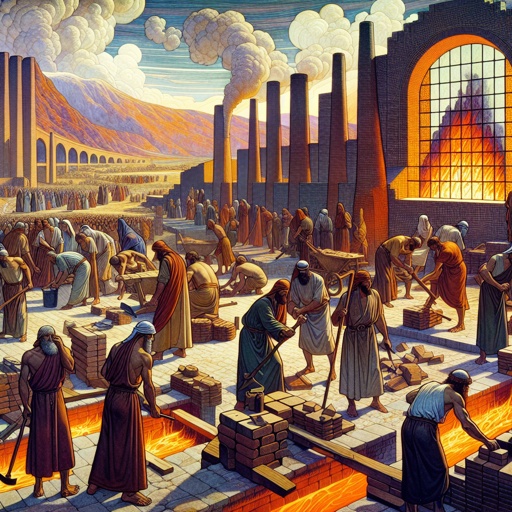
También hizo esclavos a los habitantes de Rabá y los forzó a trabajar con sierras, picos y hachas de hierro, y a trabajar en los hornos de ladrillos. Así trató a la gente de todas las ciudades amonitas. Luego David regresó a Jerusalén con todo el ejército. 2 Samuel 12:31
"And he brought forth the people that were therein, and put them under saws, and under harrows of iron, and under axes of iron, and made them pass through the brickkiln: and thus did he unto all the cities of the children of Ammon. So David and all the people returned unto Jerusalem." - 2 Samuel 12:31

2 Samuel 23:31 - "Abi-albon the Arbathite, Azmaveth the Barhumite,"
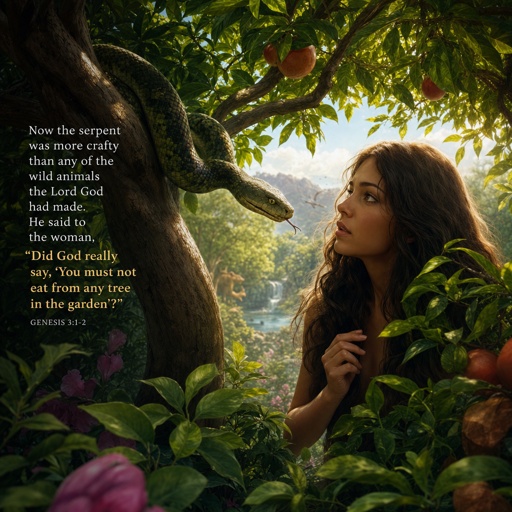
Genesis 3: 1-2

Titus 3:1-2

Titus 3:1-2

2 Samuel 2:31 - "But the servants of David had smitten of Benjamin, and of Abner's men, so that three hundred and threescore men died."

1 Sam 31: 12-13

1 Samuel 31:12 - "All the valiant men arose, and went all night, and took the body of Saul and the bodies of his sons from the wall of Beth-shan, and came to Jabesh, and burnt them there."

2 Samuel 5:12

1 Samuel 2:12

2 Samuel 12:2 - "The rich man had exceeding many flocks and herds:"

2 Samuel 22:31 - "As for God, his way is perfect; the word of the LORD is tried: he is a buckler to all them that trust in him."

2 Samuel 13:31 - "Then the king arose, and tare his garments, and lay on the earth; and all his servants stood by with their clothes rent."

"Abi-albon the Arbathite, Azmaveth the Barhumite," - 2 Samuel 23:31

2 Samuel 19:31 - "¶ And Barzillai the Gileadite came down from Rogelim, and went over Jordan with the king, to conduct him over Jordan."

2 Samuel 12:12 - "For thou didst it secretly: but I will do this thing before all Israel, and before the sun."

1 Samuel 31:2 - "And the Philistines followed hard upon Saul and upon his sons; and the Philistines slew Jonathan, and Abinadab, and Malchi-shua, Saul's sons."

2 Samuel 2:12 - "¶ And Abner the son of Ner, and the servants of Ish-bosheth the son of Saul, went out from Mahanaim to Gibeon."

1 Samuel 2:31 - "Behold, the days come, that I will cut off thine arm, and the arm of thy father's house, that there shall not be an old man in thine house."
1 Samuel 15:31 - "So Samuel turned again after Saul; and Saul worshipped the LORD."

2 Samuel 14:31 - "Then Joab arose, and came to Absalom unto his house, and said unto him, Wherefore have thy servants set my field on fire?"

1 Samuel 2:12 - "¶ Now the sons of Eli were sons of Belial; they knew not the LORD."

2 Chronicles 31:12 - "And brought in the offerings and the tithes and the dedicated things faithfully: over which Cononiah the Levite was ruler, and Shimei his brother was the next."

2 Samuel 15:31 - "¶ And one told David, saying, Ahithophel is among the conspirators with Absalom. And David said, O LORD, I pray thee, turn the counsel of Ahithophel into foolishness."

2 Samuel 12:26 - "And Joab fought against Rabbah of the children of Ammon, and took the royal city."

2 Samuel 18:31 - "And, behold, Cushi came; and Cushi said, Tidings, my lord the king: for the LORD hath avenged thee this day of all them that rose up against thee."

Berikan kepada saya gambar-gambar yang berhubungan dengan 2 Tawarikh 31:2-12

2 Samuel 12:29 - "And David gathered all the people together, and went to Rabbah, and fought against it, and took it."