What does 2 Samuel 14:28 mean?
“So Absalom dwelt two full years in Jerusalem, and saw not the king’s face.” — 2 Samuel 14:28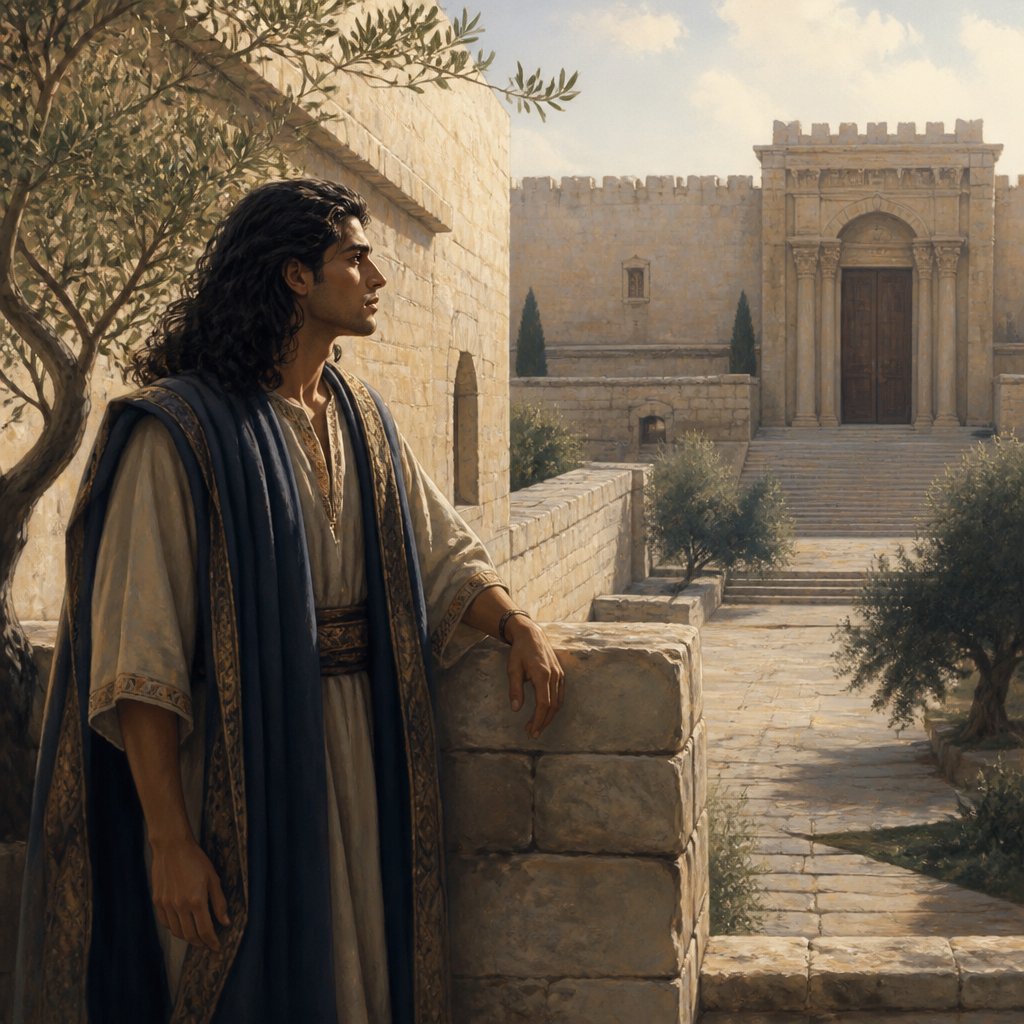
The Bible verse 2 Samuel 14:28 in the King James Version reads: "So Absalom dwelt two full years in Jerusalem, and saw not the king's face." This verse is part of the story of King David and his son Absalom, and it offers insight into the strained relationship between the two characters.
To understand the significance of this verse, it is important to consider the context in which it is situated. The story of Absalom's rebellion against his father David is detailed in 2 Samuel 13-18. Absalom, the third son of David, grows increasingly resentful of his father after his half-brother, Amnon, sexually assaults his sister, Tamar. When David fails to take any action against Amnon, Absalom takes matters into his own hands and has Amnon killed. This act of vengeance leads to Absalom's exile from Jerusalem for three years, during which time he harbors bitterness toward his father and plots to overthrow him.
The specific verse 2 Samuel 14:28 describes how Absalom returned to Jerusalem after being in exile for three years, yet he was not reconciled with his father. The fact that he dwelt in Jerusalem for two full years without seeing the king's face is a poignant reflection of the strained relationship between them. Despite being in the same city as his father, Absalom remains isolated from him, highlighting the deep division and lack of reconciliation between them.
One of the key themes in this verse is the theme of family dynamics and the consequences of unresolved conflict. The strained relationship between King David and his son Absalom serves as a cautionary tale about the destructive impact of unresolved family tensions. The verse also speaks to the theme of pride and rebellion, as Absalom's unwillingness to seek reconciliation with his father is indicative of his rebellious nature and desire for power.
The symbolism in this verse is also significant. Absalom's absence from the king's presence symbolizes the emotional distance and estrangement between them. Despite physically residing in the same city as his father, Absalom's refusal to seek reconciliation reflects the emotional chasm that exists between them. Additionally, the verse serves as a symbolic representation of the broader theme of sin and separation from God. Absalom's rebellion against his earthly father mirrors the rebellion of humanity against God, highlighting the spiritual implications of unresolved conflict and the need for reconciliation.
Overall, 2 Samuel 14:28 offers a powerful commentary on the destructive consequences of unresolved conflict and the importance of seeking reconciliation in the face of division. The verse serves as a sobering reminder of the impact of pride and rebellion within families, as well as the need for forgiveness and healing. Through the story of Absalom and King David, this verse also provides a glimpse into the complexities of human relationships and the ultimate need for grace and restoration.
Get our apps


Artwork for 2 Samuel 14:28

2 Samuel 14:28 - "¶ So Absalom dwelt two full years in Jerusalem, and saw not the king's face."
"¶ So Absalom dwelt two full years in Jerusalem, and saw not the king's face." - 2 Samuel 14:28

2 Samuel 23:28 - "Zalmon the Ahohite, Maharai the Netophathite,"

1 Samuel 28:14 - "And he said unto her, What form is he of? And she said, An old man cometh up; and he is covered with a mantle. And Saul perceived that it was Samuel, and he stooped with his face to the ground, and bowed himself."

2 Samuel 6:14

2 Samuel 6:14–22

2 Samuel 2:28 - "So Joab blew a trumpet, and all the people stood still, and pursued after Israel no more, neither fought they any more."

"Zalmon the Ahohite, Maharai the Netophathite," - 2 Samuel 23:28

1 Samuel 14:28 - "Then answered one of the people, and said, Thy father straitly charged the people with an oath, saying, Cursed be the man that eateth any food this day. And the people were faint."

2 Samuel 15:28 - "See, I will tarry in the plain of the wilderness, until there come word from you to certify me."

2 Samuel 23:14 - "And David was then in an hold, and the garrison of the Philistines was then in Beth-lehem."

2 Chronicles 28:14 - "So the armed men left the captives and the spoil before the princes and all the congregation."
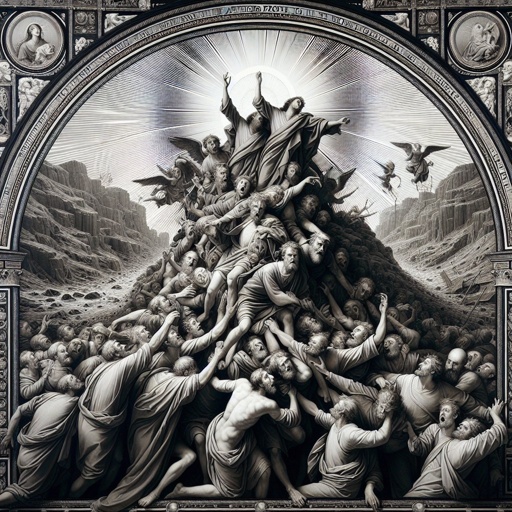
2 Samuel 22:28 - "And the afflicted people thou wilt save: but thine eyes are upon the haughty, that thou mayest bring them down."

2 Samuel 17:28 - "Brought beds, and basons, and earthen vessels, and wheat, and barley, and flour, and parched corn, and beans, and lentiles, and parched pulse,"

2 Samuel 14:23 - "So Joab arose and went to Geshur, and brought Absalom to Jerusalem."

2 Samuel 22:14 - "The LORD thundered from heaven, and the most High uttered his voice."

2 Samuel 16:14 - "And the king, and all the people that were with him, came weary, and refreshed themselves there."

2 Samuel 14:1 - "Now Joab the son of Zeruiah perceived that the king's heart was toward Absalom."

2 Samuel 11:14 - "¶ And it came to pass in the morning, that David wrote a letter to Joab, and sent it by the hand of Uriah."

2 Samuel 7:28 - "And now, O Lord GOD, thou art that God, and thy words be true, and thou hast promised this goodness unto thy servant:"

2 Samuel 2:14 - "And Abner said to Joab, Let the young men now arise, and play before us. And Joab said, Let them arise."

2 Samuel 3:28 - "¶ And afterward when David heard it, he said, I and my kingdom are guiltless before the LORD for ever from the blood of Abner the son of Ner:"

2 Samuel 5:14 - "And these be the names of those that were born unto him in Jerusalem; Shammua, and Shobab, and Nathan, and Solomon,"

2 Samuel 6:14 - "And David danced before the LORD with all his might; and David was girded with a linen ephod."

2 Samuel 12:28 - "Now therefore gather the rest of the people together, and encamp against the city, and take it: lest I take the city, and it be called after my name."

2 Samuel 14:8 - "And the king said unto the woman, Go to thine house, and I will give charge concerning thee."

2 Samuel 14:3 - "And come to the king, and speak on this manner unto him. So Joab put the words in her mouth."
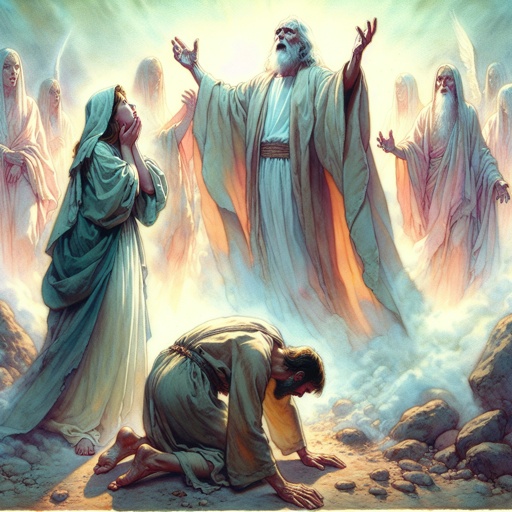
1 Samuel 28:12-14 (KJVA) 12 And when the woman saw Samuel, she cried with a loud voice: and the woman spake to Saul, saying, Why hast thou deceived me? for thou art Saul. 13 And the king said unto her, Be not afraid: for what sawest thou? And the woman said unto Saul, I saw gods ascending out of the earth. 14 And he said unto her, What form is he of? And she said, An old man cometh up; and he is covered with a mantle. And Saul perceived that it was Samuel, and he stooped with his face to the ground, and bowed himself.
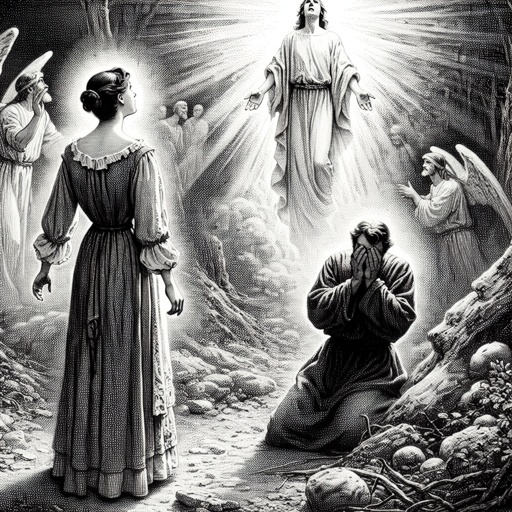
1 Samuel 28:12-14 (KJVA) 12 And when the woman saw Samuel, she cried with a loud voice: and the woman spake to Saul, saying, Why hast thou deceived me? for thou art Saul. 13 And the king said unto her, Be not afraid: for what sawest thou? And the woman said unto Saul, I saw gods ascending out of the earth. 14 And he said unto her, What form is he of? And she said, An old man cometh up; and he is covered with a mantle. And Saul perceived that it was Samuel, and he stooped with his face to the ground, and bowed himself.

1 Samuel 28:15