What does 2 Samuel 15:7 mean?
“And it came to pass after forty years, that Absalom said unto the king, I pray thee, let me go and pay my vow, which I have vowed unto the LORD, in Hebron.” — 2 Samuel 15:7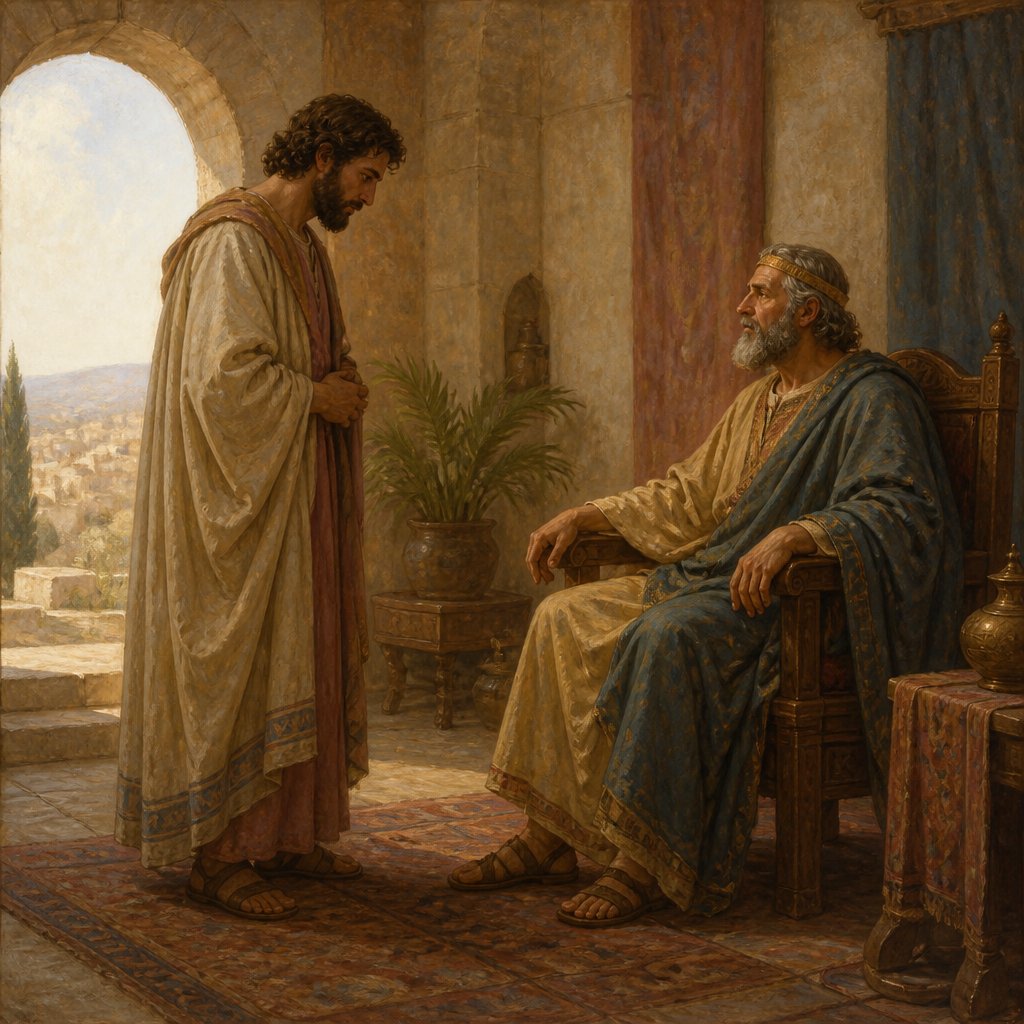
The Bible verse 2 Samuel 15:7 in the King James Version (KJV) states: "And it came to pass after forty years, that Absalom said unto the king, I pray thee, let me go and pay my vow, which I have vowed unto the Lord, in Hebron."
This verse is from the story of Absalom's rebellion against his father, King David. The context of this verse is important for understanding its significance. Absalom, the third son of David, was known for his handsome appearance and his ambition for power. His attempts to seize the throne from his father are described in 2 Samuel 15-18. This particular verse occurs at a crucial moment in the narrative, as Absalom is subtly attempting to gain the support of the people and undermine his father's authority.
The theme of betrayal and rebellion is central to the story of Absalom. After being banished from the court for killing his half-brother Amnon, Absalom gathers support from the people and eventually leads a rebellion against his father David. This verse captures Absalom's craftiness and deceit as he uses the guise of a religious vow to gain permission to travel to Hebron, a city in the territory of Judah, which was his father's power base. By doing so, Absalom is able to build support for his own agenda and ultimately challenge his father's rule.
The symbolism in this verse is rich and multifaceted. Firstly, Absalom's request to pay a vow to the Lord in Hebron can be seen as a manipulative ploy to gain favor with the people. By associating himself with religious devotion, Absalom seeks to present himself as a pious and righteous leader, while undermining his father's authority. Additionally, Hebron holds significant religious and political importance as the place where David was first anointed as king over Judah before his rule was extended to all of Israel. By positioning himself in Hebron, Absalom is making a direct challenge to his father's authority and legitimacy as king.
Moreover, the number "forty years" in this verse may also symbolize a period of testing or trial. This period of time may reflect the length of David's reign, as well as the challenges and hardships he faced as a king. Absalom's rebellion can be seen as a test of David's leadership and the loyalty of the people. The number forty is frequently used in the Bible to signify a period of testing and preparation, such as the forty days and nights of rain during the flood in Noah's time, or the forty years the Israelites spent in the wilderness.
In conclusion, 2 Samuel 15:7 in the King James Version carries a deep and layered meaning within the context of Absalom's rebellion against King David. It underscores the themes of betrayal, manipulation, and the challenge to authority, while employing rich symbolism to convey the complexity and significance of the narrative. This verse serves as a reminder of the political and moral challenges faced by leaders, and the timeless relevance of the themes depicted in the story of Absalom and David.
Get our apps


Artwork for 2 Samuel 15:7

2 Samuel 15:7 - "¶ And it came to pass after forty years, that Absalom said unto the king, I pray thee, let me go and pay my vow, which I have vowed unto the LORD, in Hebron."
"¶ And it came to pass after forty years, that Absalom said unto the king, I pray thee, let me go and pay my vow, which I have vowed unto the LORD, in Hebron." - 2 Samuel 15:7

2 Samuel 7:15 - "But my mercy shall not depart away from him, as I took it from Saul, whom I put away before thee."

1 Samuel 7:15 - "And Samuel judged Israel all the days of his life."

"And Samuel judged Israel all the days of his life." - 1 Samuel 7:15

1 Samuel 15:7 - "And Saul smote the Amalekites from Havilah until thou comest to Shur, that is over against Egypt."

2 Samuel 5:15 - "Ibhar also, and Elishua, and Nepheg, and Japhia,"

2 samuel 9:7 fhdhdhdhhd

2 Samuel 7:1–29

2 Samuel 2:15 - "Then there arose and went over by number twelve of Benjamin, which pertained to Ish-bosheth the son of Saul, and twelve of the servants of David."

2 Samuel 15:15 - "And the king's servants said unto the king, Behold, thy servants are ready to do whatsoever my lord the king shall appoint."

2 Samuel 16:15 - "¶ And Absalom, and all the people the men of Israel, came to Jerusalem, and Ahithophel with him."

2 Samuel 15:13 - "¶ And there came a messenger to David, saying, The hearts of the men of Israel are after Absalom."

2 Samuel 15:37 - "So Hushai David's friend came into the city, and Absalom came into Jerusalem."

2 Samuel 15:29 - "Zadok therefore and Abiathar carried the ark of God again to Jerusalem: and they tarried there."

2 Samuel 22:15 - "And he sent out arrows, and scattered them; lightning, and discomfited them."

2 Samuel 10:15 - "¶ And when the Syrians saw that they were smitten before Israel, they gathered themselves together."

2 Samuel 5:7 - "Nevertheless David took the strong hold of Zion: the same is the city of David."

2 Samuel 15:17 - "And the king went forth, and all the people after him, and tarried in a place that was far off."

2 Samuel 15:9 - "And the king said unto him, Go in peace. So he arose, and went to Hebron."
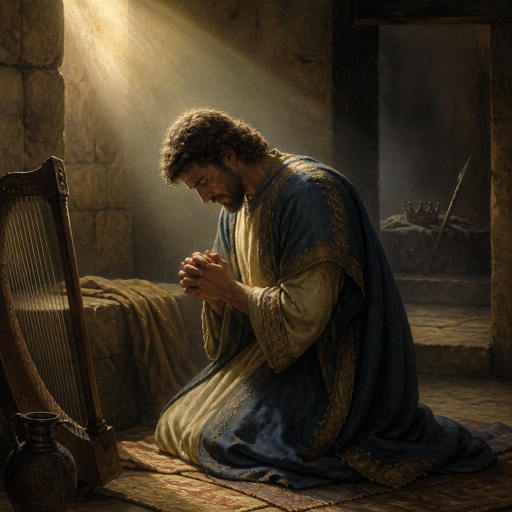
"But my mercy shall not depart away from him, as I took it from Saul, whom I put away before thee." - 2 Samuel 7:15

2 Samuel 7:4 - "¶ And it came to pass that night, that the word of the LORD came unto Nathan, saying,"

2 Samuel 18:15 - "And ten young men that bare Joab's armour compassed about and smote Absalom, and slew him."

2 Samuel 6:15 - "So David and all the house of Israel brought up the ark of the LORD with shouting, and with the sound of the trumpet."

2 Samuel 15:6-7 - "And on this manner did Absalom to all Israel that came to the king for judgment: so Absalom stole the hearts of the men of Israel. And it came to pass after forty years, that Absalom said unto the king, I pray thee, let me go and pay my vow, which I have vowed unto the LORD, in Hebron."

2 Samuel 15:33 - "Unto whom David said, If thou passest on with me, then thou shalt be a burden unto me:"

2 Samuel 15:28 - "See, I will tarry in the plain of the wilderness, until there come word from you to certify me."

2 Samuel 10:7 - "And when David heard of it, he sent Joab, and all the host of the mighty men."

1 Samuel 2:7 - "The LORD maketh poor, and maketh rich: he bringeth low, and lifteth up."

2 Samuel 8:7 - "And David took the shields of gold that were on the servants of Hadadezer, and brought them to Jerusalem."