What does 2 Samuel 19:14 mean?
"And he bowed the heart of all the men of Judah, even as the heart of one man; so that they sent this word unto the king, Return thou, and all thy servants." - 2 Samuel 19:14
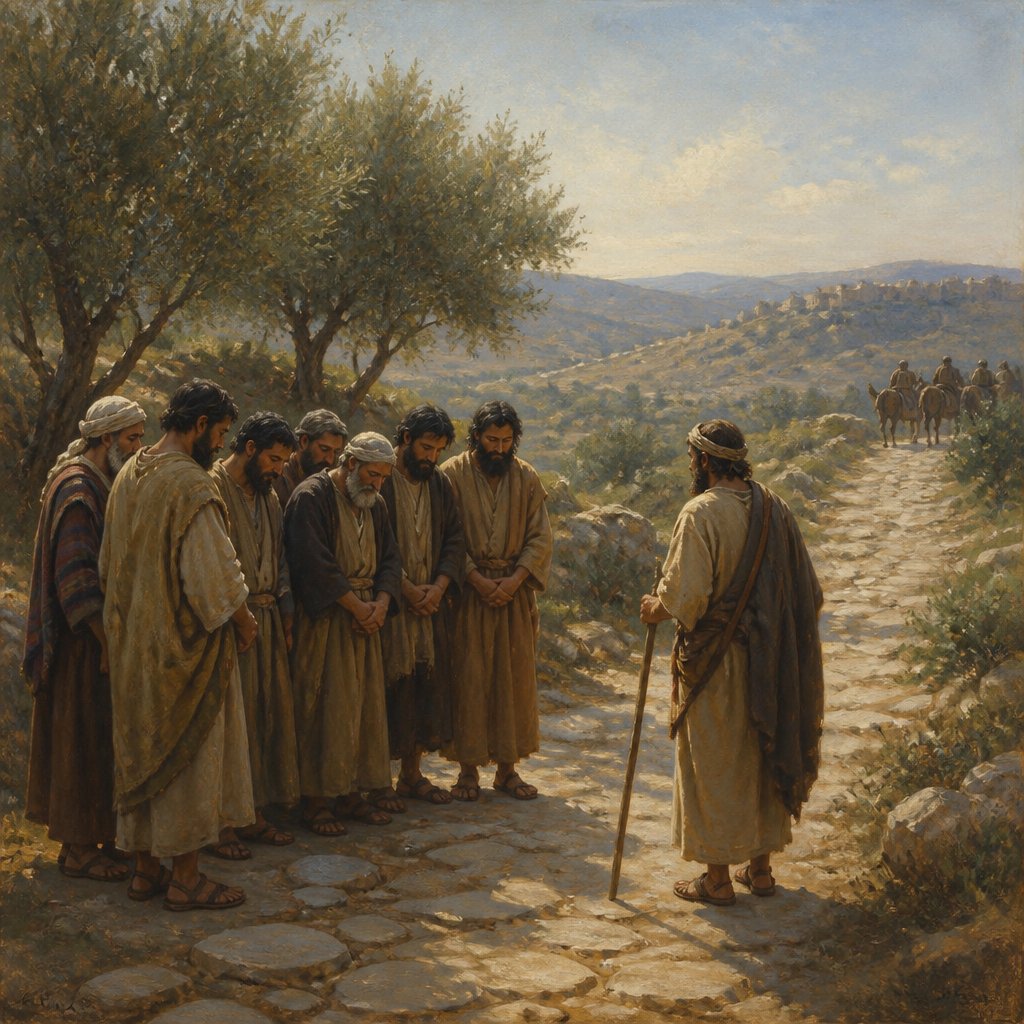
The verse 2 Samuel 19:14 in the King James Version of the Bible reads, "And he bowed the heart of all the men of Judah, even as the heart of one man; so that they sent this word unto the king, Return thou, and all thy servants."
Context:
This verse is part of the larger narrative of David's return to Jerusalem after being forced to flee due to the rebellion led by his son Absalom. Absalom had conspired against his father David and had gained the support of many of the people, causing David to flee Jerusalem. However, after a battle in which Absalom was killed, David is now making his way back to the city. In the verses leading up to 2 Samuel 19:14, we see David's return and the reconciliation with the people of Judah.
Meaning and Commentary:
The verse 2 Samuel 19:14 highlights the unity and support of the people of Judah for David. The phrase "he bowed the heart of all the men of Judah, even as the heart of one man" indicates that the people were united in their support for David, as if they were of one mind and one heart. This demonstrates the strong leadership and influence that David had over his people. Despite the turmoil and division that had occurred during Absalom's rebellion, David was able to regain the trust and loyalty of the people.
The verse also shows the power of unity and how it can bring about positive change and restoration. The people of Judah, once divided in their loyalties, are now united in their desire for David to return as their king. This unity reflects the larger theme of reconciliation and forgiveness that is present throughout the narrative of David's return. Despite the pain and betrayal that occurred, there is a sense of hope and restoration as the people come together to support their king.
Furthermore, the verse also highlights the importance of leadership and the impact that a strong leader can have on their followers. David's ability to unite the people under his leadership speaks to his qualities as a king and a leader. It also serves as a reminder of the responsibility that leaders have to guide and unite their followers, especially in times of crisis and conflict.
Symbolism:
The unity of the people of Judah as described in this verse can be seen as a symbol of the ideal relationship between a ruler and his subjects. It represents the idea of a unified and loyal kingdom, where the people are devoted to their leader and are willing to put aside their differences for the greater good. This symbolizes the kind of harmony and cooperation that is desired in a society, where individuals come together for the betterment of the whole.
Additionally, the verse can also be seen as a symbol of the divine favor and guidance that David received as a leader. The unity of the people under David's leadership can be interpreted as a reflection of God's blessing on David and his reign. It serves as a testament to David's faithfulness and righteousness as a leader, and the way in which he was able to rally the support of his people through God's guidance.
In conclusion, 2 Samuel 19:14 is a powerful and symbolic verse that demonstrates the themes of unity, leadership, and reconciliation within the larger narrative of David's return to Jerusalem. It highlights the importance of a unified kingdom and the impact of strong leadership, as well as symbolizing the divine favor and guidance that David received as a leader. The verse serves as a reminder of the power of unity and the potential for positive change and restoration when a leader is able to unite their followers.
Have questions about 2 Samuel 19:14?
Dive deeper into this scripture with Bible Chat — an AI-powered tool for exploring God's Word through conversation. Ask questions, get context, and grow in your understanding of the Bible.
Get Our Apps


2 Samuel 19:14 Artwork

2 Samuel 19:14 - "And he bowed the heart of all the men of Judah, even as the heart of one man; so that they sent this word unto the king, Return thou, and all thy servants."
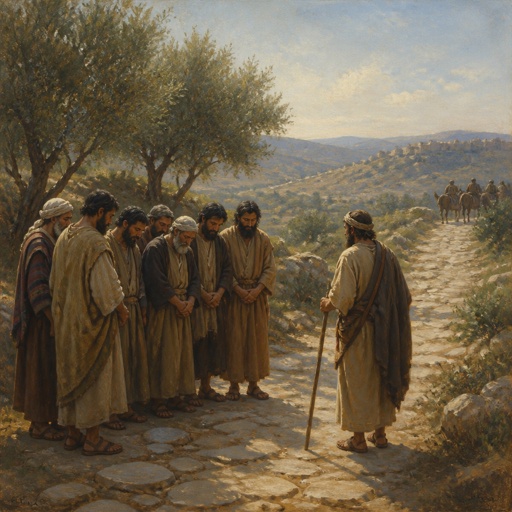
"And he bowed the heart of all the men of Judah, even as the heart of one man; so that they sent this word unto the king, Return thou, and all thy servants." - 2 Samuel 19:14

1 Samuel 19:14 - "And when Saul sent messengers to take David, she said, He is sick."

2 Samuel 19:8

2 Samuel 19:8

2 Samuel 19:8

2 Samuel 19:8

2 Samuel 19:24

2 Samuel 6:14

2 Samuel 6:14–22

2 Samuel 19:1 - "And it was told Joab, Behold, the king weepeth and mourneth for Absalom."

2 Samuel 22:19 - "They prevented me in the day of my calamity: but the LORD was my stay."

2 Samuel 23:14 - "And David was then in an hold, and the garrison of the Philistines was then in Beth-lehem."

"And when Saul sent messengers to take David, she said, He is sick." - 1 Samuel 19:14

2 Samuel 24:19 - "And David, according to the saying of Gad, went up as the LORD commanded."

1 Samuel 14:19 - "¶ And it came to pass, while Saul talked unto the priest, that the noise that was in the host of the Philistines went on and increased: and Saul said unto the priest, Withdraw thine hand."

2 Samuel 2:19 - "And Asahel pursued after Abner; and in going he turned not to the right hand nor to the left from following Abner."

2 Samuel 1:19 - "The beauty of Israel is slain upon thy high places: how are the mighty fallen!"

2 Samuel 14:23 - "So Joab arose and went to Geshur, and brought Absalom to Jerusalem."

2 Samuel 19:2 - "And the victory that day was turned into mourning unto all the people: for the people heard say that day how the king was grieved for his son."

2 Samuel 22:14 - "The LORD thundered from heaven, and the most High uttered his voice."

2 Samuel 16:14 - "And the king, and all the people that were with him, came weary, and refreshed themselves there."

2 Samuel 14:1 - "Now Joab the son of Zeruiah perceived that the king's heart was toward Absalom."

Soothing the Soul: The Gospel of Gentle Care 1 Kings 19:3-8; 1 Samuel 16:14-23

2 Samuel 14:28 - "¶ So Absalom dwelt two full years in Jerusalem, and saw not the king's face."

2 Samuel 11:14 - "¶ And it came to pass in the morning, that David wrote a letter to Joab, and sent it by the hand of Uriah."

2 Samuel 19:23 - "Therefore the king said unto Shimei, Thou shalt not die. And the king sware unto him."

Soothing the Soul: The Gospel of Gentle Care 1 Kings 19:3-8; 1 Samuel 16:14-23

2 Samuel 2:14 - "And Abner said to Joab, Let the young men now arise, and play before us. And Joab said, Let them arise."

2 Samuel 11:19 - "And charged the messenger, saying, When thou hast made an end of telling the matters of the war unto the king,"