What does 2 Samuel 2:1 mean?
"And it came to pass after this, that David enquired of the LORD, saying, Shall I go up into any of the cities of Judah? And the LORD said unto him, Go up. And David said, Whither shall I go up? And he said, Unto Hebron." - 2 Samuel 2:1
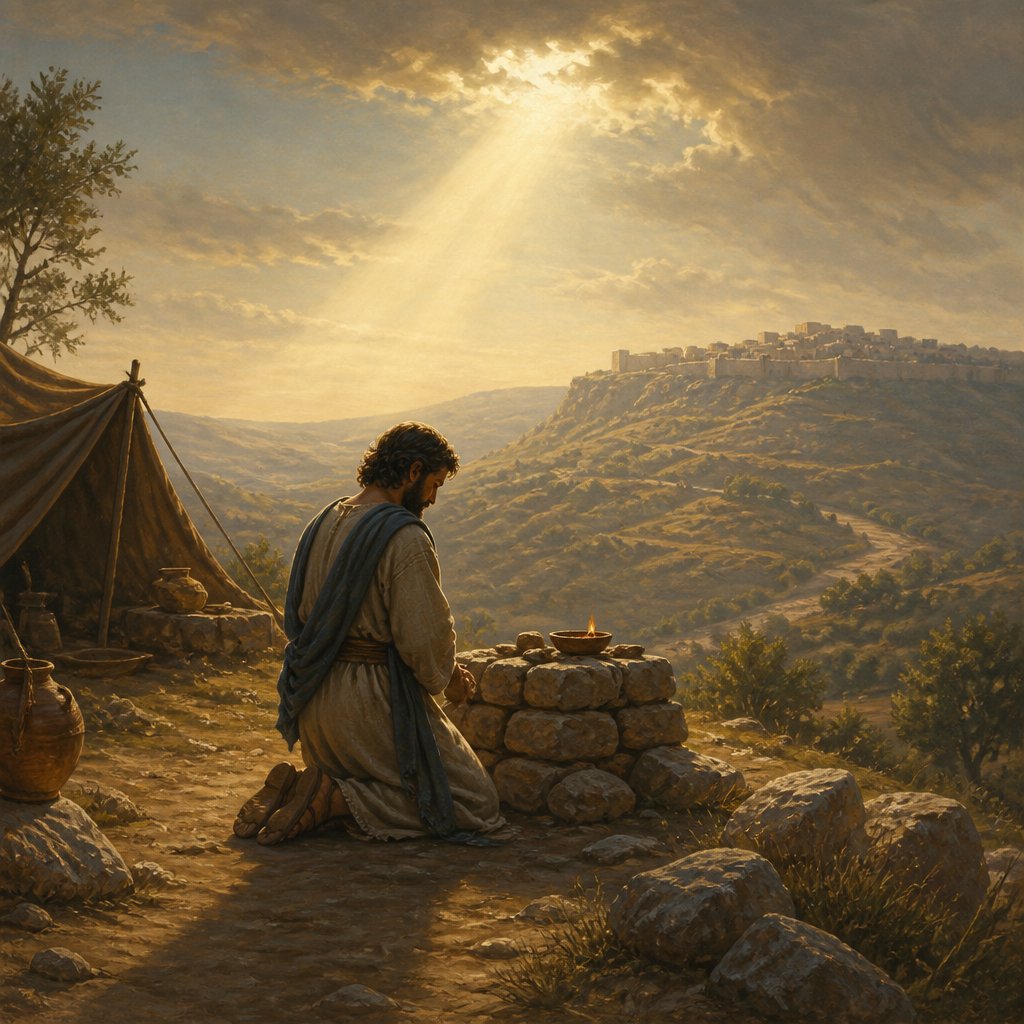
2 Samuel 2:1 (KJV) - "And it came to pass after this, that David inquired of the Lord, saying, Shall I go up into any of the cities of Judah? And the Lord said unto him, Go up. And David said, whither shall I go up? And he said, Unto Hebron."
The verse 2 Samuel 2:1 from the King James Version of the Bible, serves as an essential pivot point in the narrative of King David's rise to power. This verse not only provides insight into David's relationship with the Lord, but it also addresses themes of seeking divine guidance, leadership, and the fulfillment of God's promises.
Context:
To understand the significance of this verse, it is important to consider the context in which it is situated. At this point in the narrative, David has just received the news of the death of King Saul and his son Jonathan. David had been anointed by the prophet Samuel as the future king of Israel, but he had not yet ascended to the throne. This verse takes place in the immediate aftermath of these events, as David seeks direction from the Lord on how to proceed.
Meaning:
The verse begins with the phrase "And it came to pass after this," indicating a specific point in time following the death of Saul and Jonathan. David, recognizing the gravity of the situation and the need for divine guidance, inquires of the Lord, seeking His counsel on whether he should go up to any of the cities of Judah. This demonstrates David's humility and dependence on God, as he refrains from making decisions based solely on his own understanding.
The Lord's response to David's inquiry is simple yet profound: "Go up." This direct command from God signifies His approval and endorsement of David's ascent to power. It is an affirmation of the promise made to David by the Lord through Samuel, and it signifies the beginning of David's reign as king over Judah.
David, however, does not take this response for granted. He seeks further clarification by asking, "Whither shall I go up?" The Lord's explicit instruction to David is to go up to Hebron, a significant city in the history of Israel. Hebron holds historical and spiritual significance as it was the place where Abraham, the patriarch of Israel, had dwelt and where he was buried. By instructing David to go to Hebron, God is not only providing David with a specific destination but also connecting David to the patriarchal roots of the nation, further legitimizing his future kingship.
Themes:
The verse encapsulates several key themes that are central to the biblical narrative and the character of David. One prominent theme is the idea of seeking divine guidance. David's inquiry of the Lord reflects his reliance on God's wisdom and direction, rather than relying on his own understanding or human counsel. This theme underscores the importance of seeking God in all matters and acknowledging His sovereignty in decision-making.
Another important theme is leadership. The verse illustrates the process by which David assumes his role as king, highlighting the importance of seeking God's approval and guidance in positions of leadership. It also underscores the divine appointment of kingship, as David's authority is ultimately established by the word of the Lord.
Symbolism:
The city of Hebron holds symbolic significance in the biblical narrative. It represents a link to the patriarchal heritage of Israel, connecting David to the foundational figures of the nation. This symbolic connection serves to validate and legitimize David's future reign as king over Judah and, eventually, over all of Israel.
Additionally, the act of going up to Hebron can also be seen symbolically as a spiritual ascent. This journey serves as a metaphor for David's elevation to the throne, signifying a progression in his purpose and destiny. It also symbolizes a return to the roots of the nation, marking a new beginning for the people of Israel under David's leadership.
In conclusion, 2 Samuel 2:1 from the King James Version of the Bible carries significant thematic and symbolic weight. It portrays David's reverence for the Lord, his willingness to seek divine guidance, and the unfolding of God's plan for his kingship. The verse captures the pivotal moment in David's ascension to power and establishes the foundation for his reign as a king. It also communicates timeless principles of seeking God's direction, embracing divine appointments, and acknowledging the spiritual significance of historical locations.
Have questions about 2 Samuel 2:1?
Dive deeper into this scripture with Bible Chat — an AI-powered tool for exploring God's Word through conversation. Ask questions, get context, and grow in your understanding of the Bible.
Get Our Apps


2 Samuel 2:1 Artwork

2 Samuel 2:1 - "And it came to pass after this, that David enquired of the LORD, saying, Shall I go up into any of the cities of Judah? And the LORD said unto him, Go up. And David said, Whither shall I go up? And he said, Unto Hebron."
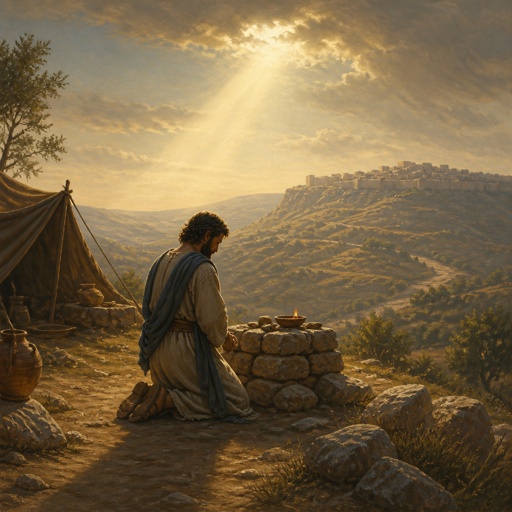
"And it came to pass after this, that David enquired of the LORD, saying, Shall I go up into any of the cities of Judah? And the LORD said unto him, Go up. And David said, Whither shall I go up? And he said, Unto Hebron." - 2 Samuel 2:1
1 Samuel 9:1-2

1 Samuel 2:26 - "And the child Samuel grew on, and was in favour both with the LORD, and also with men."
1 Samuel 2:18 - "¶ But Samuel ministered before the LORD, being a child, girded with a linen ephod."

1 Samuel 2:12

2 Samuel 24:22

2 Samuel 6:14

2 Samuel 24:22

2 Samuel 24:22

2 Samuel 7:1–29

1 Samuel 2:2 - "There is none holy as the LORD: for there is none beside thee: neither is there any rock like our God."

2 samuel 9:7 fhdhdhdhhd

2 Samuel 1. 17-27

2 Samuel 1:27 - "How are the mighty fallen, and the weapons of war perished!"

2 Samuel 1:2-4 David is shocked the man is scared image in color

2 Samuel 19:1 - "And it was told Joab, Behold, the king weepeth and mourneth for Absalom."

1 Samuel 2:4 - "The bows of the mighty men are broken, and they that stumbled are girded with strength."

Trusting God and Finding Peace 1 Samuel 1; 2

Trusting God and Finding Peace: 1 Samuel 1-2

2 Samuel 1:2-4 David is shocked the man is scared image in color

2 Samuel 1:17 - "¶ And David lamented with this lamentation over Saul and over Jonathan his son:"

1 Samuel 2:12 - "¶ Now the sons of Eli were sons of Belial; they knew not the LORD."

1 Samuel 2:21 - "And the LORD visited Hannah, so that she conceived, and bare three sons and two daughters. And the child Samuel grew before the LORD."

2 Samuel 1:2-4 David is shocked the man is scared image in color less details

2 Samuel 14:1 - "Now Joab the son of Zeruiah perceived that the king's heart was toward Absalom."

1 Samuel 2:7 - "The LORD maketh poor, and maketh rich: he bringeth low, and lifteth up."

2 Samuel 6:1 - "Again, David gathered together all the chosen men of Israel, thirty thousand."

1 Samuel 5:2 - "When the Philistines took the ark of God, they brought it into the house of Dagon, and set it by Dagon."

2 Samuel 1:19 - "The beauty of Israel is slain upon thy high places: how are the mighty fallen!"