What does 2 Samuel 20:3 mean?
“And David came to his house at Jerusalem; and the king took the ten women his concubines, whom he had left to keep the house, and put them in ward, and fed them, but went not in unto them. So they were shut up unto the day of their death, living in widowhood.” — 2 Samuel 20:3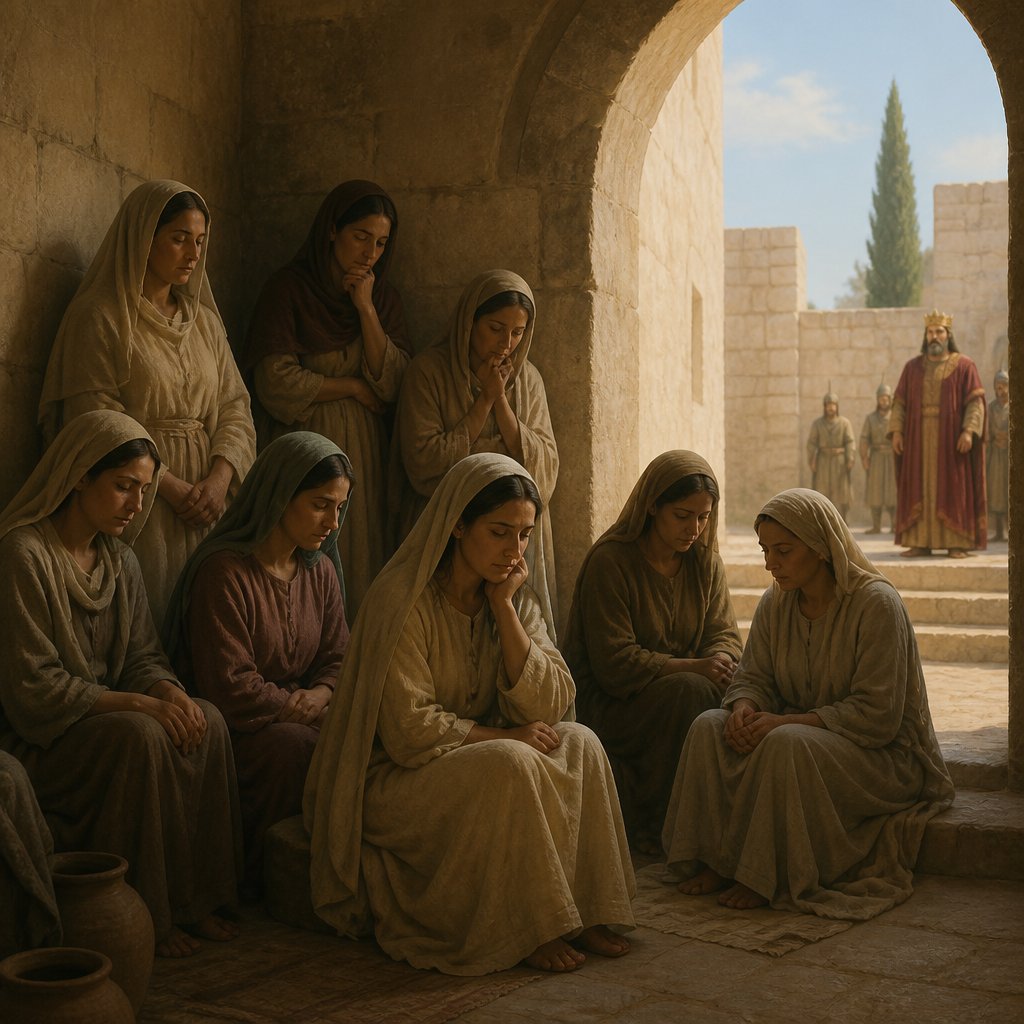
The verse 2 Samuel 20:3 in the King James Version of the Bible reads, "And David came to his house at Jerusalem; and the king took the ten women his concubines, whom he had left to keep the house, and put them in ward, and fed them, but went not in unto them. So they were shut up unto the day of their death, living in widowhood."
This verse comes after a series of events in the life of King David, including the rebellion of Absalom and the subsequent battle to put down the rebellion. In the aftermath of these events, much of Israel was divided and in turmoil. As David returns to Jerusalem, he encounters further conflict and betrayal. This particular verse deals with the aftermath of Absalom's rebellion and David's response to it.
The verse begins with David returning to Jerusalem, symbolizing his return to power and authority after the turbulence caused by Absalom's rebellion. However, the situation is not without its challenges. Upon his return, David takes the ten concubines he had left behind to care for the house while he was away. This act serves as a reminder of the consequences of the rebellion and the disruption it caused in David's household. The fact that David "put them in ward" suggests that he kept them under guard, possibly due to the fear of further betrayal or rebellion.
It is important to note that the treatment of concubines in ancient Israel was a complex and controversial issue. While they held a lower status than wives, they were still considered part of the household and often had some level of protection and provision. In this case, David's decision to put the concubines in ward and not go in unto them signifies a reassertion of his authority and control over his household. However, it also highlights the power dynamics and mistreatment of women that were prevalent in ancient societies.
The verse continues by stating that the concubines remained in ward until the day of their death, living in widowhood. This suggests that they were effectively cut off from normal life and were left to live out their days in isolation and loneliness. This treatment further underscores the consequences of the rebellion and the impact it had on the lives of those involved.
In terms of themes, this verse touches on issues of power, authority, and the consequences of rebellion. It highlights the challenges and complexities of leadership, as well as the impact of political unrest on the lives of individuals. Additionally, it raises important ethical questions about the treatment of women and the responsibilities of those in positions of power.
From a broader context, this verse fits into the larger narrative of David's reign as king of Israel. It serves as a reminder of the struggles and conflicts that he faced, as well as the moral and ethical dilemmas that arose from his decisions. It also reflects the broader themes of sin, consequences, and redemption that run throughout the biblical narrative.
Symbolically, this verse can be seen as a cautionary tale about the dangers of rebellion and the far-reaching impact it can have. It also serves as a reminder of the importance of ethical leadership and the responsibility that comes with holding power and authority.
In conclusion, 2 Samuel 20:3 is a verse that sheds light on the complex dynamics of power and authority, as well as the far-reaching consequences of rebellion and political unrest. It raises important ethical questions about the treatment of women and the responsibilities of those in positions of power. Ultimately, it serves as a cautionary tale and a reminder of the challenges and moral dilemmas that arise in leadership.
Get our apps


Artwork for 2 Samuel 20:3

2 Samuel 20:3 - "¶ And David came to his house at Jerusalem; and the king took the ten women his concubines, whom he had left to keep the house, and put them in ward, and fed them, but went not in unto them. So they were shut up unto the day of their death, living in widowhood."
"¶ And David came to his house at Jerusalem; and the king took the ten women his concubines, whom he had left to keep the house, and put them in ward, and fed them, but went not in unto them. So they were shut up unto the day of their death, living in widowhood." - 2 Samuel 20:3

2 Samuel 3:20 - "So Abner came to David to Hebron, and twenty men with him. And David made Abner and the men that were with him a feast."

1 Samuel 3:20 - "And all Israel from Dan even to Beer-sheba knew that Samuel was established to be a prophet of the LORD."

2 Samuel 22:17-20

2 Samuel 20:20 - "And Joab answered and said, Far be it, far be it from me, that I should swallow up or destroy."

2 Samuel 20:25 - "And Sheva was scribe: and Zadok and Abiathar were the priests:"

2 Samuel 20:24 - "And Adoram was over the tribute: and Jehoshaphat the son of Ahilud was recorder:"

2 Samuel 20:26 - "And Ira also the Jairite was a chief ruler about David."

2 Samuel 2:20 - "Then Abner looked behind him, and said, Art thou Asahel? And he answered, I am."

2 Samuel 16:20 - "¶ Then said Absalom to Ahithophel, Give counsel among you what we shall do."
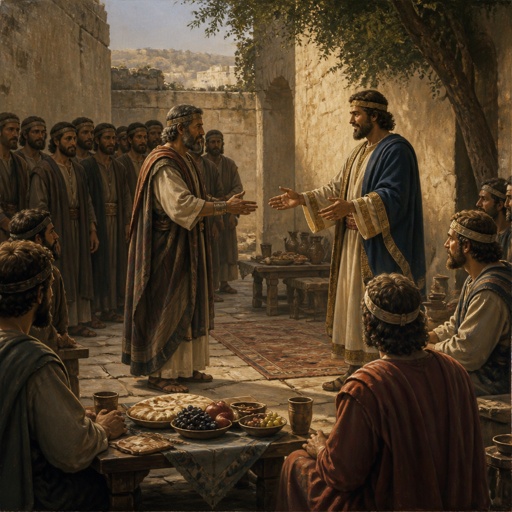
"So Abner came to David to Hebron, and twenty men with him. And David made Abner and the men that were with him a feast." - 2 Samuel 3:20
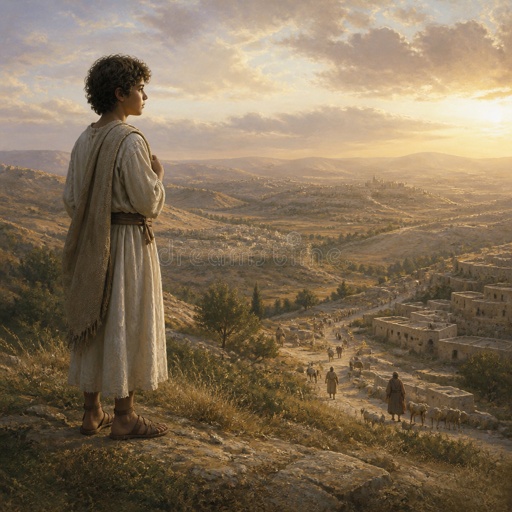
"And all Israel from Dan even to Beer-sheba knew that Samuel was established to be a prophet of the LORD." - 1 Samuel 3:20

2 Samuel 3:2 - "¶ And unto David were sons born in Hebron: and his firstborn was Amnon, of Ahinoam the Jezreelitess;"

2 Samuel 1:20 - "Tell it not in Gath, publish it not in the streets of Askelon; lest the daughters of the Philistines rejoice, lest the daughters of the uncircumcised triumph."

2 Samuel 20:4 - "¶ Then said the king to Amasa, Assemble me the men of Judah within three days, and be thou here present."

2 Samuel 4:3 - "And the Beerothites fled to Gittaim, and were sojourners there until this day.)"

2 Samuel 7:20 - "And what can David say more unto thee? for thou, Lord GOD, knowest thy servant."

2 Samuel 20:23 - "¶ Now Joab was over all the host of Israel: and Benaiah the son of Jehoiada was over the Cherethites and over the Pelethites:"

2 Samuel 22:20 - "He brought me forth also into a large place: he delivered me, because he delighted in me."

2 Samuel 3:4 - "And the fourth, Adonijah the son of Haggith; and the fifth, Shephatiah the son of Abital;"

2 Samuel 3:3 - "And his second, Chileab, of Abigail the wife of Nabal the Carmelite; and the third, Absalom the son of Maacah the daughter of Talmai king of Geshur;"

2 Samuel 20:13 - "When he was removed out of the highway, all the people went on after Joab, to pursue after Sheba the son of Bichri."

2 Samuel 3:33 - "And the king lamented over Abner, and said, Died Abner as a fool dieth?"

2 Samuel 3:5 - "And the sixth, Ithream, by Eglah David's wife. These were born to David in Hebron."

"And Sheva was scribe: and Zadok and Abiathar were the priests:" - 2 Samuel 20:25

2 Samuel 20:2 - "So every man of Israel went up from after David, and followed Sheba the son of Bichri: but the men of Judah clave unto their king, from Jordan even to Jerusalem."

2 Samuel 2:3 - "And his men that were with him did David bring up, every man with his household: and they dwelt in the cities of Hebron."

2 Samuel 20:11 - "And one of Joab's men stood by him, and said, He that favoureth Joab, and he that is for David, let him go after Joab."

2 Samuel 20:9 - "And Joab said to Amasa, Art thou in health, my brother? And Joab took Amasa by the beard with the right hand to kiss him."