What does 2 Samuel 2:27 mean?
“And Joab said, As God liveth, unless thou hadst spoken, surely then in the morning the people had gone up every one from following his brother.” — 2 Samuel 2:27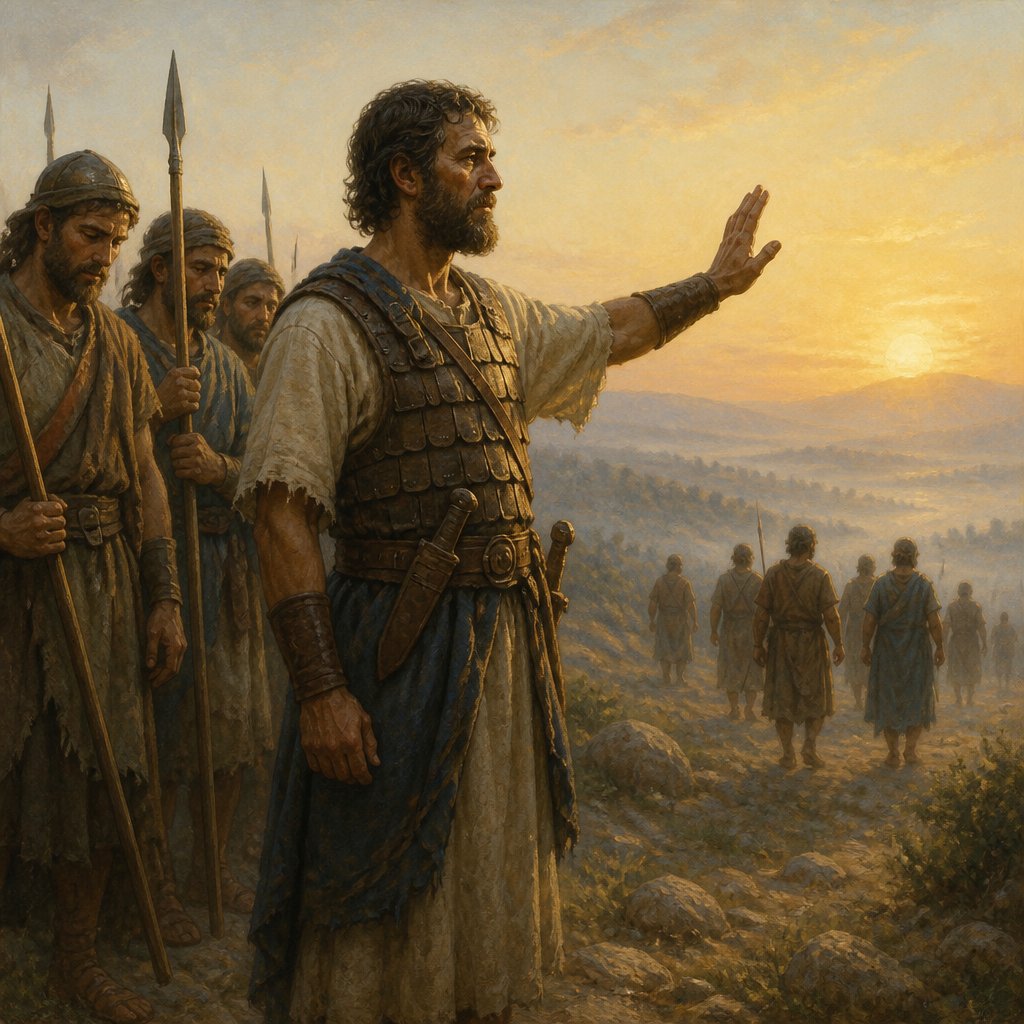
The verse 2 Samuel 2:27 in the King James Version of the Bible reads, "And Joab said, As God liveth, unless thou hadst spoken, surely then in the morning the people had gone up every one from following his brother."
In order to properly understand the meaning and context of this verse, it is necessary to examine the surrounding verses and the historical context in which it occurs. In 2 Samuel 2, we find the Israelites in the midst of a civil war following the death of King Saul. David has been anointed as king over Judah, while Ishbosheth, Saul's son, has been made king over the rest of Israel. In the verse preceding 2 Samuel 2:27, we learn that there was a battle between the forces of David and the forces of Ishbosheth, and that Joab, the commander of David's army, and his brother Abishai had been pursuing Abner, the commander of Ishbosheth's army.
In this particular verse, we find Joab addressing Abner, the commander of Ishbosheth's army. Joab had called a halt to the pursuit, and he explains to Abner what would have happened if he had not done so. He swears by the living God, saying, "As God liveth, unless thou hadst spoken, surely then in the morning the people had gone up every one from following his brother." In other words, Joab is indicating that if Abner had not intervened, the battle would have continued and many more casualties would have occurred.
The context of this verse is one of conflict and violence, as the nation of Israel is torn apart by civil war. The verse reflects the tension and the uncertainty that characterized this period in Israel's history. Joab's words to Abner reveal the brutality and the unpredictability of war, as well as the delicate balance between continued bloodshed and the possibility of peace. Joab's reference to the living God also serves to emphasize the seriousness and the solemnity of his words, as he appeals to the highest authority to bear witness to the truth of his statement.
In terms of themes, this verse touches on the themes of war, conflict, and the fragile nature of peace. It highlights the destructive power of violence and the potential for even greater harm if hostilities were to continue. It also underscores the role of human agency in determining the course of events, as Joab acknowledges the pivotal role that Abner's intervention played in preventing further bloodshed. Additionally, the verse conveys a sense of the uncertainty and the precariousness of the situation, as it is unclear what the future holds for the divided nation of Israel.
Symbolically, the mention of the living God in Joab's oath serves as a reminder of the divine presence and the moral imperative to seek peace and reconciliation. It underscores the gravity of the situation and the need to act in accordance with God's will. Furthermore, Joab's words can be seen as a plea for reason and for the recognition of the human cost of continued conflict. In this sense, the verse serves as a call for wisdom and restraint in the midst of turmoil and strife.
In conclusion, 2 Samuel 2:27 is a verse that captures the essence of the turbulent and violent period in Israel's history. It reflects the harsh realities of war and the human capacity to either perpetuate or prevent further bloodshed. It also conveys a sense of uncertainty and the delicate balance between continued conflict and the potential for peace. Ultimately, the verse serves as a reminder of the need for wisdom, restraint, and the recognition of the human cost of violence.
Get our apps


Artwork for 2 Samuel 2:27

2 Samuel 2:27 - "And Joab said, As God liveth, unless thou hadst spoken, surely then in the morning the people had gone up every one from following his brother."
"And Joab said, As God liveth, unless thou hadst spoken, surely then in the morning the people had gone up every one from following his brother." - 2 Samuel 2:27

2 Samuel 23:27 - "Abiezer the Anethothite, Mebunnai the Hushathite,"

2 Samuel 1. 17-27

2 Samuel 1:27 - "How are the mighty fallen, and the weapons of war perished!"

2 Samuel 2:7 - "Therefore now let your hands be strengthened, and be ye valiant: for your master Saul is dead, and also the house of Judah have anointed me king over them."

2 Samuel 13:27 - "But Absalom pressed him, that he let Amnon and all the king's sons go with him."

"Abiezer the Anethothite, Mebunnai the Hushathite," - 2 Samuel 23:27

2 Samuel 22:27 - "With the pure thou wilt shew thyself pure; and with the froward thou wilt shew thyself unsavoury."

2 Samuel 12:27 - "And Joab sent messengers to David, and said, I have fought against Rabbah, and have taken the city of waters."

2 Samuel 14:27 - "And unto Absalom there were born three sons, and one daughter, whose name was Tamar: she was a woman of a fair countenance."

"How are the mighty fallen, and the weapons of war perished!" - 2 Samuel 1:27

1 Samuel 27:2 - "And David arose, and he passed over with the six hundred men that were with him unto Achish, the son of Maoch, king of Gath."

2 Samuel 18:27 - "And the watchman said, Me thinketh the running of the foremost is like the running of Ahimaaz the son of Zadok. And the king said, He is a good man, and cometh with good tidings."

2 Samuel 19:27 - "And he hath slandered thy servant unto my lord the king; but my lord the king is as an angel of God: do therefore what is good in thine eyes."

2 Samuel 17:27 - "¶ And it came to pass, when David was come to Mahanaim, that Shobi the son of Nahash of Rabbah of the children of Ammon, and Machir the son of Ammiel of Lo-debar, and Barzillai the Gileadite of Rogelim,"

2 Samuel 11:27 - "And when the mourning was past, David sent and fetched her to his house, and she became his wife, and bare him a son. But the thing that David had done displeased the LORD."

2 Samuel 15:27 - "The king said also unto Zadok the priest, Art not thou a seer? return into the city in peace, and your two sons with you, Ahimaaz thy son, and Jonathan the son of Abiathar."

1 Samuel 2:7 - "The LORD maketh poor, and maketh rich: he bringeth low, and lifteth up."

2 Samuel 3:27 - "And when Abner was returned to Hebron, Joab took him aside in the gate to speak with him quietly, and smote him there under the fifth rib, that he died, for the blood of Asahel his brother."

1 Samuel 2:27 - "¶ And there came a man of God unto Eli, and said unto him, Thus saith the LORD, Did I plainly appear unto the house of thy father, when they were in Egypt in Pharaoh's house?"

"But Absalom pressed him, that he let Amnon and all the king's sons go with him." - 2 Samuel 13:27

2 Samuel 7:27 - "For thou, O LORD of hosts, God of Israel, hast revealed to thy servant, saying, I will build thee an house: therefore hath thy servant found in his heart to pray this prayer unto thee."
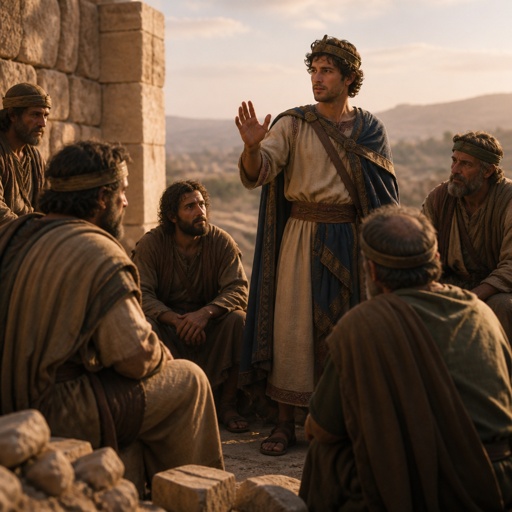
"Therefore now let your hands be strengthened, and be ye valiant: for your master Saul is dead, and also the house of Judah have anointed me king over them." - 2 Samuel 2:7
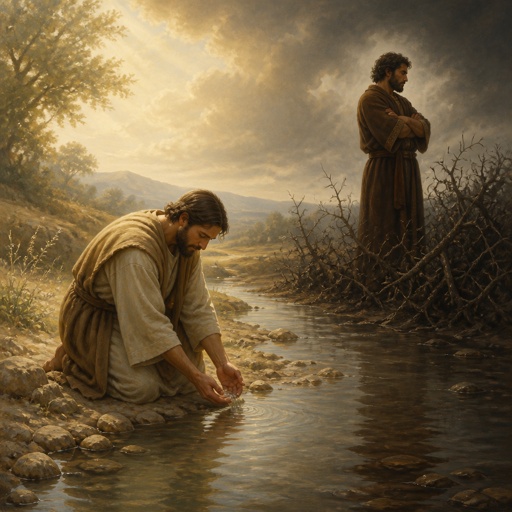
"With the pure thou wilt shew thyself pure; and with the froward thou wilt shew thyself unsavoury." - 2 Samuel 22:27

Psalm 27:2

Mark 2:27

NUMBERS 27:2

"The LORD maketh poor, and maketh rich: he bringeth low, and lifteth up." - 1 Samuel 2:7

2 Samuel 12:2 - "The rich man had exceeding many flocks and herds:"