What does 2 Samuel 2:9 mean?
“And made him king over Gilead, and over the Ashurites, and over Jezreel, and over Ephraim, and over Benjamin, and over all Israel.” — 2 Samuel 2:9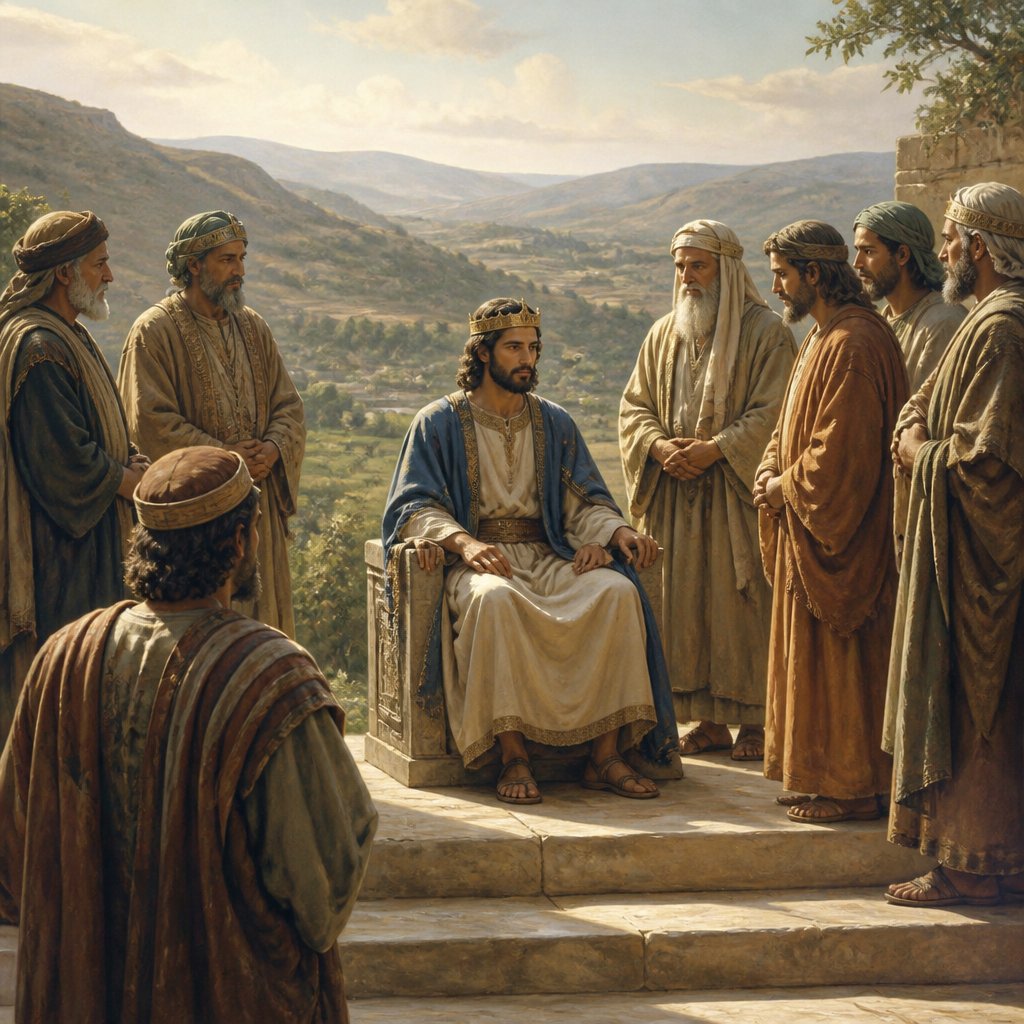
The verse 2 Samuel 2:9 in the King James Version of the Bible reads: "And made him king over Gilead, and over the Ashurites, and over Jezreel, and over Ephraim, and over Benjamin, and over all Israel."
This verse comes from the Old Testament book of 2 Samuel, which is a continuation of the story of the rise of King David. This particular verse is part of a larger narrative about David's ascent to the throne of Israel. After the death of King Saul, David was anointed as king over the tribe of Judah, but there was still division and conflict within Israel. This verse marks an important moment in David's journey to becoming the king of all Israel.
In this verse, David is being recognized as the rightful king over various regions and tribes within Israel. Gilead, Ashurites, Jezreel, Ephraim, and Benjamin were all significant territories within the land of Israel, and by being appointed as king over all of them, David's authority and rulership were being extended to encompass the entire nation. This was a crucial step in the process of unifying the 12 tribes of Israel under one king and establishing David as the legitimate ruler of the entire nation.
One of the key themes of this verse is the establishment of leadership and authority. David's appointment as king over multiple territories symbolizes his growing power and influence as a leader. It also highlights the process of unification and the consolidation of power under his rule. This theme of leadership and authority is prominent throughout the Old Testament, as the Israelites sought strong and just leaders to guide them.
Another important theme in this verse is the fulfillment of God's promises. Throughout the Bible, there are numerous prophecies and promises made to various individuals and people groups. In the case of David, he was anointed by the prophet Samuel as the future king of Israel, and this verse represents the fulfillment of that divine promise. It serves as a reminder of God's faithfulness and His sovereignty in establishing the leadership and governance of His chosen people.
The context of this verse is also crucial to understanding its significance. The period of David's rise to power was marked by political intrigue, military conflict, and the struggle for dominance among competing factions. In the midst of this turmoil, David's ascent to the throne represented a beacon of hope and stability for the people of Israel. His leadership brought a sense of unity and strength to a nation that had been divided and weakened by internal strife.
Symbolically, this verse represents the uniting of the various tribes of Israel under the banner of a single king. It embodies the idea of strength in unity and the importance of cohesive leadership. Furthermore, it foreshadows the future reign of David as a king who would bring peace, prosperity, and justice to the nation of Israel.
In conclusion, 2 Samuel 2:9 is a pivotal verse in the narrative of David's rise to power and the establishment of his kingship over all of Israel. It underscores themes of leadership, fulfillment of God's promises, and the unification of a divided nation. It also serves as a symbol of hope and stability in a time of political upheaval. This verse holds profound significance within the larger context of the biblical story and continues to resonate as a testament to the faithfulness of God and the enduring legacy of King David.
Get our apps


Artwork for 2 Samuel 2:9

2 Samuel 2:9 - "And made him king over Gilead, and over the Ashurites, and over Jezreel, and over Ephraim, and over Benjamin, and over all Israel."
"And made him king over Gilead, and over the Ashurites, and over Jezreel, and over Ephraim, and over Benjamin, and over all Israel." - 2 Samuel 2:9

2 Samuel 11:9
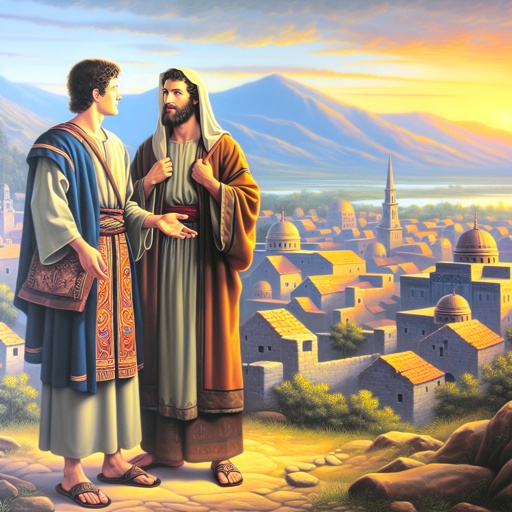
1 Samuel 9:1-2

2 samuel 9:7 fhdhdhdhhd

2 Samuel 8:9 - "¶ When Toi king of Hamath heard that David had smitten all the host of Hadadezer,"

2 Samuel 6:9 - "And David was afraid of the LORD that day, and said, How shall the ark of the LORD come to me?"

2 Samuel 15:9 - "And the king said unto him, Go in peace. So he arose, and went to Hebron."

2 Samuel 9:2 - "And there was of the house of Saul a servant whose name was Ziba. And when they had called him unto David, the king said unto him, Art thou Ziba? And he said, Thy servant is he."

2 Samuel 9:1 - "And David said, Is there yet any that is left of the house of Saul, that I may shew him kindness for Jonathan's sake?"

2 Samuel 9:9 - "¶ Then the king called to Ziba, Saul's servant, and said unto him, I have given unto thy master's son all that pertained to Saul and to all his house."

2 Samuel 11:9 - "But Uriah slept at the door of the king's house with all the servants of his lord, and went not down to his house."

1 Samuel 2:9 - "He will keep the feet of his saints, and the wicked shall be silent in darkness; for by strength shall no man prevail."

2 Samuel 9:5 - "¶ Then king David sent, and fetched him out of the house of Machir, the son of Ammiel, from Lo-debar."

2 Samuel 22:9 - "There went up a smoke out of his nostrils, and fire out of his mouth devoured: coals were kindled by it."

2 Samuel 9:13 - "So Mephibosheth dwelt in Jerusalem: for he did eat continually at the king's table; and was lame on both his feet."

2 Samuel 5:9 - "So David dwelt in the fort, and called it the city of David. And David built round about from Millo and inward."

2 Samuel 9:8 - "And he bowed himself, and said, What is thy servant, that thou shouldest look upon such a dead dog as I am?"

2 Samuel 9:12 - "And Mephibosheth had a young son, whose name was Micha. And all that dwelt in the house of Ziba were servants unto Mephibosheth."

2 Samuel 3:9 - "So do God to Abner, and more also, except, as the LORD hath sworn to David, even so I do to him;"

2 Samuel 20:9 - "And Joab said to Amasa, Art thou in health, my brother? And Joab took Amasa by the beard with the right hand to kiss him."

2 Samuel 9:4 - "And the king said unto him, Where is he? And Ziba said unto the king, Behold, he is in the house of Machir, the son of Ammiel, in Lo-debar."

2 Samuel 14:9 - "And the woman of Tekoah said unto the king, My lord, O king, the iniquity be on me, and on my father's house: and the king and his throne be guiltless."

2 Samuel 10:9 - "When Joab saw that the front of the battle was against him before and behind, he chose of all the choice men of Israel, and put them in array against the Syrians:"

2 Samuel 4:9 - "¶ And David answered Rechab and Baanah his brother, the sons of Rimmon the Beerothite, and said unto them, As the LORD liveth, who hath redeemed my soul out of all adversity,"

2 Samuel 9:6 - "Now when Mephibosheth, the son of Jonathan, the son of Saul, was come unto David, he fell on his face, and did reverence. And David said, Mephibosheth. And he answered, Behold thy servant!"

2 Samuel 23:9 - "And after him was Eleazar the son of Dodo the Ahohite, one of the three mighty men with David, when they defied the Philistines that were there gathered together to battle, and the men of Israel were gone away:"

2 Samuel 1:9 - "He said unto me again, Stand, I pray thee, upon me, and slay me: for anguish is come upon me, because my life is yet whole in me."

2 Samuel 9:3 - "And the king said, Is there not yet any of the house of Saul, that I may shew the kindness of God unto him? And Ziba said unto the king, Jonathan hath yet a son, which is lame on his feet."
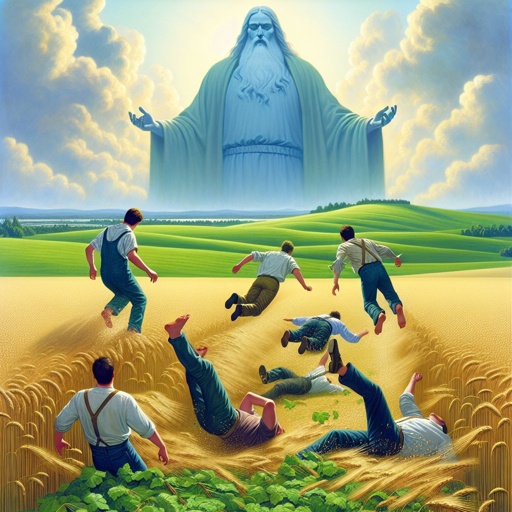
2 Samuel 21:9 - "And he delivered them into the hands of the Gibeonites, and they hanged them in the hill before the LORD: and they fell all seven together, and were put to death in the days of harvest, in the first days, in the beginning of barley harvest."