What does 2 Samuel 4:6 mean?
“And they came thither into the midst of the house, as though they would have fetched wheat; and they smote him under the fifth rib: and Rechab and Baanah his brother escaped.” — 2 Samuel 4:6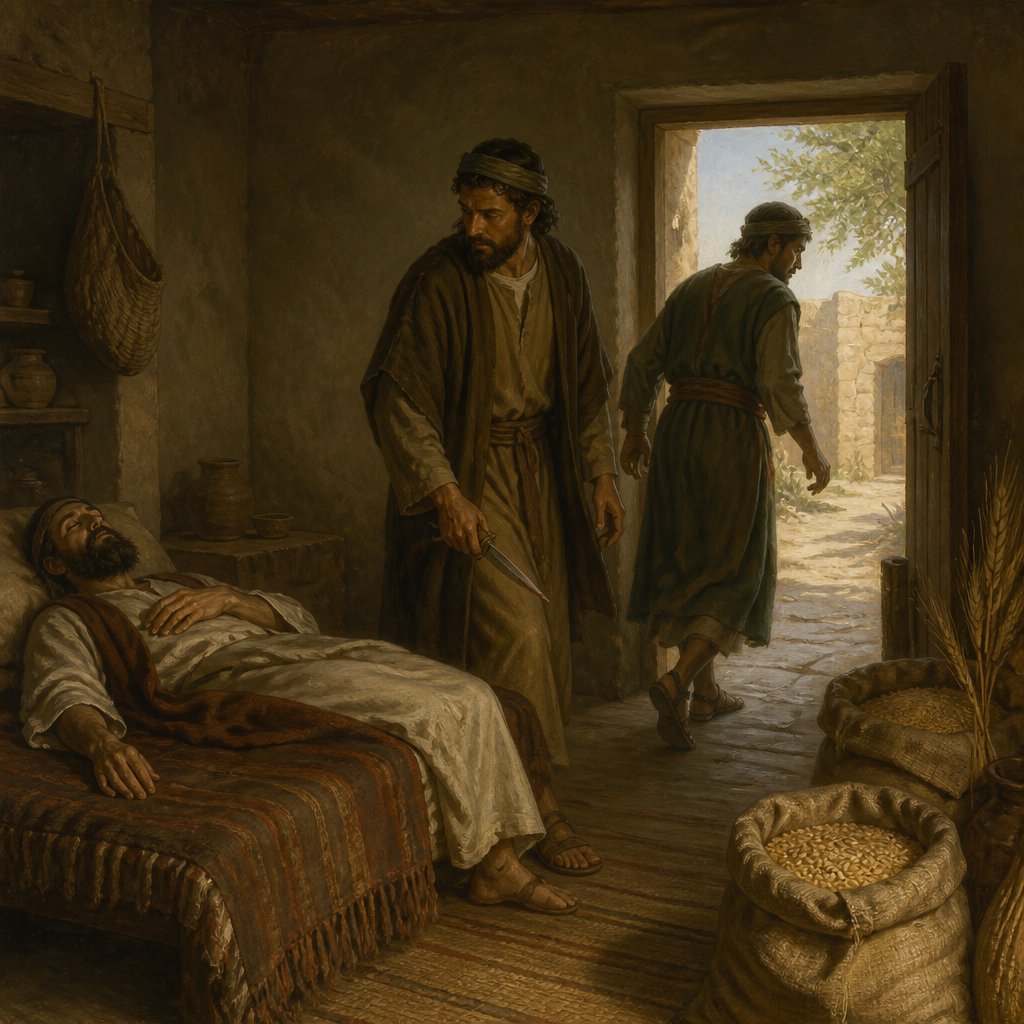
The Bible verse 2 Samuel 4:6 in the King James Version reads, "And they came thither into the midst of the house, as though they would have fetched wheat; and they smote him under the fifth rib: and Rechab and Baanah his brother escaped." This verse is part of a larger narrative in the book of 2 Samuel that recounts the civil war between the house of Saul and the house of David. In this particular instance, it describes the treacherous murder of Ishbosheth, the son of Saul, by two of his own captains.
The verse begins by setting the scene, describing how the two captains, Rechab and Baanah, entered the house without causing suspicion by pretending to be there to fetch wheat. The imagery of fetching wheat may symbolize the mundane and routine nature of their visit, adding to the deceptiveness of their actions. This sets the stage for the act of violence that follows.
The verse goes on to describe how the two captains "smote him under the fifth rib," referring to the fatal blow they delivered to Ishbosheth. The use of this specific detail adds a sense of meticulous planning and calculation to the murder. The fifth rib is located near the heart and is a vulnerable and lethal area to strike, which emphasizes the cruelty and intent of the assassination.
The verse concludes by noting that Rechab and Baanah managed to escape after committing the murder. This detail highlights the cowardice and lack of honor in their actions, as they not only betrayed their own leader but also fled the scene to avoid facing the consequences of their crime.
From a thematic perspective, this verse speaks to the pervasive presence of betrayal and violence in the political landscape of ancient Israel. The house of Saul and the house of David were locked in a power struggle, and this verse illustrates the ruthless tactics employed by those vying for control. It also highlights the fragility of human relationships and the potential for treachery, even among those who are supposed to be allies.
From a contextual standpoint, this verse is part of the larger narrative of King David's rise to power. After the death of Saul, David was anointed as king, but he faced opposition from remaining loyalists to Saul's house. Ishbosheth was installed as a rival king, and his assassination was a significant event in the consolidation of David's reign. The murder of Ishbosheth ultimately brought the house of Saul to an end and solidified David's authority over the entire nation of Israel.
Symbolically, this verse can be seen as a cautionary tale about the destructive consequences of internal strife and ambition. The deceitful actions of Rechab and Baanah serve as a warning about the moral and ethical pitfalls of seeking power at any cost. The image of fetching wheat, a staple food source, juxtaposed with the act of murder, also carries a symbolic weight, speaking to the perversion of basic human needs and the corruption of fundamental values in the pursuit of personal gain.
In conclusion, 2 Samuel 4:6 is a poignant and sobering verse that sheds light on the political intrigue and violence that characterized the ancient world. It serves as a reminder of the enduring themes of betrayal and power struggles, while also offering insights into the complexities of human nature and the consequences of unchecked ambition. Ultimately, this verse can be seen as a timeless reflection on the ethical and moral dilemmas that arise in the pursuit of power and dominance.
Get our apps


Artwork for 2 Samuel 4:6

2 Samuel 4:6 - "And they came thither into the midst of the house, as though they would have fetched wheat; and they smote him under the fifth rib: and Rechab and Baanah his brother escaped."
"And they came thither into the midst of the house, as though they would have fetched wheat; and they smote him under the fifth rib: and Rechab and Baanah his brother escaped." - 2 Samuel 4:6

2 Samuel 6:4 - "And they brought it out of the house of Abinadab which was at Gibeah, accompanying the ark of God: and Ahio went before the ark."

2 Samuel 6:14
1 Samuel 4:2

2 Samuel 10:4

2 Samuel 10:4

2 Samuel 6:14–22

2 Corinthians 4:6

2 Corinthians 4:6

2 Corinthians 4:6

2 Corinthians 4:6

2 Corinthians 4:6

2 Corinthians 4:6

2 Corinthians 4:6

2 Corinthians 4:6

2 Corinthians 4:6

2 Corinthians 4:6

2 Corinthians 4:6

2 Corinthians 4:6

2 Corinthians 4:6

2 Corinthians 4:6

2 Corinthians 4:6

2 Samuel 4:3 - "And the Beerothites fled to Gittaim, and were sojourners there until this day.)"
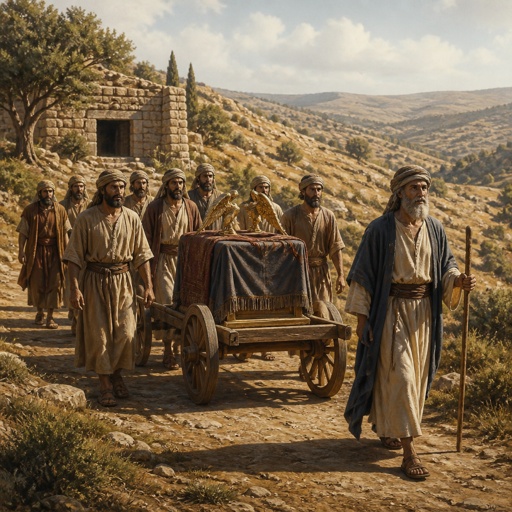
"And they brought it out of the house of Abinadab which was at Gibeah, accompanying the ark of God: and Ahio went before the ark." - 2 Samuel 6:4

2 Samuel 6:6 - "¶ And when they came to Nachon's threshingfloor, Uzzah put forth his hand to the ark of God, and took hold of it; for the oxen shook it."

2 Samuel 6:23 - "Therefore Michal the daughter of Saul had no child unto the day of her death."

1 Samuel 2:4 - "The bows of the mighty men are broken, and they that stumbled are girded with strength."

2 Samuel 17:4 - "And the saying pleased Absalom well, and all the elders of Israel."

2 Samuel 22:6 - "The sorrows of hell compassed me about; the snares of death prevented me;"