What does 2 Samuel 7:20 mean?
“And what can David say more unto thee? for thou, Lord GOD, knowest thy servant.” — 2 Samuel 7:20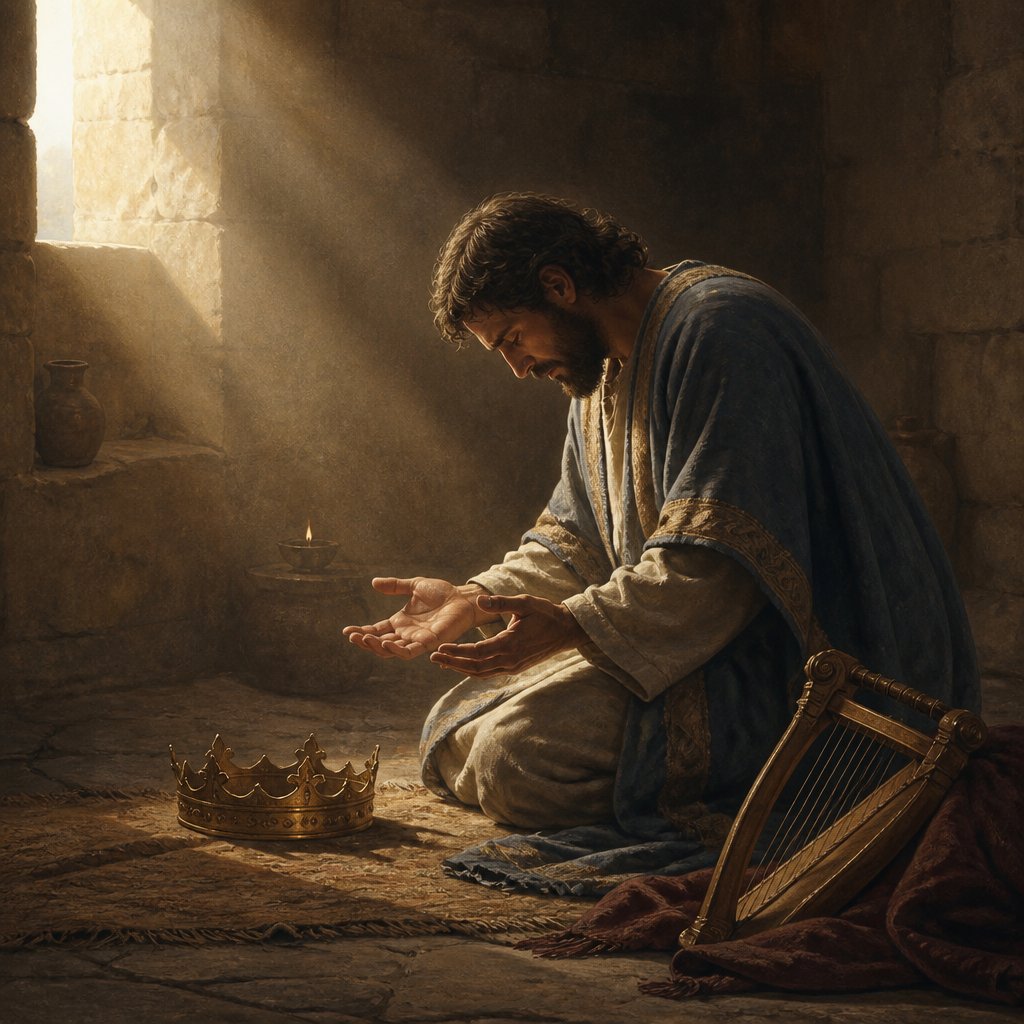
The verse 2 Samuel 7:20 from the King James Version of the Bible reads: "And what can David say more unto thee? for thou, Lord God, knowest thy servant."
This verse comes from a significant passage in the Old Testament, representing a pivotal moment in the life of King David. It occurs in the context of David's desire to build a permanent dwelling place, a temple, for the Ark of the Covenant. Through the prophet Nathan, God had conveyed to David that instead of him building the temple, it would be his son Solomon who would be responsible for this task.
In response to this divine revelation, David expresses his humility and gratitude to God in this specific verse. David acknowledges God's omniscience, recognizing that the Lord knows him intimately as his servant. The verse reveals the depth of David's understanding of his relationship with God, as well as his reverence and awe for the Almighty.
The theme of humility is at the heart of this verse. David, despite being a powerful and influential king, recognizes his own limitations before the Lord. He defers to God's wisdom and accepts His decision regarding the building of the temple. This act of submission and humility sets a powerful example for believers, emphasizing the importance of recognizing and accepting God's will in our lives.
Furthermore, this verse also underscores the theme of God's intimate knowledge of His servants. David's acknowledgment that God knows him perfectly reflects the biblical concept of God's omniscience. This understanding of God's knowledge of each individual carries significant implications for believers, as it provides them with comfort and assurance that they are seen, known, and understood by the Creator of the universe.
In addition to its thematic significance, this verse also holds symbolic value. The phrase "Lord God, knowest thy servant" highlights the personal and relational nature of the God of Israel. It suggests a connection between the divine and the human, emphasizing the closeness and familiarity that can exist between God and His people.
The verse also serves as a reminder of the importance of communication in the relationship between God and His followers. David's words reflect a dialogue with God, demonstrating an open and honest exchange between the human and the divine. This highlights the importance of prayer and communication in nurturing a meaningful relationship with God.
From a broader contextual perspective, this verse is situated within the narrative of God's covenant with David. The entire chapter of 2 Samuel 7 depicts God's promise to establish a lasting dynasty for David and reaffirms His commitment to the people of Israel. David's response in verse 20 serves as a pivotal moment in this covenant relationship, showcasing his willingness to submit to God's will and his gratitude for God's faithfulness.
In conclusion, 2 Samuel 7:20 from the King James Version of the Bible is a poignant verse that captures King David's humility, reverence, and acknowledgment of God's omniscience. It exemplifies the themes of humility, God's intimate knowledge of His servants, and the importance of communication in the relationship between God and His people. As part of the larger context of God's covenant with David, this verse holds significant symbolic and thematic value, reflecting the dynamics of the divine-human relationship and the depth of David's faith and devotion to the Almighty.
Get our apps


Artwork for 2 Samuel 7:20

2 Samuel 7:20 - "And what can David say more unto thee? for thou, Lord GOD, knowest thy servant."
"And what can David say more unto thee? for thou, Lord GOD, knowest thy servant." - 2 Samuel 7:20
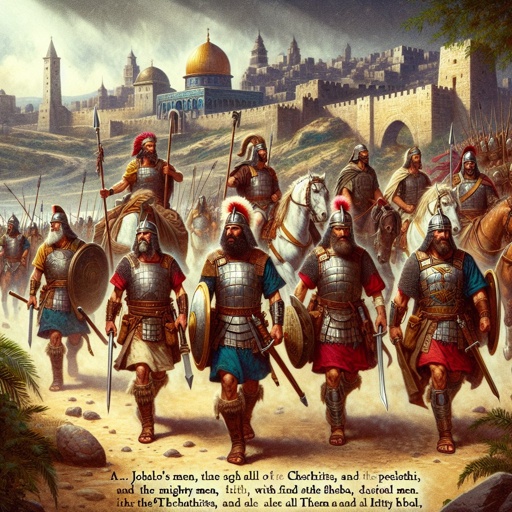
2 Samuel 20:7 - "And there went out after him Joab's men, and the Cherethites, and the Pelethites, and all the mighty men: and they went out of Jerusalem, to pursue after Sheba the son of Bichri."

2 Samuel 7:1–29

2 Samuel 22:17-20

2 Samuel 20:20 - "And Joab answered and said, Far be it, far be it from me, that I should swallow up or destroy."

2 Samuel 20:25 - "And Sheva was scribe: and Zadok and Abiathar were the priests:"

2 Samuel 20:24 - "And Adoram was over the tribute: and Jehoshaphat the son of Ahilud was recorder:"

2 Samuel 20:26 - "And Ira also the Jairite was a chief ruler about David."

2 Samuel 2:20 - "Then Abner looked behind him, and said, Art thou Asahel? And he answered, I am."

2 samuel 9:7 fhdhdhdhhd
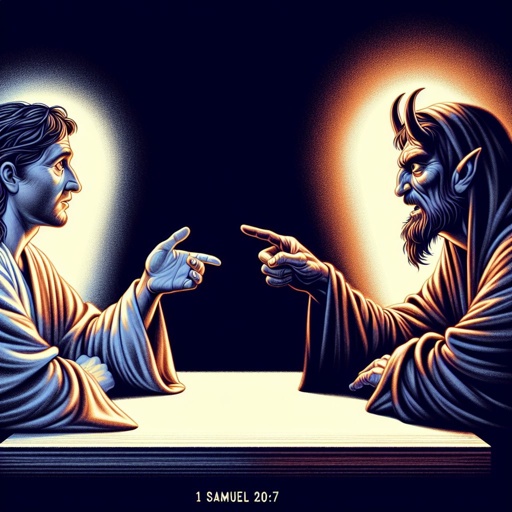
1 Samuel 20:7 - "If he say thus, It is well; thy servant shall have peace: but if he be very wroth, then be sure that evil is determined by him."

2 Samuel 16:20 - "¶ Then said Absalom to Ahithophel, Give counsel among you what we shall do."

2 Samuel 5:7 - "Nevertheless David took the strong hold of Zion: the same is the city of David."

2 Samuel 1:20 - "Tell it not in Gath, publish it not in the streets of Askelon; lest the daughters of the Philistines rejoice, lest the daughters of the uncircumcised triumph."

2 Samuel 20:4 - "¶ Then said the king to Amasa, Assemble me the men of Judah within three days, and be thou here present."

2 Samuel 20:23 - "¶ Now Joab was over all the host of Israel: and Benaiah the son of Jehoiada was over the Cherethites and over the Pelethites:"

2 Samuel 7:4 - "¶ And it came to pass that night, that the word of the LORD came unto Nathan, saying,"

2 Samuel 22:20 - "He brought me forth also into a large place: he delivered me, because he delighted in me."

2 Samuel 10:7 - "And when David heard of it, he sent Joab, and all the host of the mighty men."

1 Samuel 2:7 - "The LORD maketh poor, and maketh rich: he bringeth low, and lifteth up."

2 Samuel 8:7 - "And David took the shields of gold that were on the servants of Hadadezer, and brought them to Jerusalem."

2 Samuel 17:7 - "And Hushai said unto Absalom, The counsel that Ahithophel hath given is not good at this time."

2 Samuel 7:3 - "And Nathan said to the king, Go, do all that is in thine heart; for the LORD is with thee."

2 Samuel 7:17 - "According to all these words, and according to all this vision, so did Nathan speak unto David."

2 Samuel 20:13 - "When he was removed out of the highway, all the people went on after Joab, to pursue after Sheba the son of Bichri."

2 Samuel 3:20 - "So Abner came to David to Hebron, and twenty men with him. And David made Abner and the men that were with him a feast."

2 Samuel 7:2 - "That the king said unto Nathan the prophet, See now, I dwell in an house of cedar, but the ark of God dwelleth within curtains."

"And Sheva was scribe: and Zadok and Abiathar were the priests:" - 2 Samuel 20:25

2 Samuel 20:2 - "So every man of Israel went up from after David, and followed Sheba the son of Bichri: but the men of Judah clave unto their king, from Jordan even to Jerusalem."