What does 2 Samuel 7:23 mean?
"And what one nation in the earth is like thy people, even like Israel, whom God went to redeem for a people to himself, and to make him a name, and to do for you great things and terrible, for thy land, before thy people, which thou redeemedst to thee from Egypt, from the nations and their gods?" - 2 Samuel 7:23
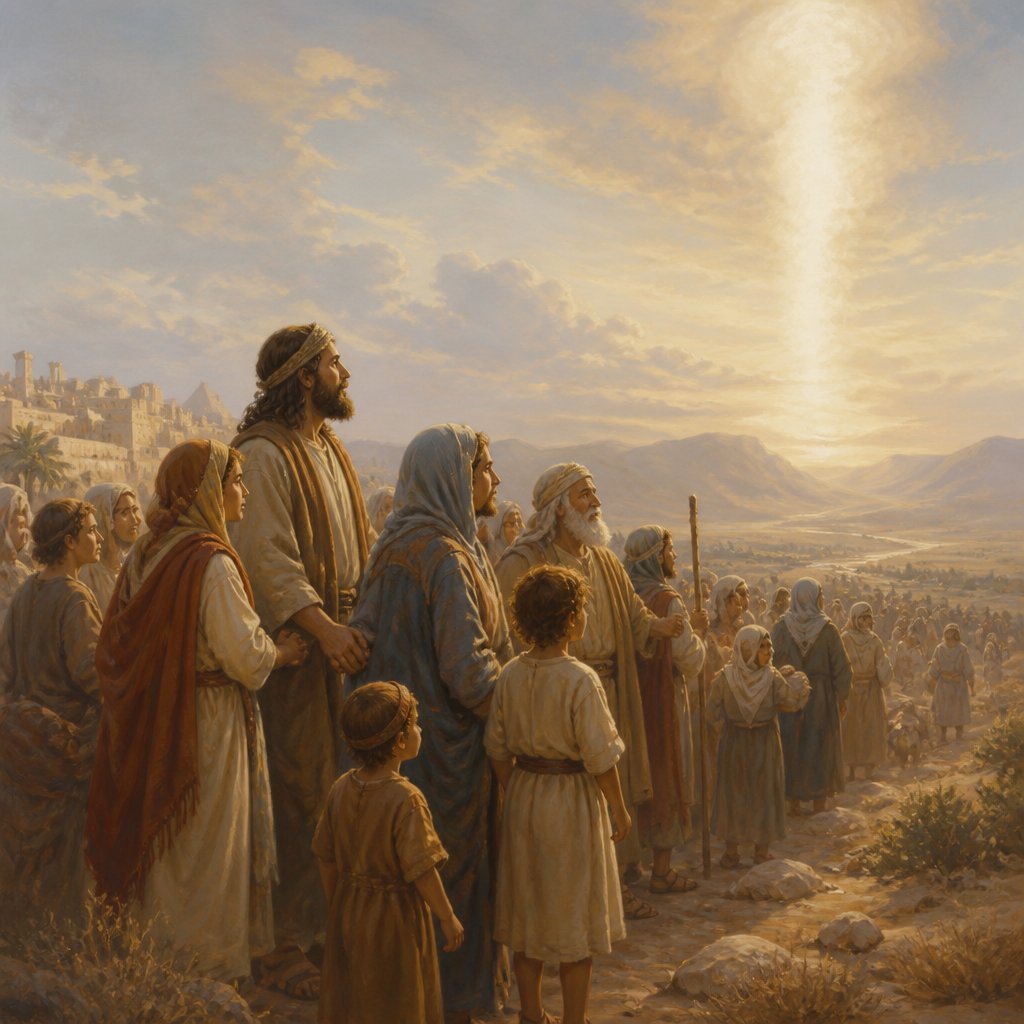
The verse 2 Samuel 7:23 in the King James Version of the Bible reads: "And what one nation in the earth is like thy people, even like Israel, whom God went to redeem for a people to himself, and to make him a name, and to do for you great things and terrible, for thy land, before thy people, which thou redeemedst to thee from Egypt, from the nations and their gods?"
This verse is from a larger passage in the Bible in which David, the king of Israel, expresses his gratitude and awe at God's promise to establish a lasting dynasty for his family. In this particular verse, David is reflecting on the special relationship between God and the people of Israel.
The verse begins with David marveling at the unique status of the nation of Israel. He proclaims, "And what one nation in the earth is like thy people, even like Israel." This statement is a testament to the exceptional nature of Israel as a chosen people of God. Throughout the Old Testament, the Israelites are repeatedly referred to as God's chosen people, set apart for a special purpose.
David then acknowledges the redemptive work of God in the history of Israel. He acknowledges that it was God who went to redeem the people for Himself. This redemption refers to God's deliverance of the Israelites from slavery in Egypt, an event of utmost importance in Jewish history. This act of redemption established the covenant relationship between God and the people of Israel, laying the foundation for the nation as a whole.
The verse continues by highlighting God's purpose in redeeming the people of Israel. It states that God redeemed the people to make a name for Himself, emphasizing the divine intent behind the redemptive act. This purpose is further emphasized when David acknowledges that God did great things and terrible for the land and the people of Israel. The word "terrible" in this context does not necessarily convey negative connotations, but rather awe-inspiring or extraordinary.
Moreover, the verse also highlights the significance of the land of Israel as a central component of the covenant relationship. It emphasizes God's faithfulness in fulfilling His promises to the people by redeeming them from Egypt and from the influence of other nations and their gods.
The themes present in this verse include the uniqueness of the nation of Israel, God's redemptive work, His faithfulness to His promises, and the covenant relationship between God and His chosen people. These themes are essential in understanding the broader narrative of God's interaction with His people throughout the Bible.
The context of this verse is significant, as it comes at a pivotal point in the history of Israel. David, the king chosen by God, is expressing gratitude for the promise of an enduring dynasty for his family. This promise serves as a testament to God's commitment to His chosen people and His divine plan for their future.
Symbolism in this verse can be found in the imagery of redemption and the establishment of a lasting covenant. The redemption of the Israelites from slavery in Egypt serves as a powerful symbol of God's deliverance and His faithfulness to His promises. The land of Israel itself symbolizes the inheritance and blessings that God has bestowed upon His people.
In conclusion, 2 Samuel 7:23 in the King James Version of the Bible encapsulates the grandeur of God's redemptive work and His covenant relationship with the people of Israel. The verse reflects the exceptional nature of Israel as a chosen nation and emphasizes God's faithfulness in fulfilling His promises. It serves as a reminder of God's enduring love and commitment to His people, and it invites believers to reflect on the transformative power of divine redemption and the significance of the covenant relationship with God.
Have questions about 2 Samuel 7:23?
Dive deeper into this scripture with Bible Chat — an AI-powered tool for exploring God's Word through conversation. Ask questions, get context, and grow in your understanding of the Bible.
Get Our Apps


2 Samuel 7:23 Artwork
2 Samuel 7:23 - "And what one nation in the earth is like thy people, even like Israel, whom God went to redeem for a people to himself, and to make him a name, and to do for you great things and terrible, for thy land, before thy people, which thou redeemedst to thee from Egypt, from the nations and their gods?"
"And what one nation in the earth is like thy people, even like Israel, whom God went to redeem for a people to himself, and to make him a name, and to do for you great things and terrible, for thy land, before thy people, which thou redeemedst to thee from Egypt, from the nations and their gods?" - 2 Samuel 7:23

2 Samuel 23:7 - "But the man that shall touch them must be fenced with iron and the staff of a spear; and they shall be utterly burned with fire in the same place."

2 Samuel 23:38 - "Ira an Ithrite, Gareb an Ithrite,"

2 Samuel 23:28 - "Zalmon the Ahohite, Maharai the Netophathite,"

2 Samuel 23:35 - "Hezrai the Carmelite, Paarai the Arbite,"

2 Samuel 23:27 - "Abiezer the Anethothite, Mebunnai the Hushathite,"

2 Samuel 23:25 - "Shammah the Harodite, Elika the Harodite,"

2 Samuel 23:2 - "The Spirit of the LORD spake by me, and his word was in my tongue."

2 Samuel 7:1–29

2 Samuel 23:31 - "Abi-albon the Arbathite, Azmaveth the Barhumite,"

2 Samuel 23:39 - "Uriah the Hittite: thirty and seven in all."

2 Samuel 23:30 - "Benaiah the Pirathonite, Hiddai of the brooks of Gaash,"

2 samuel 23:8-21

2 Samuel 23:32 - "Eliahba the Shaalbonite, of the sons of Jashen, Jonathan,"

2 Samuel 23:33 - "Shammah the Hararite, Ahiam the son of Sharar the Hararite,"

2 Samuel 23:14 - "And David was then in an hold, and the garrison of the Philistines was then in Beth-lehem."

2 Samuel 23:26 - "Helez the Paltite, Ira the son of Ikkesh the Tekoite,"

2 Samuel 23:36 - "Igal the son of Nathan of Zobah, Bani the Gadite,"

2 Samuel 23:23 - "He was more honourable than the thirty, but he attained not to the first three. And David set him over his guard."

2 Samuel 14:23 - "So Joab arose and went to Geshur, and brought Absalom to Jerusalem."

2 Samuel 23:37 - "Zelek the Ammonite, Naharai the Beerothite, armourbearer to Joab the son of Zeruiah,"

2 Samuel 6:23 - "Therefore Michal the daughter of Saul had no child unto the day of her death."

2 Samuel 23:34 - "Eliphelet the son of Ahasbai, the son of the Maachathite, Eliam the son of Ahithophel the Gilonite,"
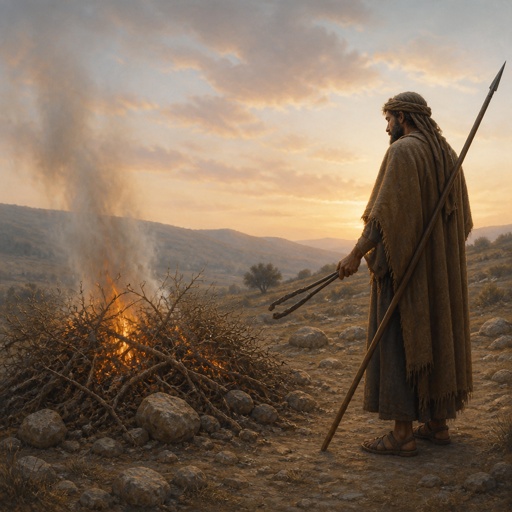
"But the man that shall touch them must be fenced with iron and the staff of a spear; and they shall be utterly burned with fire in the same place." - 2 Samuel 23:7

2 Samuel 23:24 - "Asahel the brother of Joab was one of the thirty; Elhanan the son of Dodo of Beth-lehem,"

2 samuel 9:7 fhdhdhdhhd

2 Samuel 23:29 - "Heleb the son of Baanah, a Netophathite, Ittai the son of Ribai out of Gibeah of the children of Benjamin,"

2 Samuel 23:12 - "But he stood in the midst of the ground, and defended it, and slew the Philistines: and the LORD wrought a great victory."

"Shammah the Harodite, Elika the Harodite," - 2 Samuel 23:25