What does Acts 10:9 mean?
“On the morrow, as they went on their journey, and drew nigh unto the city, Peter went up upon the housetop to pray about the sixth hour:” — Acts 10:9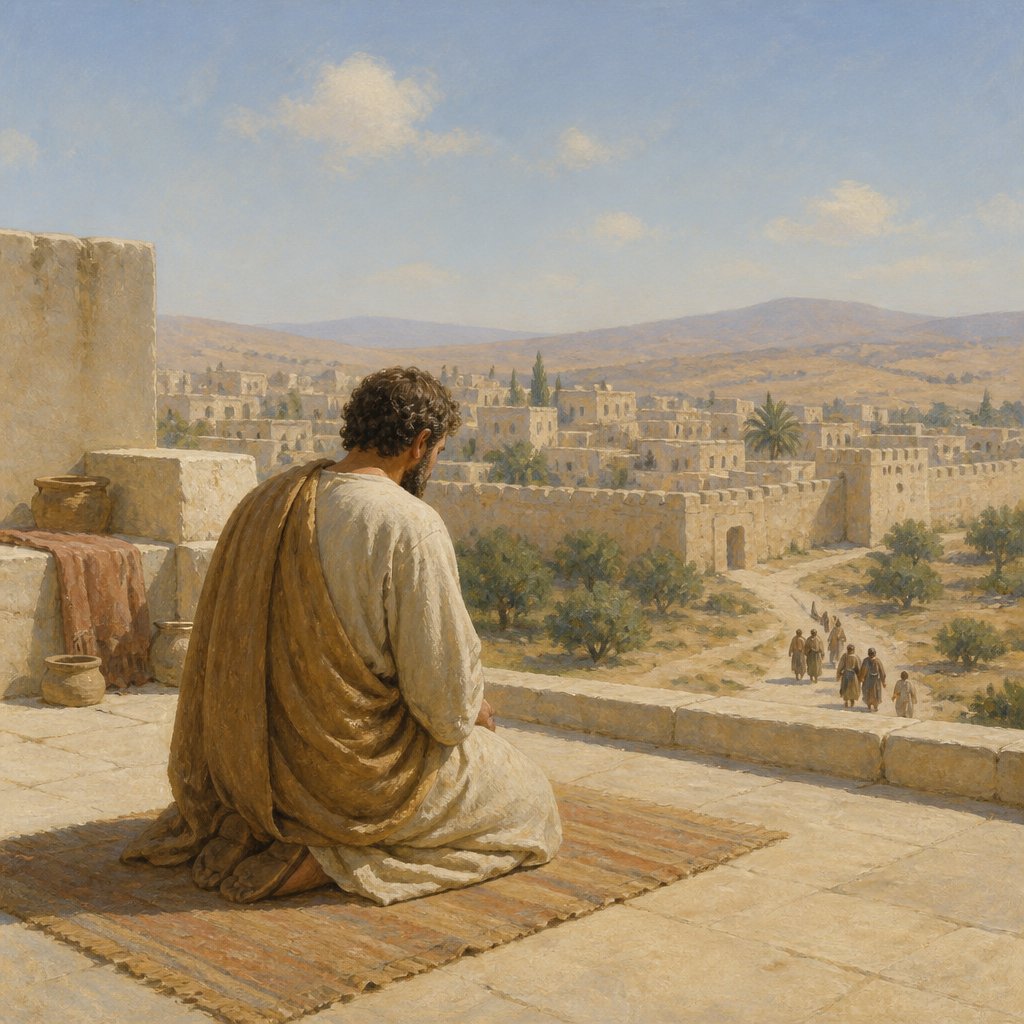
The Bible verse Acts 10:9 in the King James Version reads, "On the morrow, as they went on their journey, and drew nigh unto the city, Peter went up upon the housetop to pray about the sixth hour." This passage comes from the book of Acts, which is the fifth book of the New Testament. It tells the story of the early Christian church and the spread of the Gospel message throughout the world.
In this particular verse, we see Peter, one of the disciples of Jesus, going up to the housetop to pray. The context of this verse is important in understanding its significance. At this point in the book of Acts, Peter has been sent by God to preach the Gospel to the Gentiles, specifically to a man named Cornelius. This was a significant moment in the early church, as it marked the beginning of the Gospel being preached to non-Jewish people.
The theme of this verse is prayer and guidance from God. Peter goes up to the housetop to pray, seeking direction and guidance from the Lord. This act of prayer is significant, as it demonstrates Peter's reliance on God and his desire to be obedient to God's will. It also serves as a reminder to us as believers of the importance of prayer in seeking God's will for our lives.
The housetop holds symbolic significance in this passage. In biblical times, the housetop was often a place of solitude and prayer. It was a place where one could go to seek refuge from the busyness of daily life and commune with God. By going up to the housetop to pray, Peter is demonstrating a desire for intimacy with God and a willingness to set aside time for communion with Him.
The timing of Peter's prayer is also significant. The verse tells us that he went up to the housetop to pray about the sixth hour, which would have been around noon. In Jewish tradition, this was a significant time for prayer, as it was the time of the daily offering in the temple. By praying at this specific time, Peter is aligning himself with the rhythms of the Jewish faith and seeking God's presence in a time of ritual significance.
The imagery of going up to the housetop to pray also carries symbolic weight. In the Bible, the act of going up to a high place often represents drawing closer to God and seeking His presence. This imagery is echoed in other parts of the Bible, such as when Moses goes up to Mount Sinai to receive the Ten Commandments or when Elijah goes up to the mountain to encounter God. By going up to the housetop to pray, Peter is symbolically seeking a higher perspective and a deeper connection with God.
Overall, Acts 10:9 is a powerful reminder of the importance of prayer and seeking God's guidance in our lives. It also serves as a reminder of the significance of sacred spaces and times for prayer. Through Peter's example, we are encouraged to seek God in times of decision and uncertainty, knowing that He is faithful to guide us and provide for us according to His will.
Get our apps


Artwork for Acts 10:9

Acts 10:9 - "¶ On the morrow, as they went on their journey, and drew nigh unto the city, Peter went up upon the housetop to pray about the sixth hour:"
"¶ On the morrow, as they went on their journey, and drew nigh unto the city, Peter went up upon the housetop to pray about the sixth hour:" - Acts 10:9

Acts 9:10 - "¶ And there was a certain disciple at Damascus, named Ananias; and to him said the Lord in a vision, Ananias. And he said, Behold, I am here, Lord."

Acts 18:9-10 - "And the Lord said to Paul one night in a vision, 'Do not be afraid, but go on speaking and do not be silent, for I am with you, and no one will attack you to harm you, for I have many in this city who are my people.'"

Acts 9:9 - "And he was three days without sight, and neither did eat nor drink."

Acts 9:1-20

Acts 9:1-20

acts 10:44-46

Acts 10:10 - "And he became very hungry, and would have eaten: but while they made ready, he fell into a trance,"
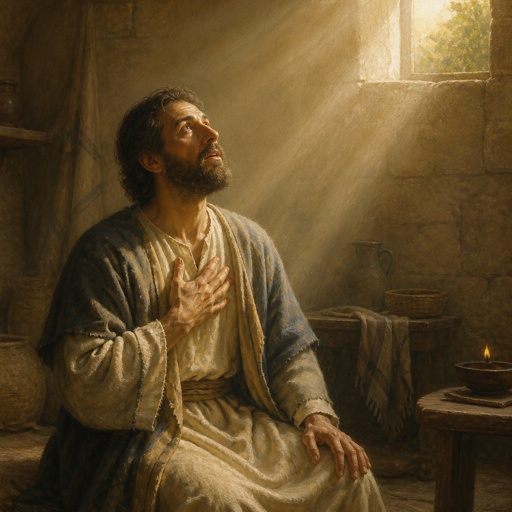
"¶ And there was a certain disciple at Damascus, named Ananias; and to him said the Lord in a vision, Ananias. And he said, Behold, I am here, Lord." - Acts 9:10

Acts 9:28 - "And he was with them coming in and going out at Jerusalem."
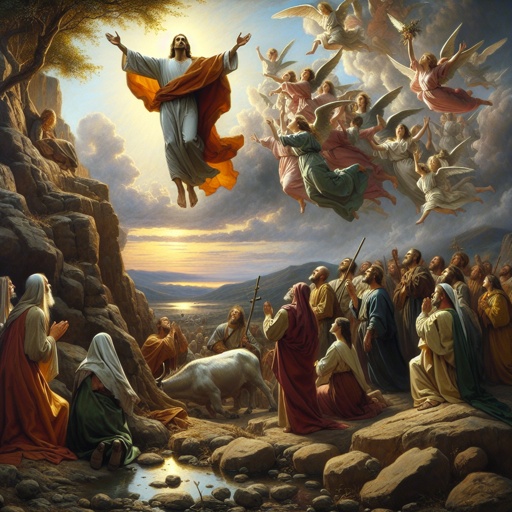
Psalm 10:9-10

Psalm 10:9-10

Acts 3:9 - "And all the people saw him walking and praising God:"

Acts 24:9 - "And the Jews also assented, saying that these things were so."

Acts 9:42 - "And it was known throughout all Joppa; and many believed in the Lord."

Acts 10:16 - "This was done thrice: and the vessel was received up again into heaven."

Acts 9:35 - "And all that dwelt at Lydda and Saron saw him, and turned to the Lord."

Acts 15:9 - "And put no difference between us and them, purifying their hearts by faith."

Acts 9:20 - "And straightway he preached Christ in the synagogues, that he is the Son of God."

Acts 7:9 - "And the patriarchs, moved with envy, sold Joseph into Egypt: but God was with him,"

Acts 6:10 - "And they were not able to resist the wisdom and the spirit by which he spake."

Acts 10:46 - "For they heard them speak with tongues, and magnify God. Then answered Peter,"

Acts 21:9 - "And the same man had four daughters, virgins, which did prophesy."

Acts 17:9 - "And when they had taken security of Jason, and of the other, they let them go."

Acts 9:25 - "Then the disciples took him by night, and let him down by the wall in a basket."

Acts 2:9 - "Parthians, and Medes, and Elamites, and the dwellers in Mesopotamia, and in Judaea, and Cappadocia, in Pontus, and Asia,"

Acts 11:10 - "And this was done three times: and all were drawn up again into heaven."

Acts 10:40 - "Him God raised up the third day, and shewed him openly;"

Acts 10:35 - "But in every nation he that feareth him, and worketh righteousness, is accepted with him."