What does Acts 12:9 mean?
"And he went out, and followed him; and wist not that it was true which was done by the angel; but thought he saw a vision." - Acts 12:9
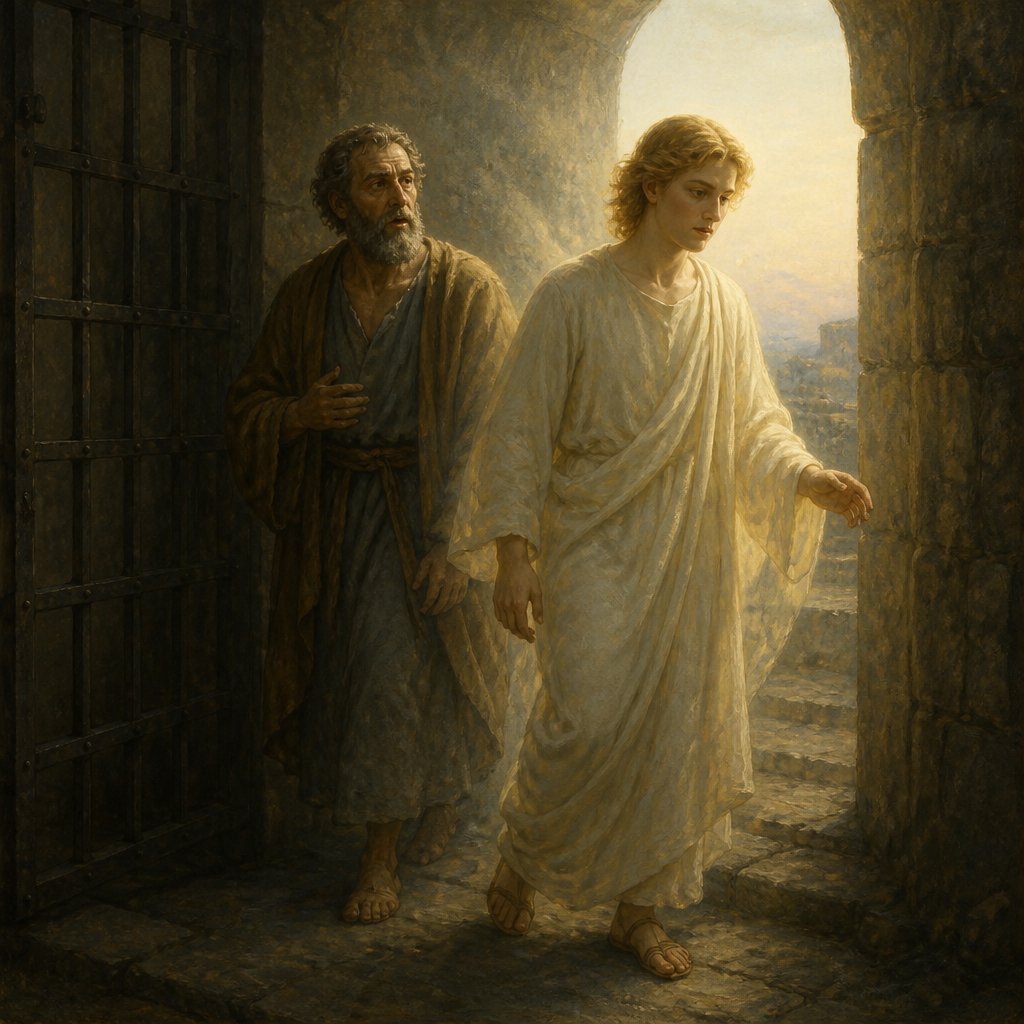
The Bible verse Acts 12:9 from the King James Version (KJV) reads: "And he went out, and followed him; and wist not that it was true which was done by the angel; but thought he saw a vision." This passage comes from the New Testament book of Acts, which details the acts of the apostles and the early Christian church after the death and resurrection of Jesus.
To fully understand the meaning and commentary of this verse, it is important to examine the context in which it is found. The verse is part of the larger story of Peter's miraculous escape from prison. King Herod had arrested Peter with the intent of putting him on trial after James, the brother of John, had been executed. The early church was fervently praying for Peter's release, and God sent an angel to rescue him. In Acts 12:7-8, it says, "And, behold, the angel of the Lord came upon him, and a light shined in the prison: and he smote Peter on the side, and raised him up, saying, Arise up quickly. And his chains fell off from his hands. And the angel said unto him, Gird thyself, and bind on thy sandals. And so he did. And he saith unto him, Cast thy garment about thee, and follow me."
The verse in question, Acts 12:9, describes Peter's reaction to the angel's rescue. He followed the angel, but initially did not realize that what was happening was real. He thought he was experiencing a vision rather than a tangible, physical escape from prison. This highlights Peter's incredulity at the miraculous intervention of God. It also underscores the divine nature of the rescue and the unexpected manner in which it occurred.
One of the key themes in this passage is the idea of divine intervention and the power of prayer. The early church was facing persecution, and yet they fervently prayed for Peter's deliverance. This passage underscores the importance of faith and the belief in the power of God to perform miracles. It also highlights the unexpected ways in which God can work in the lives of believers. Peter's incredulity at the reality of his escape serves as a reminder that God's interventions often exceed human understanding and expectation.
Another theme present in this passage is the idea of spiritual vision and discernment. Peter initially thought he was seeing a vision, indicating that he was not immediately able to discern the reality of his situation. This emphasizes the need for spiritual discernment and the ability to perceive God's hand at work in our lives. It also speaks to the idea of faith in the unseen and belief in the miraculous.
Symbolism is also prevalent in this verse. The angel's appearance and Peter's reaction symbolize the spiritual battle between good and evil, as well as the triumph of God's divine will. The chains falling off Peter's hands symbolize his liberation from captivity and the power of God to break the bonds of oppression. The entire account serves as a symbol of hope and deliverance for believers facing persecution and hardship.
In conclusion, Acts 12:9 from the King James Version offers a powerful and profound message about the nature of faith, divine intervention, and the unexpected ways in which God works in the lives of believers. It emphasizes the importance of prayer, faith in the miraculous, and spiritual discernment. The passage also carries rich symbolism that speaks to the spiritual battles faced by believers and the ultimate triumph of God's will. This verse continues to inspire and encourage Christians to trust in the power of God to intervene in their lives in ways that defy human understanding.
Have questions about Acts 12:9?
Dive deeper into this scripture with Bible Chat — an AI-powered tool for exploring God's Word through conversation. Ask questions, get context, and grow in your understanding of the Bible.
Get Our Apps


Acts 12:9 Artwork

Acts 12:9 - "And he went out, and followed him; and wist not that it was true which was done by the angel; but thought he saw a vision."
"And he went out, and followed him; and wist not that it was true which was done by the angel; but thought he saw a vision." - Acts 12:9

Acts 9:12 - "And hath seen in a vision a man named Ananias coming in, and putting his hand on him, that he might receive his sight."

Acts 18:12

Acts 28:12

Acts 18:12

Acts 9:9 - "And he was three days without sight, and neither did eat nor drink."

Acts 4:8-12

acts 20:7-12

Acts 9:1-20

Acts 9:1-20

Acts 12:24 - "¶ But the word of God grew and multiplied."
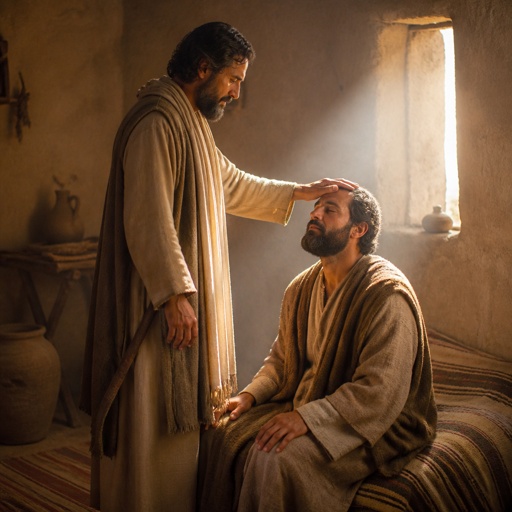
"And hath seen in a vision a man named Ananias coming in, and putting his hand on him, that he might receive his sight." - Acts 9:12

Acts 12:2 - "And he killed James the brother of John with the sword."

Acts 28:12 - "And landing at Syracuse, we tarried there three days."

Acts 9:28 - "And he was with them coming in and going out at Jerusalem."

Acts 12:22 - "And the people gave a shout, saying, It is the voice of a god, and not of a man."

Acts 20:12 - "And they brought the young man alive, and were not a little comforted."

Acts 3:9 - "And all the people saw him walking and praising God:"

Acts 24:9 - "And the Jews also assented, saying that these things were so."

Acts 9:42 - "And it was known throughout all Joppa; and many believed in the Lord."

Acts 9:35 - "And all that dwelt at Lydda and Saron saw him, and turned to the Lord."

Acts 15:9 - "And put no difference between us and them, purifying their hearts by faith."

Acts 9:20 - "And straightway he preached Christ in the synagogues, that he is the Son of God."

Acts 7:9 - "And the patriarchs, moved with envy, sold Joseph into Egypt: but God was with him,"

Acts 12:13 - "And as Peter knocked at the door of the gate, a damsel came to hearken, named Rhoda."

Acts 14:12 - "And they called Barnabas, Jupiter; and Paul, Mercurius, because he was the chief speaker."

Acts 26:12 - "Whereupon as I went to Damascus with authority and commission from the chief priests,"

Acts 21:9 - "And the same man had four daughters, virgins, which did prophesy."

Acts 17:9 - "And when they had taken security of Jason, and of the other, they let them go."