What does Acts 13:2 mean?
"As they ministered to the Lord, and fasted, the Holy Ghost said, Separate me Barnabas and Saul for the work whereunto I have called them." - Acts 13:2
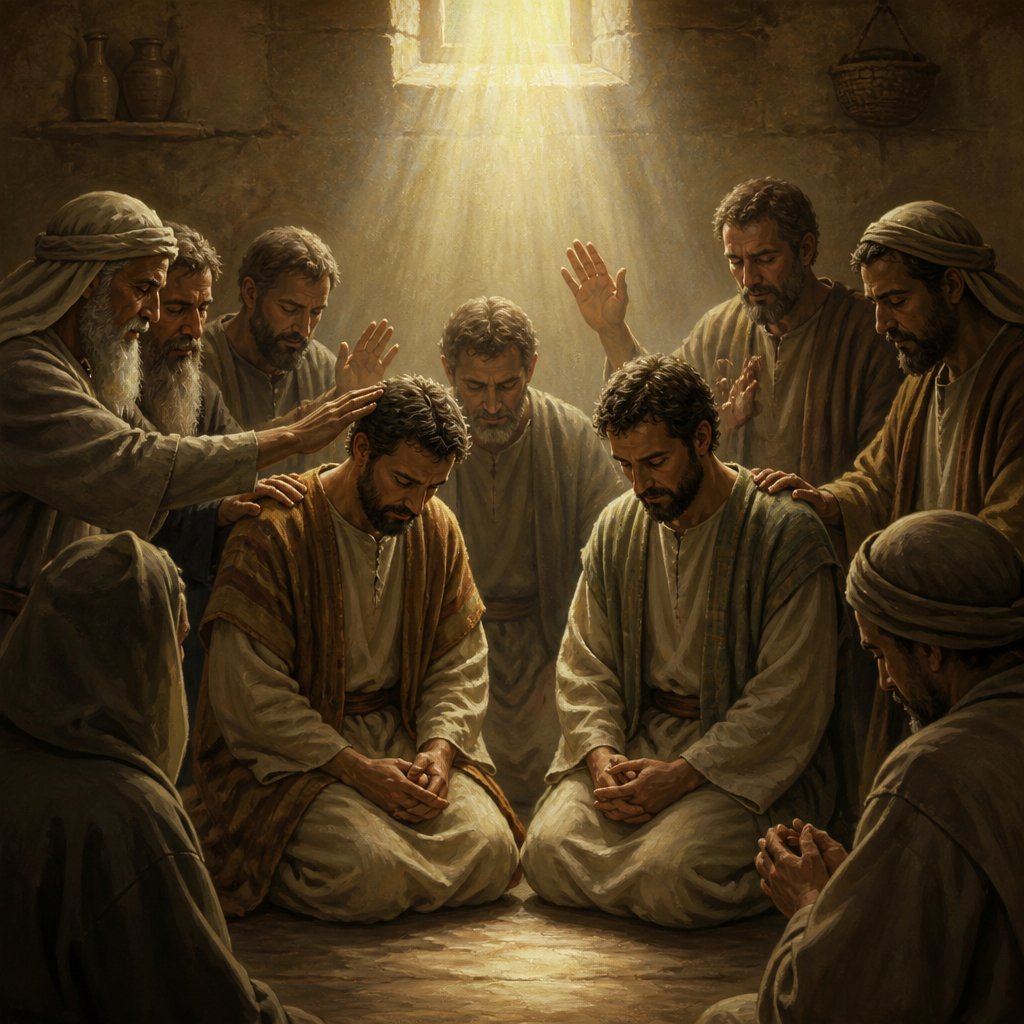
Acts 13:2 (KJV): "As they ministered to the Lord, and fasted, the Holy Ghost said, Separate me Barnabas and Saul for the work whereunto I have called them."
This verse from the book of Acts describes a pivotal moment in the early Christian church, when the Holy Spirit revealed a specific mission for Barnabas and Saul (later known as the apostle Paul). The verse holds profound significance within the broader context of the Book of Acts and the New Testament as a whole, offering insights into themes of divine calling, spiritual discernment, and the role of the Holy Spirit in the life of believers.
The verse begins by setting the scene: the believers are ministering to the Lord and fasting. This implies a deep level of devotion and spiritual commitment, as they seek to draw closer to God through prayer and self-denial. Fasting is a common practice in many religious traditions, often seen as a way to heighten spiritual awareness and connect with the divine on a deeper level. In this context, the believers are not only seeking God's guidance, but also demonstrating their willingness to sacrifice personal comforts for the sake of their faith.
It is during this time of devotion and fasting that the Holy Ghost speaks, instructing the believers to "Separate me Barnabas and Saul for the work whereunto I have called them." This direct communication from the Holy Spirit underscores the belief held by early Christians that God actively guides and directs His followers through the indwelling presence of the Holy Spirit. The believers have cultivated an atmosphere of spiritual sensitivity through their acts of devotion, and in response, God reveals His specific plan for the ministry of Barnabas and Saul.
The act of "separating" Barnabas and Saul carries several layers of meaning. On one level, it signifies the setting apart of these two individuals for a specific purpose or mission. This act of separation emphasizes the divine calling and unique role that God has ordained for them, highlighting the idea that God has a distinct plan for each person's life and ministry. It also implies a level of consecration, as Barnabas and Saul are being set apart for holy work in service to God. This act of separation represents a turning point in their lives, as they are being commissioned for a special task by the guidance of the Holy Spirit.
The verse also underscores the theme of obedience to divine calling. When the Holy Spirit speaks, the believers act in accordance with His direction, demonstrating their willingness to submit to God's will. This model of obedient response to the leading of the Holy Spirit serves as an example for all believers, highlighting the importance of discerning and following God's guidance in their own lives.
Furthermore, the verse serves as a powerful symbol of the inclusive nature of the early Christian church. Barnabas, a Jewish Levite from Cyprus, and Saul, a former persecutor of Christians from Tarsus, are both chosen by the Holy Spirit for this significant mission. This demonstrates that God's grace and calling are not limited by ethnic background or past actions. The work of the Holy Spirit transcends cultural and religious barriers, unifying believers from diverse backgrounds in their shared mission of spreading the gospel.
In conclusion, Acts 13:2 encapsulates key themes of divine calling, spiritual discernment, obedience, and the inclusive nature of the early Christian church. It serves as a powerful reminder of the ongoing work of the Holy Spirit in guiding and directing the lives of believers, as well as an example of the principles of devotion, fasting, and obedience as essential aspects of the Christian life. This verse continues to inspire and challenge believers today as they seek to discern and fulfill God's specific calling in their own lives.
Have questions about Acts 13:2?
Dive deeper into this scripture with Bible Chat — an AI-powered tool for exploring God's Word through conversation. Ask questions, get context, and grow in your understanding of the Bible.
Get Our Apps


Acts 13:2 Artwork

Acts 13:2 - "As they ministered to the Lord, and fasted, the Holy Ghost said, Separate me Barnabas and Saul for the work whereunto I have called them."
"As they ministered to the Lord, and fasted, the Holy Ghost said, Separate me Barnabas and Saul for the work whereunto I have called them." - Acts 13:2

Acts 2:13 - "Others mocking said, These men are full of new wine."

2 Chronicles 13:22 - "And the rest of the acts of Abijah, and his ways, and his sayings, are written in the story of the prophet Iddo."

2 Kings 13:8 - "¶ Now the rest of the acts of Jehoahaz, and all that he did, and his might, are they not written in the book of the chronicles of the kings of Israel?"
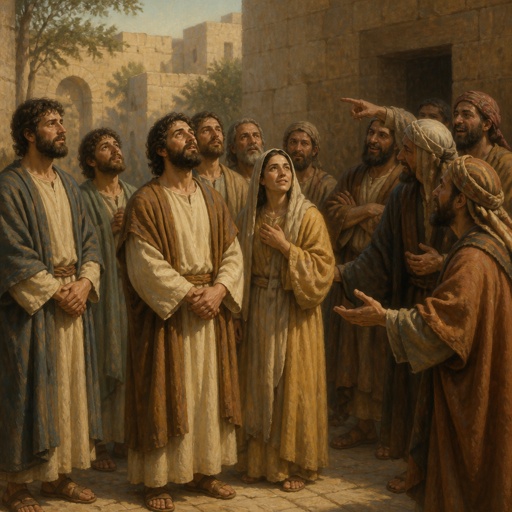
"Others mocking said, These men are full of new wine." - Acts 2:13

2 Kings 13:12 - "And the rest of the acts of Joash, and all that he did, and his might wherewith he fought against Amaziah king of Judah, are they not written in the book of the chronicles of the kings of Israel?"

Acts 13:43

Acts 13:30 - "But God raised him from the dead:"
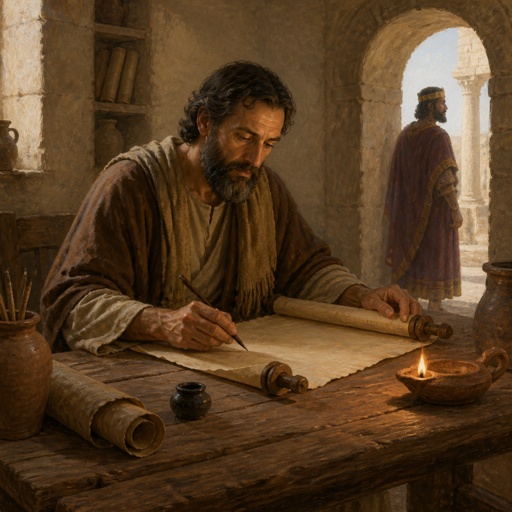
"And the rest of the acts of Abijah, and his ways, and his sayings, are written in the story of the prophet Iddo." - 2 Chronicles 13:22

Acts 2:2

Acts 13:49 - "And the word of the Lord was published throughout all the region."

Acts 13:52 - "And the disciples were filled with joy, and with the Holy Ghost."

Acts 2:2

Acts 13:37 - "But he, whom God raised again, saw no corruption."

Philippians 2:13 - "For it is God which worketh in you both to will and to do of his good pleasure."

Acts 13:13 - "Now when Paul and his company loosed from Paphos, they came to Perga in Pamphylia: and John departing from them returned to Jerusalem."

Acts 18:13 - "Saying, This fellow persuadeth men to worship God contrary to the law."

Acts 23:13 - "And they were more than forty which had made this conspiracy."

Acts 24:13 - "Neither can they prove the things whereof they now accuse me."

Acts 13:18 - "And about the time of forty years suffered he their manners in the wilderness."

2 Peter 2:13 - "And shall receive the reward of unrighteousness, as they that count it pleasure to riot in the day time. Spots they are and blemishes, sporting themselves with their own deceivings while they feast with you;"

Acts 13:40 - "Beware therefore, lest that come upon you, which is spoken of in the prophets;"

Acts 5:13 - "And of the rest durst no man join himself to them: but the people magnified them."

Acts 13:51 - "But they shook off the dust of their feet against them, and came unto Iconium."

Acts 12:13 - "And as Peter knocked at the door of the gate, a damsel came to hearken, named Rhoda."

Acts 13:3 - "And when they had fasted and prayed, and laid their hands on them, they sent them away."

Acts 2:2-3

Acts 2:2-3

"¶ Now the rest of the acts of Jehoahaz, and all that he did, and his might, are they not written in the book of the chronicles of the kings of Israel?" - 2 Kings 13:8