What does Acts 13:27 mean?
"For they that dwell at Jerusalem, and their rulers, because they knew him not, nor yet the voices of the prophets which are read every sabbath day, they have fulfilled them in condemning him." - Acts 13:27
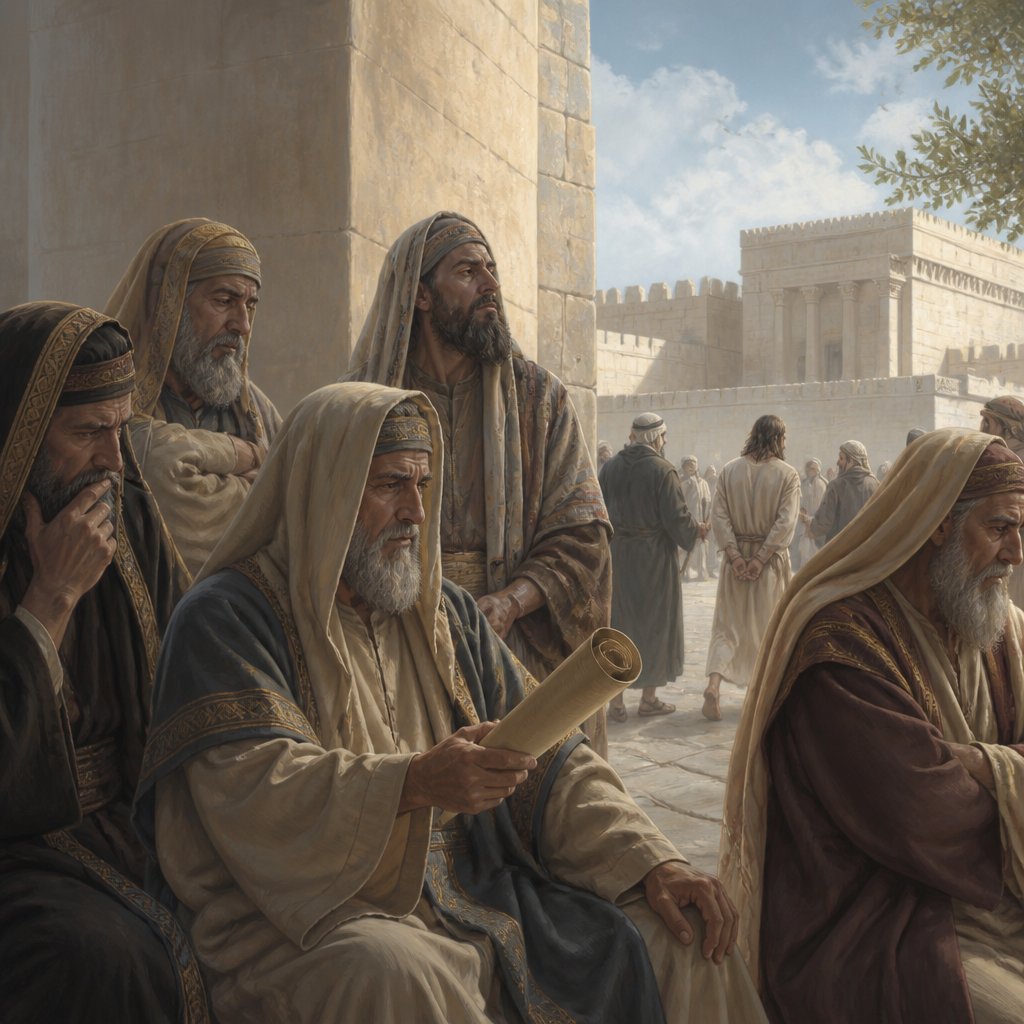
The Bible verse Acts 13:27 from the King James Version (KJV) states, "For they that dwell at Jerusalem, and their rulers, because they knew him not, nor yet the voice of the prophets which are read every sabbath day, they have fulfilled them in condemning him." This verse comes from the Book of Acts, which is the fifth book of the New Testament and is attributed to the Apostle Luke. It is a significant verse that speaks to the rejection and condemnation of Jesus Christ by the people of Jerusalem, particularly their rulers.
The context of this verse is a speech given by the Apostle Paul in the synagogue in Antioch. In this speech, Paul is addressing a mixed audience of Jews and God-fearing Gentiles, recounting the history of Israel and emphasizing the role of Jesus Christ as the Messiah. He points out the rejection and condemnation of Jesus by the people of Jerusalem and their rulers, highlighting their failure to recognize Him as the fulfillment of the prophecies in the Old Testament.
One of the key themes of this verse is the fulfillment of prophecy. The rejection and condemnation of Jesus by the people of Jerusalem and their rulers was foretold by the prophets, and Paul emphasizes that this rejection ultimately fulfilled those prophecies. This theme underscores the sovereignty of God and His divine plan, as well as the faithfulness of God to His promises. It also serves as a reminder to the audience of the speech that Jesus' sacrificial death was not a random event, but rather a fulfillment of God's prophetic word.
Another important theme in this verse is the blindness and ignorance of the people of Jerusalem and their rulers. Paul emphasizes that they "knew him not, nor yet the voice of the prophets which are read every sabbath day." This ignorance and failure to recognize the voice of the prophets ultimately led to their rejection of Jesus and their fulfillment of the prophecies through His condemnation. This theme speaks to the spiritual blindness and hardness of heart that can prevent people from recognizing the truth of God's word and His redemptive plan. It also serves as a warning against the dangers of spiritual pride and self-righteousness, which can lead to a rejection of God's truth.
Symbolism is also present in this verse, particularly in the portrayal of Jerusalem and its rulers as representatives of the spiritual leadership of Israel. Their rejection and condemnation of Jesus symbolize the broader rejection of Jesus by the Jewish people as a whole, as well as a reflection of the rejection of Jesus by humanity in general. This symbolism serves to highlight the universal significance of Jesus' rejection and crucifixion, as well as the broader theological implications of His sacrificial death for the redemption of all people.
In conclusion, Acts 13:27 from the King James Version of the Bible is a significant verse that speaks to the rejection and condemnation of Jesus Christ by the people of Jerusalem and their rulers. It highlights themes of the fulfillment of prophecy, spiritual blindness and ignorance, and the symbolism of Jesus' rejection as representative of humanity's rejection of God's truth. This verse serves as a powerful reminder of the importance of recognizing and responding to the voice of God's prophets and the fulfillment of His redemptive plan through Jesus Christ.
Have questions about Acts 13:27?
Dive deeper into this scripture with Bible Chat — an AI-powered tool for exploring God's Word through conversation. Ask questions, get context, and grow in your understanding of the Bible.
Get Our Apps


Acts 13:27 Artwork

Acts 13:27 - "For they that dwell at Jerusalem, and their rulers, because they knew him not, nor yet the voices of the prophets which are read every sabbath day, they have fulfilled them in condemning him."
"For they that dwell at Jerusalem, and their rulers, because they knew him not, nor yet the voices of the prophets which are read every sabbath day, they have fulfilled them in condemning him." - Acts 13:27

Acts 27:13 - "And when the south wind blew softly, supposing that they had obtained their purpose, loosing thence, they sailed close by Crete."

Acts 17:27

"And when the south wind blew softly, supposing that they had obtained their purpose, loosing thence, they sailed close by Crete." - Acts 27:13

Acts 27:26 - "Howbeit we must be cast upon a certain island."

Acts 27:27 - "But when the fourteenth night was come, as we were driven up and down in Adria, about midnight the shipmen deemed that they drew near to some country;"

Acts 11:27 - "¶ And in these days came prophets from Jerusalem unto Antioch."

Acts 27:14 - "But not long after there arose against it a tempestuous wind, called Euroclydon."

Acts 27:36 - "Then were they all of good cheer, and they also took some meat."

Acts 27:32 - "Then the soldiers cut off the ropes of the boat, and let her fall off."

Acts 13:43

Acts 27:18 - "And we being exceedingly tossed with a tempest, the next day they lightened the ship;"

Acts 27:37 - "And we were in all in the ship two hundred threescore and sixteen souls."

Acts 20:27 - "For I have not shunned to declare unto you all the counsel of God."

Acts 26:27 - "King Agrippa, believest thou the prophets? I know that thou believest."

Acts 27:19 - "And the third day we cast out with our own hands the tackling of the ship."

Acts 27:38 - "And when they had eaten enough, they lightened the ship, and cast out the wheat into the sea."
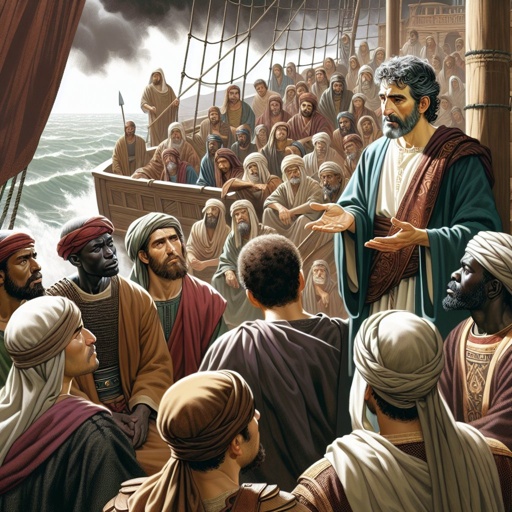
Acts 27:31 - "Paul said to the centurion and to the soldiers, Except these abide in the ship, ye cannot be saved."

Acts 10:27 - "And as he talked with him, he went in, and found many that were come together."

Acts 27:6 - "And there the centurion found a ship of Alexandria sailing into Italy; and he put us therein."

Acts 27:23 - "For there stood by me this night the angel of God, whose I am, and whom I serve,"

Acts 27:42 - "And the soldiers' counsel was to kill the prisoners, lest any of them should swim out, and escape."

Acts 25:27 - "For it seemeth to me unreasonable to send a prisoner, and not withal to signify the crimes laid against him."

Luke 13:28-27

Luke 13:28-27

Psalm 27:13-14

Luke 13:28-27

Acts 27:25 - "Wherefore, sirs, be of good cheer: for I believe God, that it shall be even as it was told me."

Acts 27:15 - "And when the ship was caught, and could not bear up into the wind, we let her drive."