What does Acts 13:14 mean?
“But when they departed from Perga, they came to Antioch in Pisidia, and went into the synagogue on the sabbath day, and sat down.” — Acts 13:14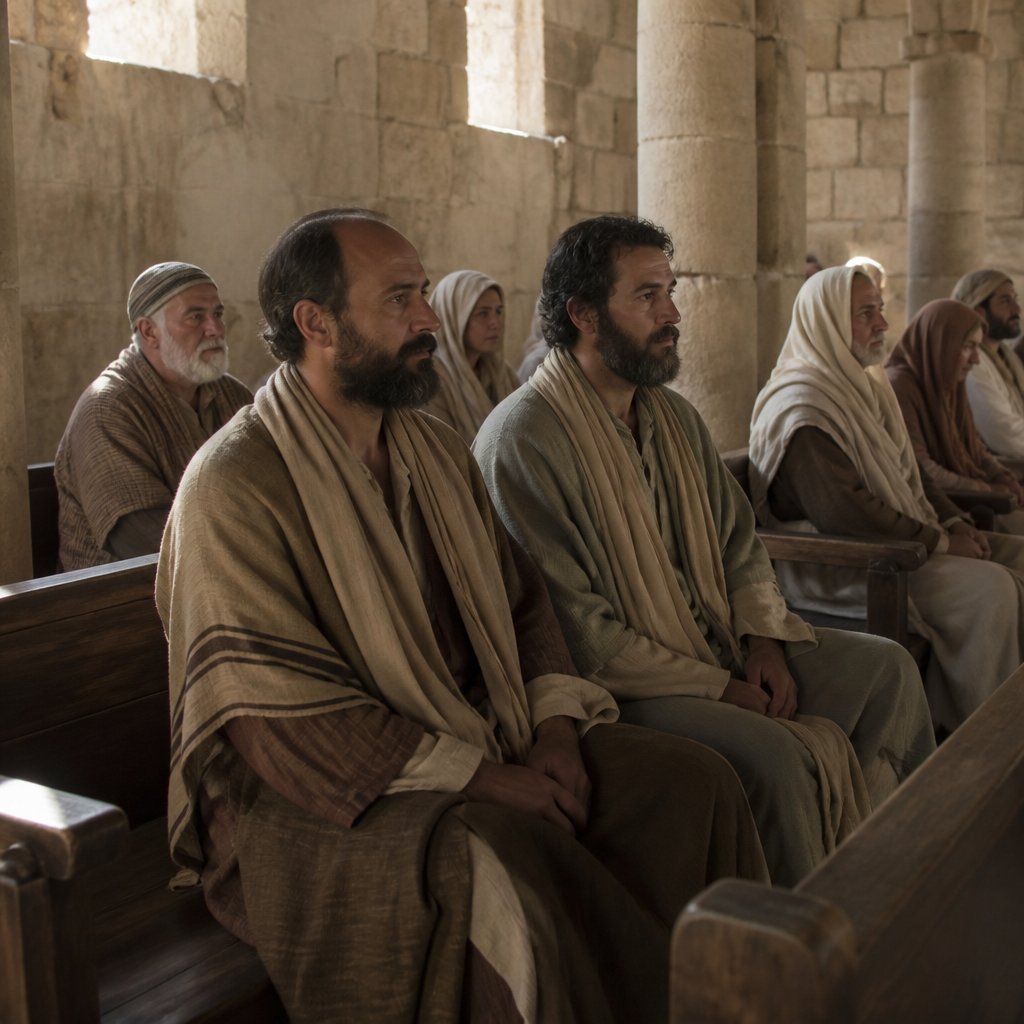
The Bible verse Acts 13:14 from the King James Version (KJV) reads:
"But when they departed from Perga, they came to Antioch in Pisidia, and went into the synagogue on the sabbath day, and sat down."
This verse is part of a larger passage that describes the missionary journey of Paul and Barnabas as they travel from Paphos to Antioch in Pisidia. The journey is a significant event in the early spread of Christianity, and this particular verse sets the stage for an important moment in the development of the Christian faith. In order to understand the deeper meaning and significance of this verse, it is important to consider the larger context in which it is situated and the themes and symbolism that it embodies.
The book of Acts, from which this verse is taken, is a historical account of the early Christian church and the spread of the gospel throughout the Roman Empire. Acts 13:14 comes at a crucial juncture in the narrative, as Paul and Barnabas arrive in Antioch in Pisidia and attend the synagogue on the Sabbath day. Here, they have an opportunity to address the Jewish community and preach the message of Jesus Christ, which ultimately leads to the conversion of many Gentiles in the region.
One of the central themes of this verse and the passage as a whole is the spread of the gospel to both Jews and Gentiles. The decision of Paul and Barnabas to attend the synagogue on the Sabbath day demonstrates their commitment to engaging with the Jewish community and sharing the message of Jesus with them. This act of outreach and evangelism reflects the universal significance of the gospel and the Christian belief in the salvation of all people, regardless of their backgrounds or ethnicities.
Additionally, the setting of the synagogue is symbolic of the connection between the message of Jesus Christ and the Jewish faith. By entering the synagogue and sitting down to listen and speak, Paul and Barnabas acknowledge the shared history and spiritual heritage of Christianity and Judaism. This symbolic gesture underscores the continuity between the Old Testament prophecies and the fulfillment of those prophecies in the person of Jesus Christ.
Furthermore, the act of attending the synagogue on the Sabbath day carries deeper theological significance. The Sabbath is a day of rest and worship in the Jewish tradition, and it is also a day of spiritual reflection and renewal. By choosing to engage with the Jewish community on the Sabbath, Paul and Barnabas demonstrate their respect for the Jewish religious practices and their desire to bridge the gap between Judaism and Christianity.
In a broader sense, Acts 13:14 can also be interpreted as a reflection of the missionary zeal and commitment of Paul and Barnabas. Their willingness to travel to distant lands and engage with diverse communities in order to share the gospel message serves as a powerful example of Christian evangelism and the role of believers in spreading the good news of Jesus Christ.
In conclusion, Acts 13:14 from the King James Version of the Bible is a verse that encapsulates important themes of outreach, inclusivity, and missionary zeal within the Christian faith. The act of Paul and Barnabas attending the synagogue on the Sabbath day symbolizes the universality of the gospel message and the interconnectedness of Christianity with its Jewish roots. It also serves as a poignant reminder of the ongoing mission of the church to reach out to all people, regardless of their backgrounds, and to share the message of Jesus Christ with love and humility.
Get our apps


Artwork for Acts 13:14

Acts 13:14 - "¶ But when they departed from Perga, they came to Antioch in Pisidia, and went into the synagogue on the sabbath day, and sat down."

Acts 13:14-15 - "But when they departed from Perga, they came to Antioch in Pisidia, and went into the synagogue on the Sabbath day, and sat down. And after the reading of the Law and the Prophets, the rulers of the synagogue sent to them, saying, "Men and brethren, if you have any word of exhortation for the people, say on.""
"¶ But when they departed from Perga, they came to Antioch in Pisidia, and went into the synagogue on the sabbath day, and sat down." - Acts 13:14
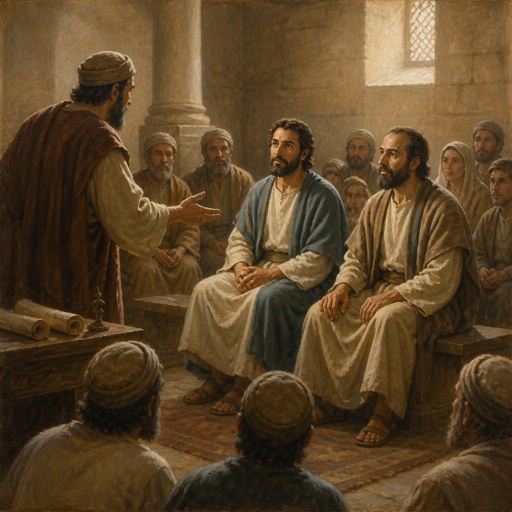
"But when they departed from Perga, they came to Antioch in Pisidia, and went into the synagogue on the Sabbath day, and sat down. And after the reading of the Law and the Prophets, the rulers of the synagogue sent to them, saying, "Men and brethren, if you have any word of exhortation for the people, say on."" - Acts 13:14-15

Acts 14:13 - "Then the priest of Jupiter, which was before their city, brought oxen and garlands unto the gates, and would have done sacrifice with the people."

Acts 14:17

Acts 13:43

Acts 14:7 - "And there they preached the gospel."
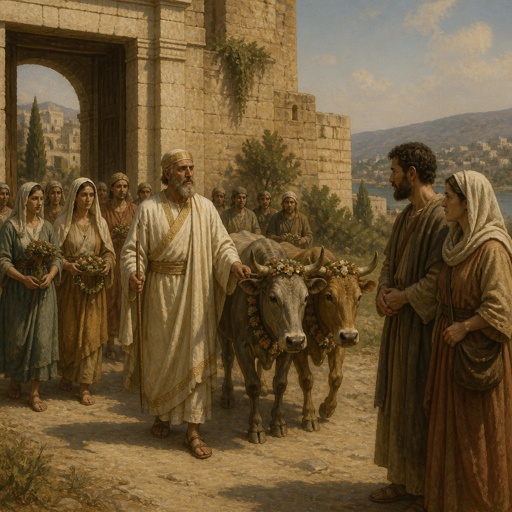
"Then the priest of Jupiter, which was before their city, brought oxen and garlands unto the gates, and would have done sacrifice with the people." - Acts 14:13

Acts 14:28 - "And there they abode long time with the disciples."

Acts 14:14 - "Which when the apostles, Barnabas and Paul, heard of, they rent their clothes, and ran in among the people, crying out,"

"And there they preached the gospel." - Acts 14:7

Acts 13:30 - "But God raised him from the dead:"
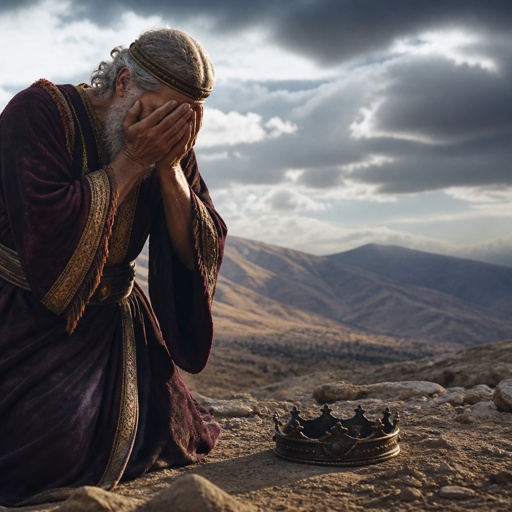
1 Samuel 13:13-14

Acts 13:49 - "And the word of the Lord was published throughout all the region."

Acts 13:52 - "And the disciples were filled with joy, and with the Holy Ghost."

Acts 14:24 - "And after they had passed throughout Pisidia, they came to Pamphylia."

Acts 13:37 - "But he, whom God raised again, saw no corruption."

Matthew 7:13-14

Matthew 7:13-14

Matthew 7:13-14

Matthew 7:13-14

Matthew 7:13-14

Matthew 7:13-14

Matthew 7:13-14

Matthew 7:13-14

Matthew 7:13-14

Matthew 7:13-14

Matthew 7:13-14

Acts 2:13 - "Others mocking said, These men are full of new wine."