What does Acts 13:29 mean?
“And when they had fulfilled all that was written of him, they took him down from the tree, and laid him in a sepulchre.” — Acts 13:29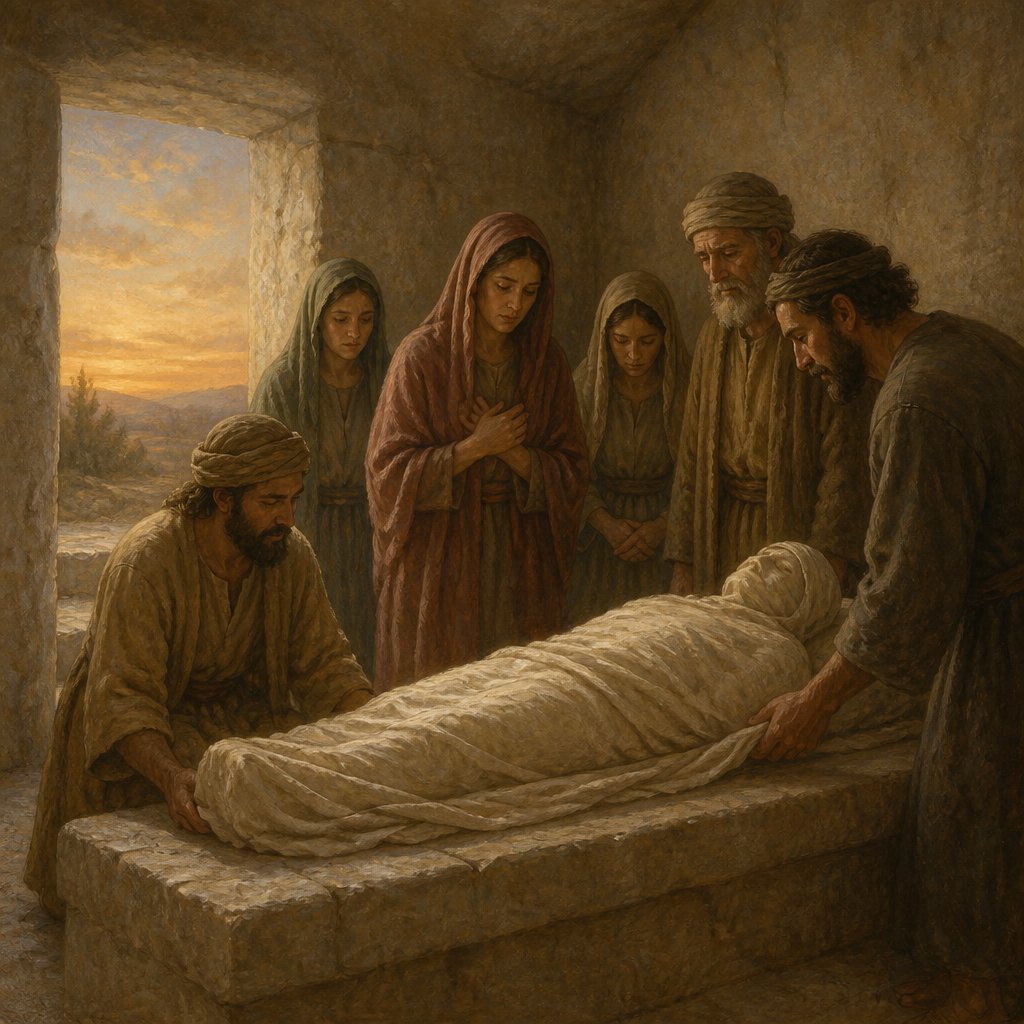
The verse Acts 13:29 in the King James Version of the Bible reads as follows: "And when they had fulfilled all that was written of him, they took him down from the tree, and laid him in a sepulchre." This verse comes from a passage in the book of Acts in the New Testament, which recounts the early days of the Christian church and the spread of the gospel.
In this particular verse, the speaker is referring to the fulfillment of Old Testament prophecies regarding the death and burial of Jesus Christ. The use of the phrase "fulfilled all that was written of him" emphasizes the idea that Jesus' life and death were not mere happenstance, but were part of a larger divine plan that had been anticipated and foretold in the scriptures.
One of the key themes in this verse is the fulfillment of prophecy. Throughout the Bible, there are numerous prophecies about the coming of a messiah who would redeem and save God's people. The Old Testament contains many specific details about this messiah, including his birth, life, death, and resurrection. In the New Testament, the writers of the gospels and the book of Acts continually refer back to these prophecies as evidence that Jesus is the fulfillment of God's promises. By emphasizing the fulfillment of prophecy, the verse in Acts 13:29 underscores the significance and divine nature of Jesus' death and burial.
Another important theme in this verse is the suffering and death of Jesus. The phrase "they took him down from the tree" refers to the crucifixion of Jesus, which is a central event in Christian theology. The crucifixion is seen as the ultimate demonstration of God's love for humanity, as Jesus willingly sacrificed himself in order to atone for the sins of the world. By focusing on the act of taking Jesus down from the cross and laying him in a tomb, the verse highlights the physical reality of Jesus' suffering and death, as well as the profound emotional and spiritual impact of these events on his followers.
The mention of the sepulchre, or tomb, in this verse also points to the theme of resurrection. Throughout the New Testament, the resurrection of Jesus is depicted as the ultimate triumph over sin and death. The fact that Jesus was not left in the grave, but rose again on the third day, is central to the Christian faith and serves as a source of hope and assurance for believers. The placement of Jesus in the sepulchre serves as a precursor to the eventual resurrection, highlighting the temporary nature of his death and the certainty of his victory over the grave.
Symbolically, the act of taking Jesus down from the cross and laying him in the tomb can also be seen as a representation of the humility and vulnerability of Jesus. In his crucifixion and burial, Jesus voluntarily experienced the full extent of human suffering and mortality, demonstrating his solidarity with humanity and his willingness to endure the indignity and pain of death. This act of self-emptying and submission is a powerful symbol of Jesus' love and compassion for all people.
The context of Acts 13:29 is significant in understanding its broader implications. The book of Acts chronicles the early spread of Christianity and the missionary journeys of the apostles. In this particular passage, the speaker is addressing a Jewish audience and recounting the life and ministry of Jesus in order to proclaim the gospel message. By emphasizing the fulfillment of Old Testament prophecies in Jesus' death and burial, the speaker is seeking to persuade his audience of the truth and significance of the Christian message.
In conclusion, Acts 13:29 in the King James Version of the Bible conveys a rich and multi-layered message about the fulfillment of prophecy, the suffering and death of Jesus, the hope of resurrection, and the humility of Christ. Through its emphasis on the divine plan and purpose behind Jesus' death and burial, this verse invites readers to contemplate the profound significance of these events and their implications for the Christian faith.
Get our apps


Artwork for Acts 13:29

Acts 13:29 - "And when they had fulfilled all that was written of him, they took him down from the tree, and laid him in a sepulchre."
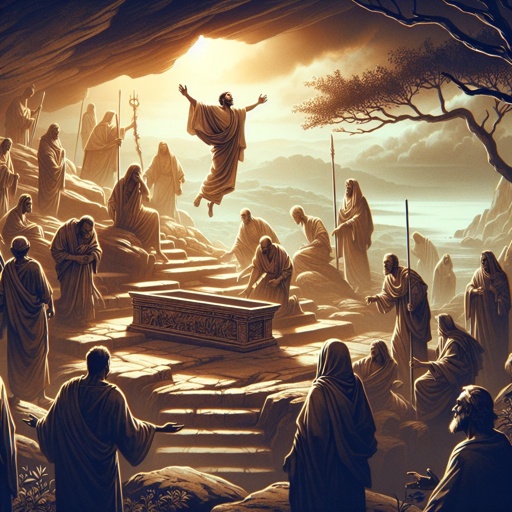
Acts 13:29-31 - "And when they had fulfilled all that was written of him, they took him down from the tree, and laid him in a sepulchre. But God raised him from the dead. And he was seen many days of them which came up with him from Galilee to Jerusalem, who are his witnesses unto the people."
"And when they had fulfilled all that was written of him, they took him down from the tree, and laid him in a sepulchre." - Acts 13:29
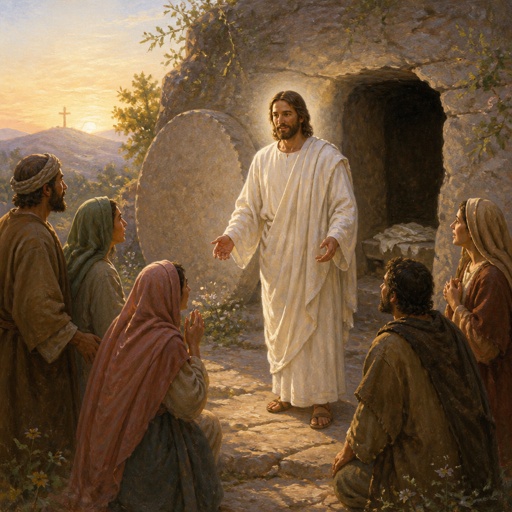
"And when they had fulfilled all that was written of him, they took him down from the tree, and laid him in a sepulchre. But God raised him from the dead. And he was seen many days of them which came up with him from Galilee to Jerusalem, who are his witnesses unto the people." - Acts 13:29-31

put on a scroll acts 15:29

Jeremiah 29:11-13

Jeremiah 29:11-13

Jeremiah 29:11-13

Jeremiah 29:11-13

1 Chronicles 29:29 - "Now the acts of David the king, first and last, behold, they are written in the book of Samuel the seer, and in the book of Nathan the prophet, and in the book of Gad the seer,"

Acts 8:29 - "Then the Spirit said unto Philip, Go near, and join thyself to this chariot."

Acts 13:43

Acts 16:29 - "Then he called for a light, and sprang in, and came trembling, and fell down before Paul and Silas,"

Acts 7:29 - "Then fled Moses at this saying, and was a stranger in the land of Madian, where he begat two sons."

Acts 5:29 - "¶ Then Peter and the other apostles answered and said, We ought to obey God rather than men."

Acts 28:29 - "And when he had said these words, the Jews departed, and had great reasoning among themselves."

Exodus 13:17-14:29

1 Kings 14:29 - "¶ Now the rest of the acts of Rehoboam, and all that he did, are they not written in the book of the chronicles of the kings of Judah?"

Acts 9:29 - "And he spake boldly in the name of the Lord Jesus, and disputed against the Grecians: but they went about to slay him."

Acts 20:29 - "For I know this, that after my departing shall grievous wolves enter in among you, not sparing the flock."

Acts 21:29 - "(For they had seen before with him in the city Trophimus an Ephesian, whom they supposed that Paul had brought into the temple.)"

Acts 23:29 - "Whom I perceived to be accused of questions of their law, but to have nothing laid to his charge worthy of death or of bonds."

Acts 4:29 - "And now, Lord, behold their threatenings: and grant unto thy servants, that with all boldness they may speak thy word,"

Acts 11:29 - "Then the disciples, every man according to his ability, determined to send relief unto the brethren which dwelt in Judaea:"

Leviticus 13:29 - "¶ If a man or woman have a plague upon the head or the beard;"

Acts 27:29 - "Then fearing lest we should have fallen upon rocks, they cast four anchors out of the stern, and wished for the day."

Acts 13:30 - "But God raised him from the dead:"

Acts 13:49 - "And the word of the Lord was published throughout all the region."

Acts 13:52 - "And the disciples were filled with joy, and with the Holy Ghost."

2 Chronicles 29:13 - "And of the sons of Elizaphan; Shimri, and Jeiel: and of the sons of Asaph; Zechariah, and Mattaniah:"