What does Acts 14:1 mean?
“And it came to pass in Iconium, that they went both together into the synagogue of the Jews, and so spake, that a great multitude both of the Jews and also of the Greeks believed.” — Acts 14:1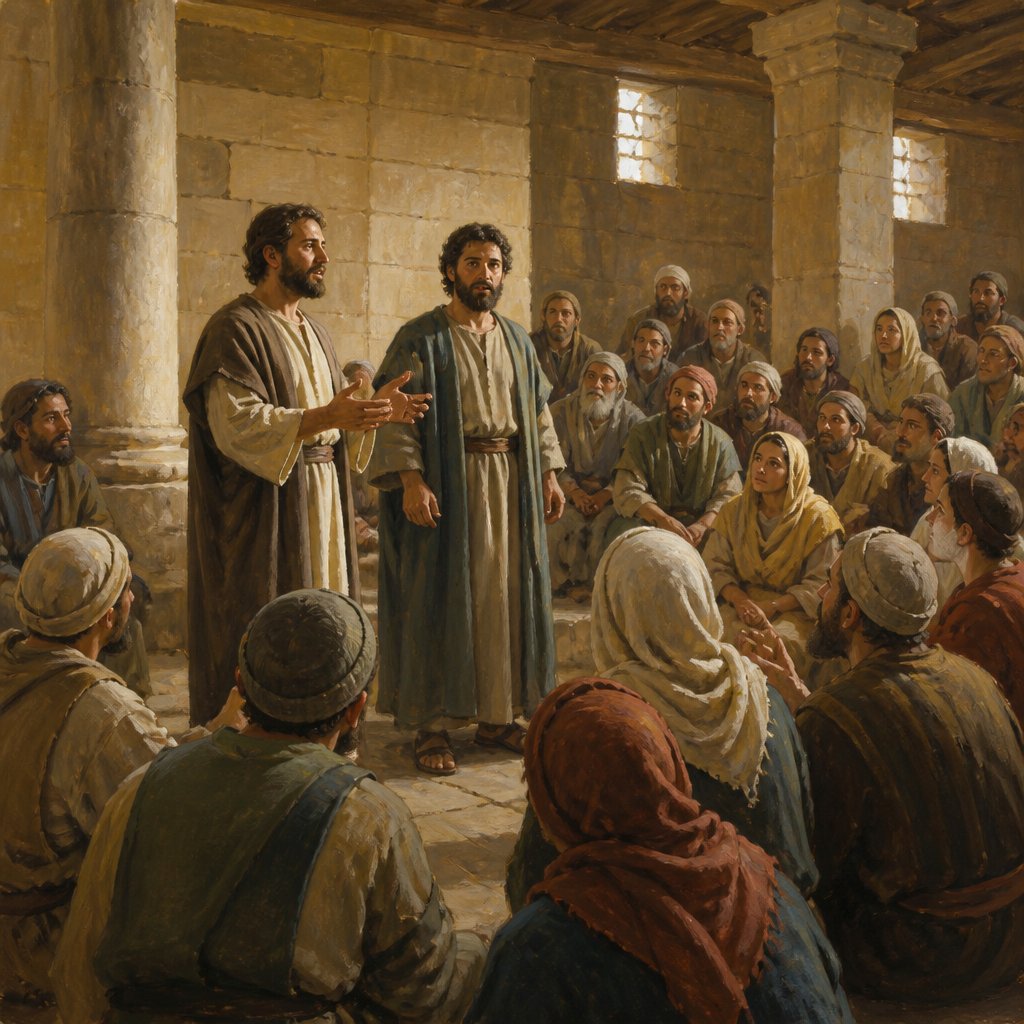
The Bible verse Acts 14:1 in the King James Version reads, "And it came to pass in Iconium, that they went both together into the synagogue of the Jews, and so spake, that a great multitude both of the Jews and also of the Greeks believed."
This verse is part of the narrative of the Apostle Paul's missionary journey, specifically his visit to the city of Iconium. This verse is just one part of a larger story where Paul and his companion Barnabas are spreading the message of Jesus Christ and experiencing both persecution and acceptance as they go.
The book of Acts provides a historical account of the early Christian church, following the ascension of Jesus Christ and the outpouring of the Holy Spirit at Pentecost. The missionary journeys of Paul and other early believers were crucial in the spread of Christianity to the wider world.
In this particular verse, we see Paul and Barnabas entering the synagogue in Iconium to speak to both Jews and Greeks. The fact that they went into the synagogue shows that they were continuing the Jewish practice of going to the house of worship to engage with the local community. However, Paul's message was not limited to the Jewish people, as it was also directed towards the Greeks, signaling a broader outreach to the Gentiles.
The phrase "so spake, that a great multitude both of the Jews and also of the Greeks believed" is significant in several ways. Firstly, it underscores the power and efficacy of Paul's preaching. His ability to communicate the gospel effectively and persuasively resulted in a significant number of people coming to believe in Jesus Christ as the Messiah.
Secondly, this verse highlights the importance of both Jewish and Gentile believers in the early Christian church. The fact that both groups are mentioned as responding to the message of Paul and Barnabas demonstrates the inclusive nature of the gospel. It was not limited to a particular ethnic or religious group, but was intended for all people, regardless of background or nationality.
This theme of inclusion and universality is consistent with the broader message of the book of Acts, which emphasizes the global spread of Christianity and the breaking down of barriers between different groups of people. This was a radical idea in the ancient world, where social and religious divisions were deeply ingrained.
Additionally, Acts 14:1 serves as a reminder of the response that the gospel can evoke. In this case, a "great multitude" of people believed in the message of Paul and Barnabas. This is a testament to the transformative power of the gospel, which has the ability to change hearts and bring people from all walks of life into a new, life-giving relationship with God.
The historical context of Acts 14:1 is also important to consider. Iconium was a city in the region of Phrygia, located in what is now modern-day Turkey. It was a diverse and cosmopolitan city, with a mix of Jewish and Gentile inhabitants. The fact that the gospel was received by both groups in such a setting is indicative of its universal appeal.
From a symbolic standpoint, this verse can be seen as a representation of the ongoing mission of the church to spread the message of Jesus Christ to all people. The synagogue, a central place of worship for the Jewish community, symbolizes the roots of the Christian faith in Judaism, while also representing the outreach to the Gentile world. The conversion of both Jews and Greeks symbolizes the breadth and depth of the church's mission, to reach people from all backgrounds and cultures with the transformative message of the gospel.
In conclusion, Acts 14:1 in the KJV provides a rich and multifaceted depiction of the early spread of Christianity, highlighting themes of inclusivity, universality, and the transformative power of the gospel. It serves as a powerful reminder of the ongoing mission of the church to reach all people with the message of Jesus Christ, regardless of cultural or religious background. This verse continues to inspire and challenge believers to engage in the work of spreading the good news of salvation to the ends of the earth.
Get our apps


Artwork for Acts 14:1

Acts 14:1 - "And it came to pass in Iconium, that they went both together into the synagogue of the Jews, and so spake, that a great multitude both of the Jews and also of the Greeks believed."
"And it came to pass in Iconium, that they went both together into the synagogue of the Jews, and so spake, that a great multitude both of the Jews and also of the Greeks believed." - Acts 14:1

Acts 14:17

Depict the events of Acts 19:14-17

Acts 1:14 - "These all continued with one accord in prayer and supplication, with the women, and Mary the mother of Jesus, and with his brethren."

1 Kings 16:14 - "Now the rest of the acts of Elah, and all that he did, are they not written in the book of the chronicles of the kings of Israel?"

1 Kings 14:29 - "¶ Now the rest of the acts of Rehoboam, and all that he did, are they not written in the book of the chronicles of the kings of Judah?"

1 Kings 14:19 - "And the rest of the acts of Jeroboam, how he warred, and how he reigned, behold, they are written in the book of the chronicles of the kings of Israel."

Acts 14:7 - "And there they preached the gospel."

Acts 14:28 - "And there they abode long time with the disciples."

Acts 14:14 - "Which when the apostles, Barnabas and Paul, heard of, they rent their clothes, and ran in among the people, crying out,"

"And there they preached the gospel." - Acts 14:7

Acts 14:24 - "And after they had passed throughout Pisidia, they came to Pamphylia."
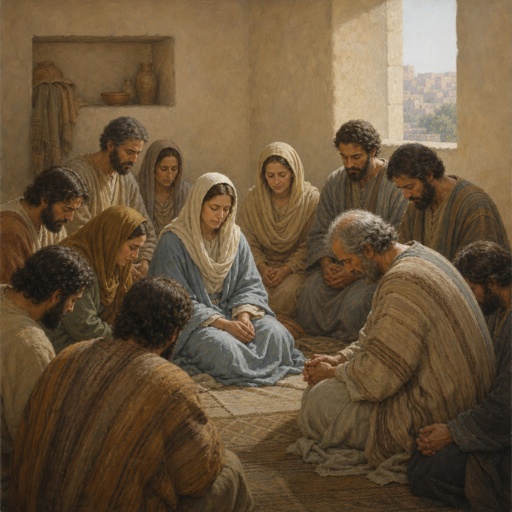
"These all continued with one accord in prayer and supplication, with the women, and Mary the mother of Jesus, and with his brethren." - Acts 1:14

"These all continued with one accord in prayer and supplication, with the women, and Mary the mother of Jesus, and with his brethren." - Acts 1:14

Acts 14:25 - "And when they had preached the word in Perga, they went down into Attalia:"

Acts 27:14 - "But not long after there arose against it a tempestuous wind, called Euroclydon."

Acts 14:4 - "But the multitude of the city was divided: and part held with the Jews, and part with the apostles."

"¶ Now the rest of the acts of Rehoboam, and all that he did, are they not written in the book of the chronicles of the kings of Judah?" - 1 Kings 14:29

"Now the rest of the acts of Elah, and all that he did, are they not written in the book of the chronicles of the kings of Israel?" - 1 Kings 16:14

Acts 14:16 - "Who in times past suffered all nations to walk in their own ways."

Acts 14:18 - "And with these sayings scarce restrained they the people, that they had not done sacrifice unto them."

Acts 5:14 - "And believers were the more added to the Lord, multitudes both of men and women.)"

2 Kings 14:18 - "And the rest of the acts of Amaziah, are they not written in the book of the chronicles of the kings of Judah?"

Acts 14:12 - "And they called Barnabas, Jupiter; and Paul, Mercurius, because he was the chief speaker."

Acts 21:14 - "And when he would not be persuaded, we ceased, saying, The will of the Lord be done."

"And there they abode long time with the disciples." - Acts 14:28

Acts 3:14 - "But ye denied the Holy One and the Just, and desired a murderer to be granted unto you;"

Acts 14:10 - "Said with a loud voice, Stand upright on thy feet. And he leaped and walked."

Acts 4:14 - "And beholding the man which was healed standing with them, they could say nothing against it."