What does Acts 14:13 mean?
“Then the priest of Jupiter, which was before their city, brought oxen and garlands unto the gates, and would have done sacrifice with the people.” — Acts 14:13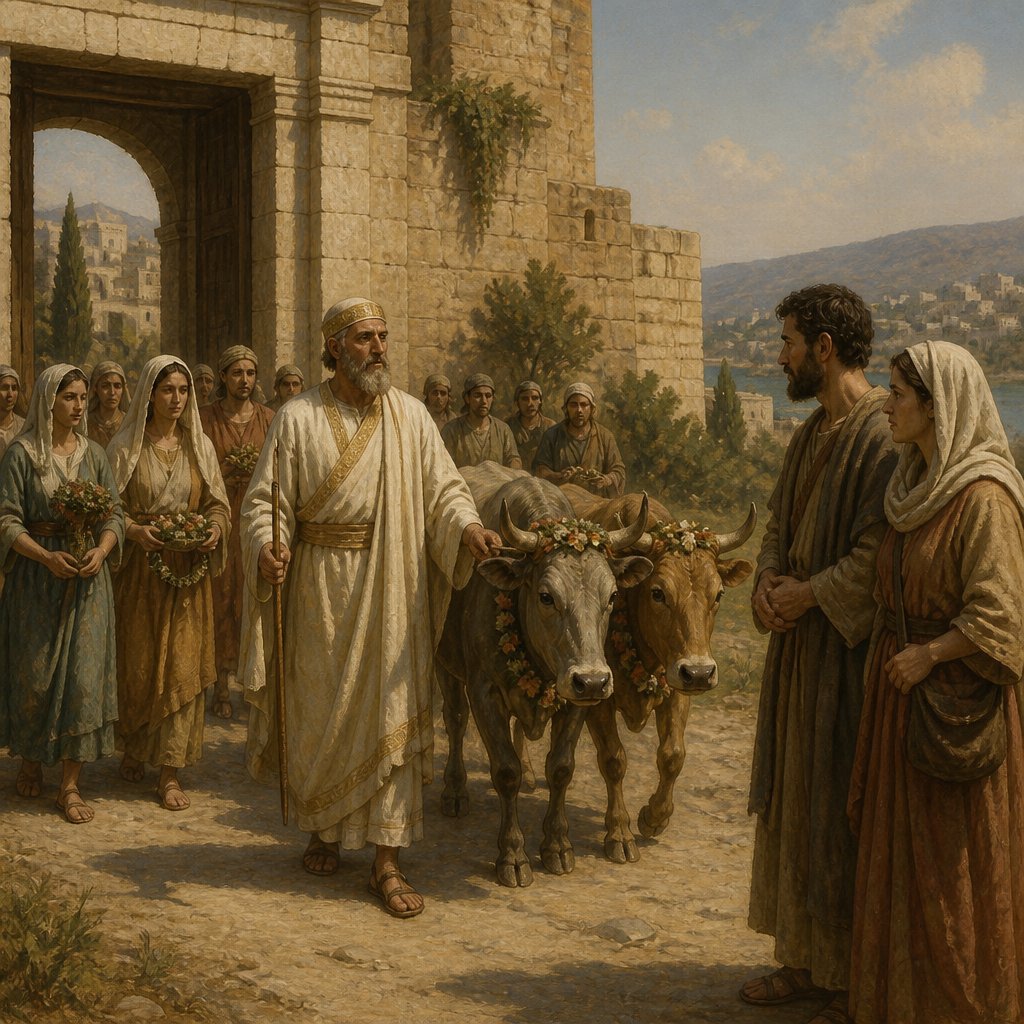
In Acts 14:13 (KJV), the scripture reads, "Then the priest of Jupiter, which was before their city, brought oxen and garlands unto the gates, and would have done sacrifice with the people." This verse is part of the narrative of the apostle Paul and Barnabas' missionary journey to Lystra, a city in the region of Lycaonia. The background and context of this verse provide important insight into its significance and meaning within the broader biblical account.
The scene described in Acts 14:13 takes place during Paul and Barnabas' visit to Lystra, where they had been preaching the gospel and performing miracles. The people in Lystra, who were predominantly pagans, mistook Paul and Barnabas for gods in human form, believing that they were the gods Hermes and Zeus. The priest of Jupiter, one of the idols worshiped in Lystra, brought oxen and garlands to the city gates, intending to offer sacrifices to Paul and Barnabas along with the rest of the people.
The significance of this verse lies in its portrayal of the clash between the gospel message and pagan idolatry. The people of Lystra, steeped in their polytheistic beliefs, were quick to attribute divine status to Paul and Barnabas, reflecting their deep-seated religious worldview. The priest of Jupiter's actions, in bringing sacrifices and garlands to honor the apostles, highlight the pervasive influence of pagan worship in the region.
From a thematic perspective, Acts 14:13 underscores the contrast between the true worship of the one God and the false worship of idols. Throughout the Bible, the theme of idolatry is a recurring one, with God consistently condemning the worship of false gods and the making of graven images. In this particular instance, the apostles' rejection of the people's attempts to worship them as gods reflects the fundamental truth of monotheism and the exclusivity of worshiping the one true God.
Furthermore, the verse serves as a testament to the power of the gospel to confront and challenge prevalent cultural and religious norms. Paul and Barnabas' presence in Lystra not only sparked the people's awe and admiration but also provoked a reaction from the religious authorities, who sought to uphold the traditional pagan practices. The clash between the apostles' message of salvation and the pagan rituals of the city underscores the transformative impact of the gospel on the prevailing worldview of the time.
Symbolically, the priest of Jupiter's actions in Acts 14:13 serve as a poignant representation of humanity's inclination towards worshiping created things rather than the Creator. The offering of oxen and garlands as sacrifices to Paul and Barnabas reflects the misguided devotion and reverence that people often bestow upon objects and individuals, placing them on a pedestal above the true God. This symbolic representation aligns with the broader biblical motif of the battle between light and darkness, truth and deception, and the spiritual conflict between the kingdom of God and the forces of darkness.
In conclusion, Acts 14:13 (KJV) encapsulates the interplay of themes related to the clash of religious worldviews, the exclusivity of worshiping the one true God, and the transformative power of the gospel in confronting prevailing cultural norms. The verse also symbolically represents humanity's propensity towards idolatry and the need for true worship of the Creator. As part of the larger narrative of Paul and Barnabas' missionary journey, Acts 14:13 offers a profound insight into the enduring relevance of the gospel message in challenging and transforming the hearts and minds of people across diverse cultural and religious landscapes.
Get our apps


Artwork for Acts 14:13

Acts 14:13 - "Then the priest of Jupiter, which was before their city, brought oxen and garlands unto the gates, and would have done sacrifice with the people."
"Then the priest of Jupiter, which was before their city, brought oxen and garlands unto the gates, and would have done sacrifice with the people." - Acts 14:13

Acts 13:14 - "¶ But when they departed from Perga, they came to Antioch in Pisidia, and went into the synagogue on the sabbath day, and sat down."
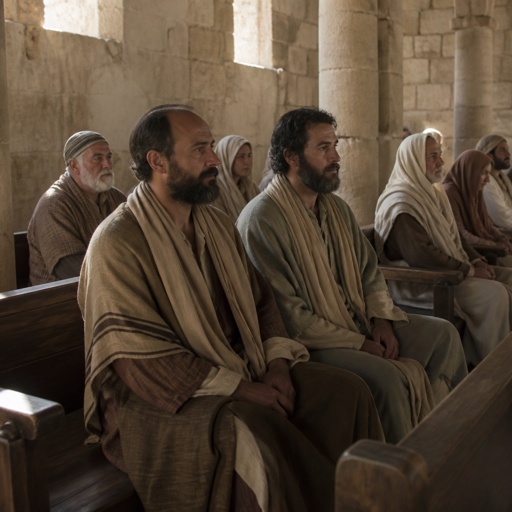
"¶ But when they departed from Perga, they came to Antioch in Pisidia, and went into the synagogue on the sabbath day, and sat down." - Acts 13:14

Acts 13:14-15 - "But when they departed from Perga, they came to Antioch in Pisidia, and went into the synagogue on the Sabbath day, and sat down. And after the reading of the Law and the Prophets, the rulers of the synagogue sent to them, saying, "Men and brethren, if you have any word of exhortation for the people, say on.""

Acts 14:17

Acts 13:43

Acts 14:7 - "And there they preached the gospel."

Acts 14:28 - "And there they abode long time with the disciples."

Acts 14:14 - "Which when the apostles, Barnabas and Paul, heard of, they rent their clothes, and ran in among the people, crying out,"

"And there they preached the gospel." - Acts 14:7

Acts 13:30 - "But God raised him from the dead:"
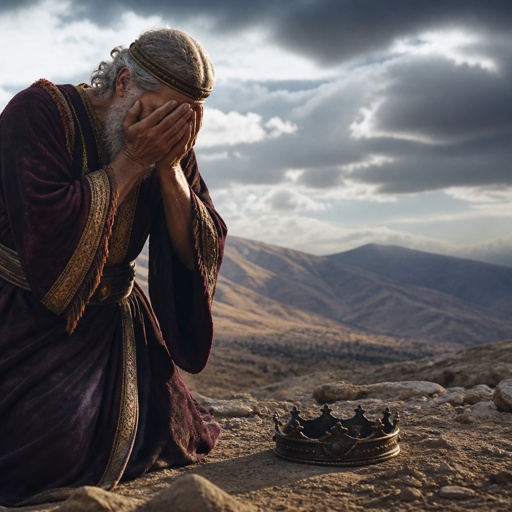
1 Samuel 13:13-14

Acts 13:49 - "And the word of the Lord was published throughout all the region."

Acts 13:52 - "And the disciples were filled with joy, and with the Holy Ghost."

Acts 14:24 - "And after they had passed throughout Pisidia, they came to Pamphylia."

Acts 13:37 - "But he, whom God raised again, saw no corruption."

Matthew 7:13-14

Matthew 7:13-14

Matthew 7:13-14

Matthew 7:13-14

Matthew 7:13-14

Matthew 7:13-14

Matthew 7:13-14

Matthew 7:13-14

Matthew 7:13-14

Matthew 7:13-14

Matthew 7:13-14

Acts 2:13 - "Others mocking said, These men are full of new wine."

Depict the events of Acts 19:14-17