What does Acts 16:1 mean?
"Then came he to Derbe and Lystra: and, behold, a certain disciple was there, named Timotheus, the son of a certain woman, which was a Jewess, and believed; but his father was a Greek:" - Acts 16:1
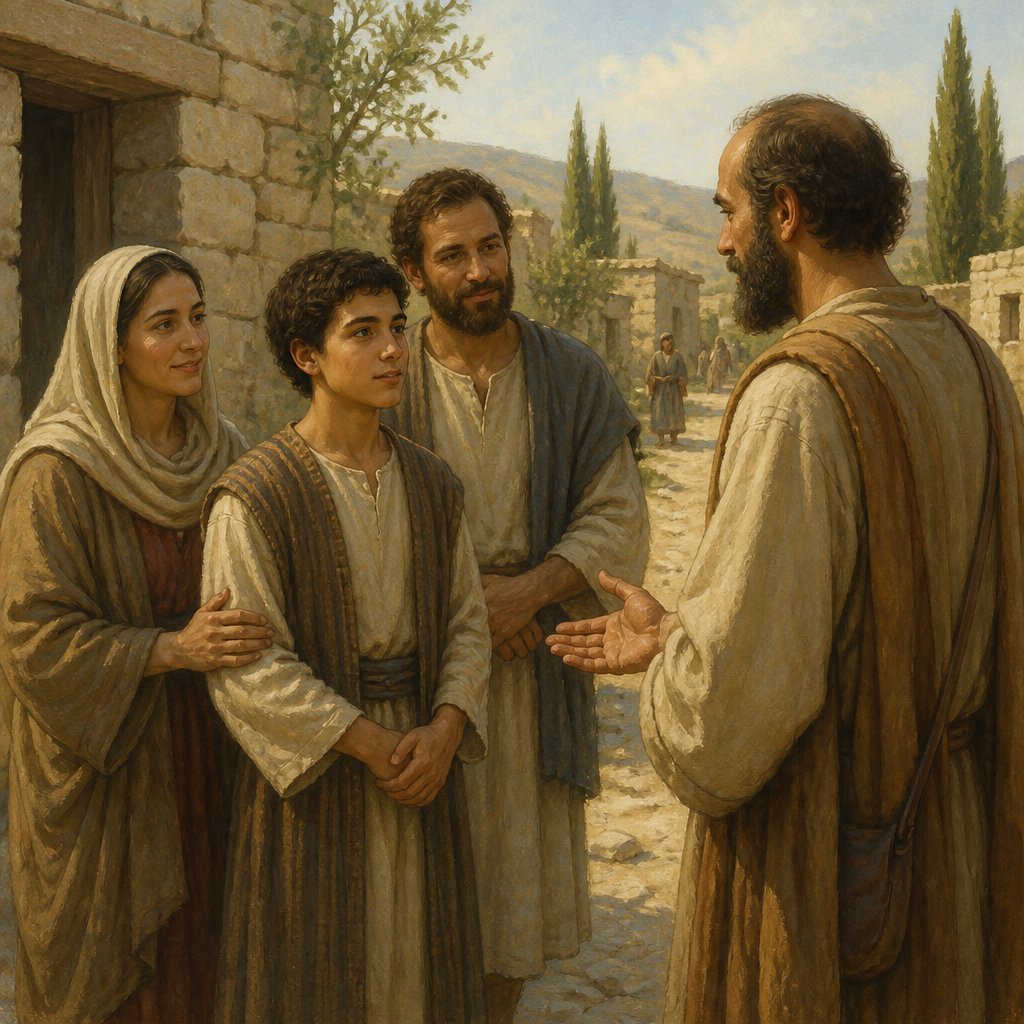
The Bible verse Acts 16:1 in the King James Version reads, "Then came he to Derbe and Lystra: and, behold, a certain disciple was there, named Timotheus, the son of a certain woman, which was a Jewess, and believed; but his father was a Greek."
This verse is found in the book of Acts, which is the fifth book of the New Testament. It is known as the Acts of the Apostles and is attributed to Luke, the author of the Gospel of Luke. The book of Acts details the spread of Christianity and the establishment of the early Christian church, following the resurrection of Jesus Christ.
In Acts 16:1, we see the journey of the apostle Paul as he travels to Derbe and Lystra. During his visit, he encounters a certain disciple named Timotheus. The verse provides us with details about Timotheus' family background - his mother was a Jewess who believed in God, while his father was a Greek. This information about Timotheus' mixed heritage is significant in understanding the context of the verse and the broader themes of the book of Acts.
One of the primary themes of the book of Acts is the spread of the Gospel to the Gentiles, or non-Jewish people. Throughout the book, we see the apostles and early Christians grappling with the inclusion of Gentiles in the Christian faith and the implications of this for the Jewish law and customs. The story of Timotheus, with his Jewish mother and Greek father, serves as a real-life example of the intersection of different cultures and religious backgrounds within the early Christian community.
The inclusion of Timotheus in the narrative also speaks to the universal nature of the Gospel message. Despite his mixed heritage, Timotheus is accepted as a disciple and becomes an important figure in the early church, eventually accompanying Paul on his missionary journeys. This demonstrates that the message of Jesus Christ is not limited to a specific ethnic group or cultural background, but is intended for all people, regardless of their origins.
Additionally, the verse highlights the role of women in the spread of Christianity. Timotheus' mother, who is described as a Jewess who believed, is a crucial figure in his upbringing and spiritual formation. Throughout the book of Acts, we encounter several women who played significant roles in the early church, such as Lydia, Priscilla, and Dorcas. Their presence underscores the inclusive and egalitarian nature of the Christian faith, which stood in contrast to the patriarchal norms of the Greco-Roman world.
Symbolically, the mixed heritage of Timotheus illustrates the interconnectedness of different cultures and traditions within the Christian faith. It serves as a reminder that Christianity is not a monolithic or homogenous belief system, but rather a diverse and multifaceted tapestry that embraces a wide range of human experiences and perspectives. This diversity is a strength of the Christian community, as it fosters inclusivity, understanding, and unity among believers from various backgrounds.
In conclusion, Acts 16:1 provides us with a rich and nuanced portrayal of the early Christian community and the inclusive nature of the Gospel message. Through the story of Timotheus, we are reminded of the universal reach of the Christian faith, the important role of women in the spread of Christianity, and the diversity of cultural influences that shape the identity of the church. As we reflect on this verse, we are encouraged to embrace the richness of our collective heritage and to celebrate the unity in diversity that is found in the body of Christ.
Have questions about Acts 16:1?
Dive deeper into this scripture with Bible Chat — an AI-powered tool for exploring God's Word through conversation. Ask questions, get context, and grow in your understanding of the Bible.
Get Our Apps


Acts 16:1 Artwork

Acts 16:1 - "Then came he to Derbe and Lystra: and, behold, a certain disciple was there, named Timotheus, the son of a certain woman, which was a Jewess, and believed; but his father was a Greek:"
"Then came he to Derbe and Lystra: and, behold, a certain disciple was there, named Timotheus, the son of a certain woman, which was a Jewess, and believed; but his father was a Greek:" - Acts 16:1

1 Kings 16:14 - "Now the rest of the acts of Elah, and all that he did, are they not written in the book of the chronicles of the kings of Israel?"

1 Kings 16:20 - "Now the rest of the acts of Zimri, and his treason that he wrought, are they not written in the book of the chronicles of the kings of Israel?"

1 Kings 16:5 - "Now the rest of the acts of Baasha, and what he did, and his might, are they not written in the book of the chronicles of the kings of Israel?"

Acts 3:16

Acts 3:16

Acts 3:16

Acts 3:16

1 Kings 16:27 - "Now the rest of the acts of Omri which he did, and his might that he shewed, are they not written in the book of the chronicles of the kings of Israel?"

Acts 16 v18

Acts 16 v26

Acts 16:17
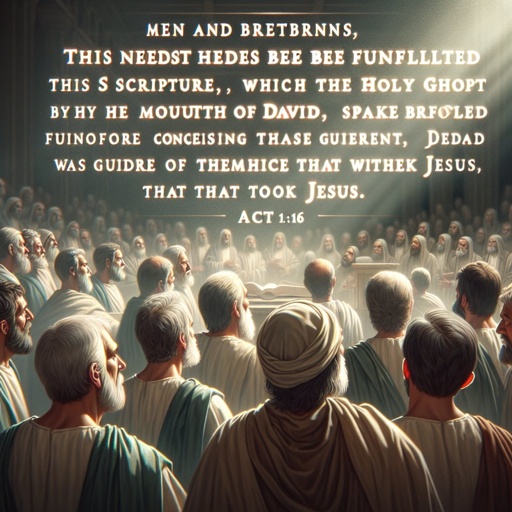
Acts 1:16 - "Men and brethren, this scripture must needs have been fulfilled, which the Holy Ghost by the mouth of David spake before concerning Judas, which was guide to them that took Jesus."
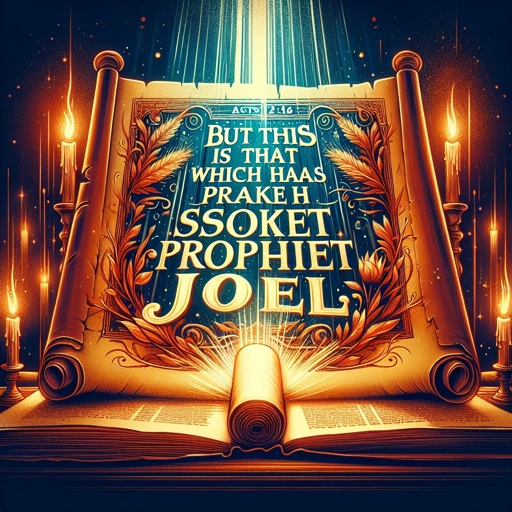
Acts 2:16 - "But this is that which was spoken by the prophet Joel;"

Acts 16:8 - "And they passing by Mysia came down to Troas."

Acts 18:16 - "And he drave them from the judgment seat."

Acts 10:16 - "This was done thrice: and the vessel was received up again into heaven."

Acts 16:2 - "Which was well reported of by the brethren that were at Lystra and Iconium."

Acts 16:5 - "And so were the churches established in the faith, and increased in number daily."

Acts 16:16 - "¶ And it came to pass, as we went to prayer, a certain damsel possessed with a spirit of divination met us, which brought her masters much gain by soothsaying:"

"Now the rest of the acts of Elah, and all that he did, are they not written in the book of the chronicles of the kings of Israel?" - 1 Kings 16:14

Acts 14:16 - "Who in times past suffered all nations to walk in their own ways."

Acts 16:32 - "And they spake unto him the word of the Lord, and to all that were in his house."

"But this is that which was spoken by the prophet Joel;" - Acts 2:16

Acts 16:7 - "After they were come to Mysia, they assayed to go into Bithynia: but the Spirit suffered them not."

Acts 16:21 - "And teach customs, which are not lawful for us to receive, neither to observe, being Romans."

Acts 16:31 - "And they said, Believe on the Lord Jesus Christ, and thou shalt be saved, and thy house."

Acts 16:35 - "And when it was day, the magistrates sent the serjeants, saying, Let those men go."

Acts 16:30 - "And brought them out, and said, Sirs, what must I do to be saved?"