What does Acts 17:13 mean?
“But when the Jews of Thessalonica had knowledge that the word of God was preached of Paul at Berea, they came thither also, and stirred up the people.” — Acts 17:13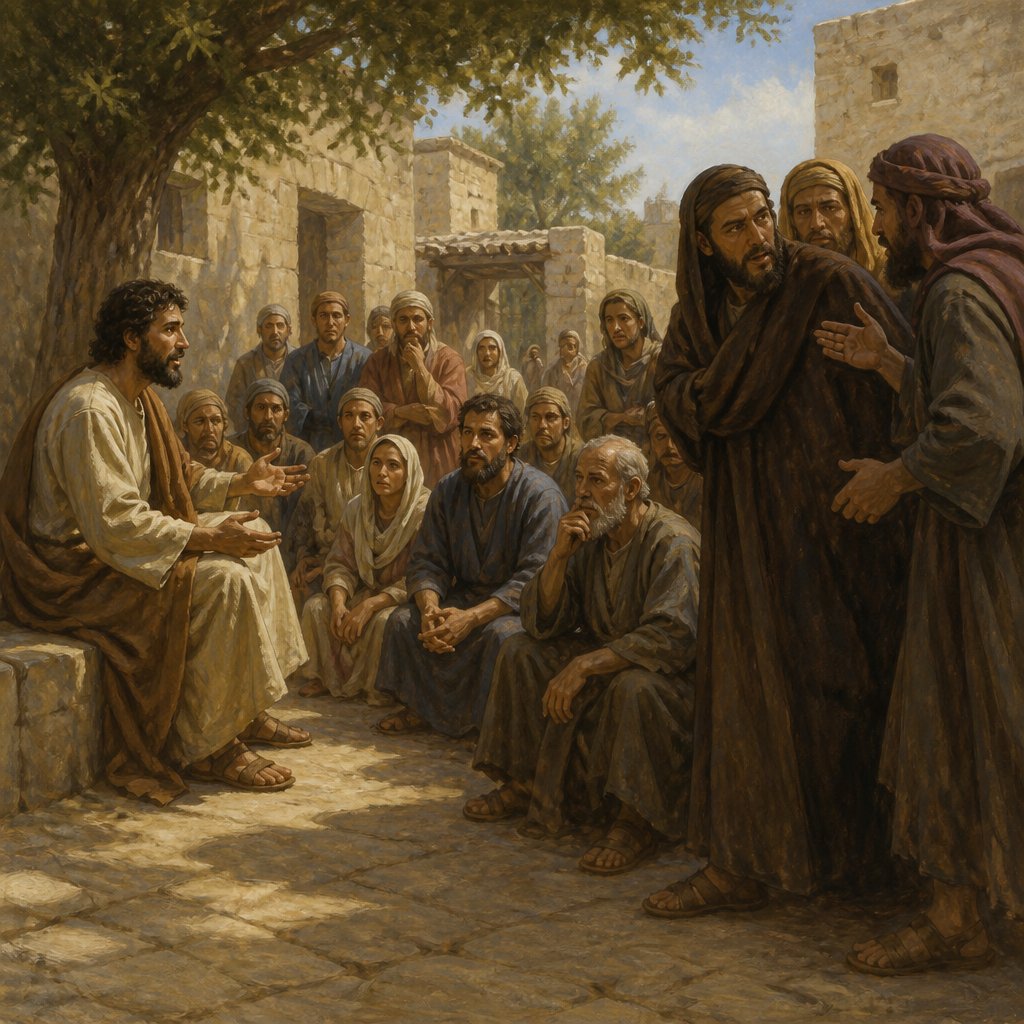
Acts 17:13 (KJV) states, "But when the Jews of Thessalonica had knowledge that the word of God was preached of Paul at Berea, they came thither also, and stirred up the people."
In order to understand the meaning and commentary of this verse, it is important to first provide some context. The book of Acts was written by Luke, a companion of the apostle Paul, and it serves as a historical account of the early church and the spread of the gospel. In Acts 17, we find Paul and Silas preaching the word of God in Thessalonica and Berea.
Thessalonica was a major city in the Roman province of Macedonia, and it was the site of one of Paul's missionary journeys. It was a diverse and bustling city, and Paul's preaching caused a great stir among the Jews who lived there. Many of the Jews rejected Paul's message and incited a riot, forcing Paul and Silas to flee to the nearby city of Berea.
Berea was also a key city in the region, and it was known for the noble character of its inhabitants. When Paul and Silas arrived there, they continued to preach the word of God. The Jews from Thessalonica caught wind of Paul's presence in Berea, and they traveled there to stir up trouble once again.
The verse in question, Acts 17:13, captures the relentless opposition that Paul faced in his mission to spread the gospel. It highlights the persecution and resistance that early Christians experienced as they sought to share the message of Jesus Christ. This verse also underscores the courage and determination of Paul and Silas, who continued to preach the word of God despite facing fierce opposition.
One of the central themes of Acts 17:13 is the relentless spread of the gospel message. The Jews in Thessalonica were so troubled by Paul's preaching that they followed him to Berea in an attempt to thwart his efforts. This serves as a testament to the power and impact of the gospel, which was perceived as a threat to those who rejected it. Despite the resistance they encountered, Paul and Silas remained steadfast in their mission, undeterred by the opposition they faced.
Another theme that can be drawn from this verse is the concept of perseverance in the face of adversity. The Jews from Thessalonica were determined to stop Paul from preaching the word of God, but their efforts were in vain. Paul and Silas continued to proclaim the gospel, demonstrating their unwavering commitment to sharing the message of salvation. This serves as a powerful example of the perseverance and resilience of early Christians in the face of opposition and persecution.
Symbolically, Acts 17:13 can be interpreted as a representation of the ongoing spiritual battle between light and darkness. The Jews from Thessalonica symbolize the forces of darkness, seeking to extinguish the light of the gospel. Paul and Silas, on the other hand, represent the light of Christ, shining brightly in the midst of opposition. This verse serves as a reminder that the message of salvation will always face resistance, but ultimately, the light of Christ cannot be extinguished.
In conclusion, Acts 17:13 captures the enduring themes of relentless evangelism, perseverance in the face of adversity, and the spiritual battle between light and darkness. It serves as a powerful reminder of the challenges faced by early Christians as they sought to spread the gospel, and it also offers inspiration and encouragement for believers today as they continue to proclaim the message of Jesus Christ.
Get our apps


Artwork for Acts 17:13

Acts 17:13 - "But when the Jews of Thessalonica had knowledge that the word of God was preached of Paul at Berea, they came thither also, and stirred up the people."
"But when the Jews of Thessalonica had knowledge that the word of God was preached of Paul at Berea, they came thither also, and stirred up the people." - Acts 17:13
Acts 13:17 - "The God of this people of Israel chose our fathers, and exalted the people when they dwelt as strangers in the land of Egypt, and with an high arm brought he them out of it."

Acts 2:17

Acts 2:17

Acts 2:17

Acts 16:17

Acts 17:15

Acts 14:17

Acts 17:27

Acts 13:43

Acts 17:17 - "Therefore disputed he in the synagogue with the Jews, and with the devout persons, and in the market daily with them that met with him."

Acts 17:33 - "So Paul departed from among them."

Acts 8:17 - "Then laid they their hands on them, and they received the Holy Ghost."

Acts 17:8 - "And they troubled the people and the rulers of the city, when they heard these things."

Acts 1:17 - "For he was numbered with us, and had obtained part of this ministry."

create an image to show Acts 2:17

Depict the events of Acts 19:14-17

Acts 20:17 - "¶ And from Miletus he sent to Ephesus, and called the elders of the church."

Acts 13:30 - "But God raised him from the dead:"

Acts 13:49 - "And the word of the Lord was published throughout all the region."

Acts 13:52 - "And the disciples were filled with joy, and with the Holy Ghost."

Acts 17:9 - "And when they had taken security of Jason, and of the other, they let them go."

Genesis 17-13
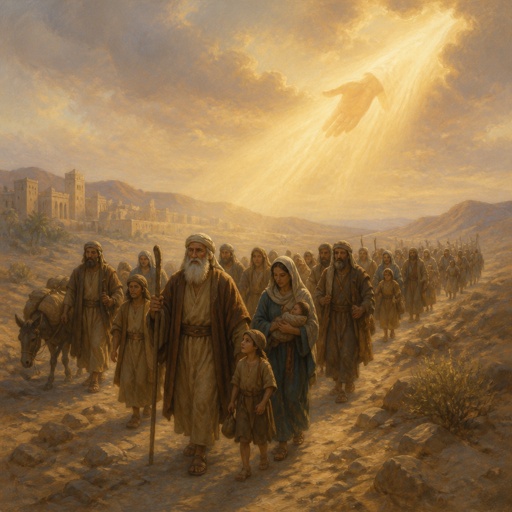
"The God of this people of Israel chose our fathers, and exalted the people when they dwelt as strangers in the land of Egypt, and with an high arm brought he them out of it." - Acts 13:17

Acts 21:17 - "And when we were come to Jerusalem, the brethren received us gladly."

Acts 13:37 - "But he, whom God raised again, saw no corruption."

Acts 2:13 - "Others mocking said, These men are full of new wine."

Acts 13:13 - "Now when Paul and his company loosed from Paphos, they came to Perga in Pamphylia: and John departing from them returned to Jerusalem."

Acts 18:13 - "Saying, This fellow persuadeth men to worship God contrary to the law."