What does Acts 17:2-3 mean?
“And Paul, as his manner was, went in unto them, and three sabbath days reasoned with them out of the scriptures, Opening and alleging, that Christ must needs have suffered, and risen again from the dead; and that this Jesus, whom I preach unto you, is Christ.” — Acts 17:2-3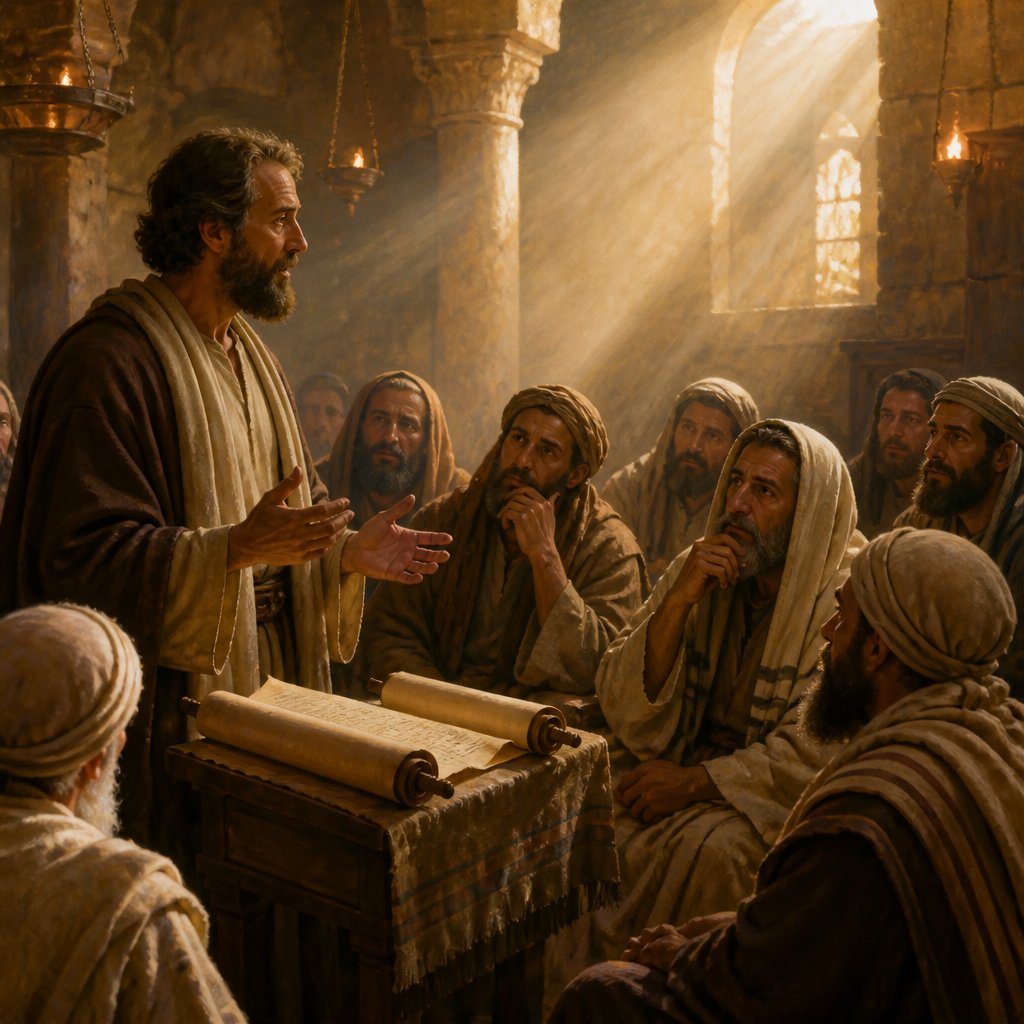
Acts 17:2-3 (KJV) - "And Paul, as his manner was, went in unto them, and three sabbath days reasoned with them out of the scriptures, Opening and alleging, that Christ must needs have suffered, and risen again from the dead; and that this Jesus, whom I preach unto you, is Christ."
The book of Acts is the fifth book of the New Testament and is often considered as the sequel to the Gospel of Luke, written by the same author. It was written by Luke, a physician and a companion of the apostle Paul. The book of Acts mainly focuses on the early Christian church, its growth, and the ministry of the apostles after Jesus' ascension. Acts 17:2-3 is part of the narrative of Paul's missionary journey to Thessalonica, where he enters the synagogue and reasons with the Jews from the scriptures.
In these two verses, we see Paul's method of evangelism. It says that "Paul, as his manner was, went in unto them, and three sabbath days reasoned with them out of the scriptures." This shows that Paul's approach in preaching the gospel was to engage in logical and reasoned discussion with the people, especially the Jews who were familiar with the Old Testament scriptures. Paul used the scriptures to explain and prove that Jesus is the promised Messiah. This emphasizes the importance of studying and understanding the Word of God in order to effectively share the gospel with others.
The content of Paul's reasoning with the Jews is outlined in the following verse, which says, "Opening and alleging, that Christ must needs have suffered, and risen again from the dead; and that this Jesus, whom I preach unto you, is Christ." Here, Paul elaborates on the core message of the gospel, emphasizing the necessity of Christ's suffering, death, and resurrection. This is a foundational aspect of Christian doctrine, as it points to the atoning work of Christ on the cross and His victory over sin and death through His resurrection.
One of the key themes in these verses is the fulfillment of Old Testament prophecies in the person of Jesus Christ. Paul uses the scriptures to demonstrate that Jesus fulfills the messianic prophecies and is the long-awaited Savior that the Jewish people had been anticipating. This highlights the continuity between the Old Testament and the New Testament, showing how Jesus' life, death, and resurrection were in accordance with God's plan as revealed in the scriptures.
Another theme present in this passage is the importance of the resurrection of Jesus. Paul emphasizes that Christ "must needs have suffered, and risen again from the dead." The resurrection is a central tenet of the Christian faith, as it validates Jesus' claims of being the Messiah and the Son of God. It also provides hope for believers, as it demonstrates the defeat of death and the promise of eternal life.
Moreover, these verses convey the idea of the exclusivity of Christ as the Messiah. Paul boldly proclaims that "this Jesus, whom I preach unto you, is Christ." He asserts that there is no other name by which salvation can be found (Acts 4:12), and that Jesus is the only way to God (John 14:6). This assertion would have been radical and controversial to the Jewish audience, as it challenged their traditional beliefs and religious practices.
Symbolically, Paul's reasoning in the synagogue represents the ongoing dialogue and conflict between Christianity and Judaism. The synagogue was the center of Jewish religious life, and Paul's engagement with the Jews in this setting symbolizes the clash between the old and the new covenant, as well as the transition from Judaism to Christianity.
In conclusion, Acts 17:2-3 provides valuable insights into Paul's approach to evangelism, the core message of the gospel, and the themes of fulfillment of prophecy, the resurrection of Christ, and the exclusivity of Jesus as the Messiah. This passage serves as a reminder for believers to engage in thoughtful and scripturally grounded evangelism, and to boldly proclaim the foundational truths of the Christian faith.
Get our apps


Artwork for Acts 17:2-3

Acts 17:2-3 - "As was his custom, Paul went into the synagogue, and on three Sabbath days he reasoned with them from the Scriptures, explaining and proving that the Messiah had to suffer and rise from the dead. "This Jesus I am proclaiming to you is the Messiah," he said."
"As was his custom, Paul went into the synagogue, and on three Sabbath days he reasoned with them from the Scriptures, explaining and proving that the Messiah had to suffer and rise from the dead. "This Jesus I am proclaiming to you is the Messiah," he said." - Acts 17:2-3

Acts 2:17

Acts 2:17

Acts 2:17

Acts 2:2-3

Acts 2:2-3

Acts 2:3

Acts 3:17 - "And now, brethren, I wot that through ignorance ye did it, as did also your rulers."

create an image to show Acts 2:17

Acts 17:2 - "And Paul, as his manner was, went in unto them, and three sabbath days reasoned with them out of the scriptures,"

Acts 2:3 - "And there appeared unto them cloven tongues like as of fire, and it sat upon each of them."

Acts 17:3 - "Opening and alleging, that Christ must needs have suffered, and risen again from the dead; and that this Jesus, whom I preach unto you, is Christ." respectful, symbolic bible verse art

2 Kings 21:17 - "¶ Now the rest of the acts of Manasseh, and all that he did, and his sin that he sinned, are they not written in the book of the chronicles of the kings of Judah?"

2 Corinthians 3:17 - "Now the Lord is that Spirit: and where the Spirit of the Lord is, there is liberty."

Acts 2;2-3

Acts 16:17

Acts 14:17

Acts 17:15
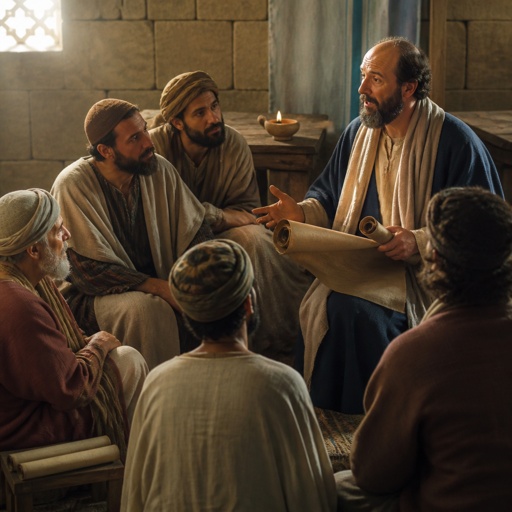
"And Paul, as his manner was, went in unto them, and three sabbath days reasoned with them out of the scriptures," - Acts 17:2
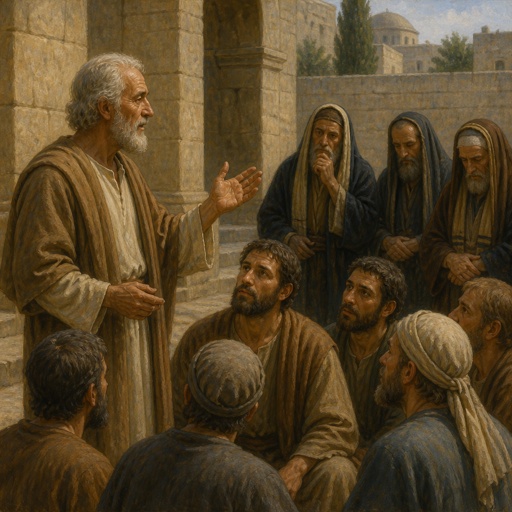
"And now, brethren, I wot that through ignorance ye did it, as did also your rulers." - Acts 3:17

Acts 17:27

2 Timothy 3:17 - "That the man of God may be perfect, throughly furnished unto all good works."

2 Thessalonians 3:17 - "The salutation of Paul with mine own hand, which is the token in every epistle: so I write."

Acts 17:17 - "Therefore disputed he in the synagogue with the Jews, and with the devout persons, and in the market daily with them that met with him."

2 Chronicles 17:3 - "And the LORD was with Jehoshaphat, because he walked in the first ways of his father David, and sought not unto Baalim;"

2 Kings 17:3 - "Against him came up Shalmaneser king of Assyria; and Hoshea became his servant, and gave him presents."

2 Samuel 3:17 - "¶ And Abner had communication with the elders of Israel, saying, Ye sought for David in times past to be king over you:"

"And there appeared unto them cloven tongues like as of fire, and it sat upon each of them." - Acts 2:3

Acts 3:16