What does Acts 17:28 mean?
“For in him we live, and move, and have our being; as certain also of your own poets have said, For we are also his offspring.” — Acts 17:28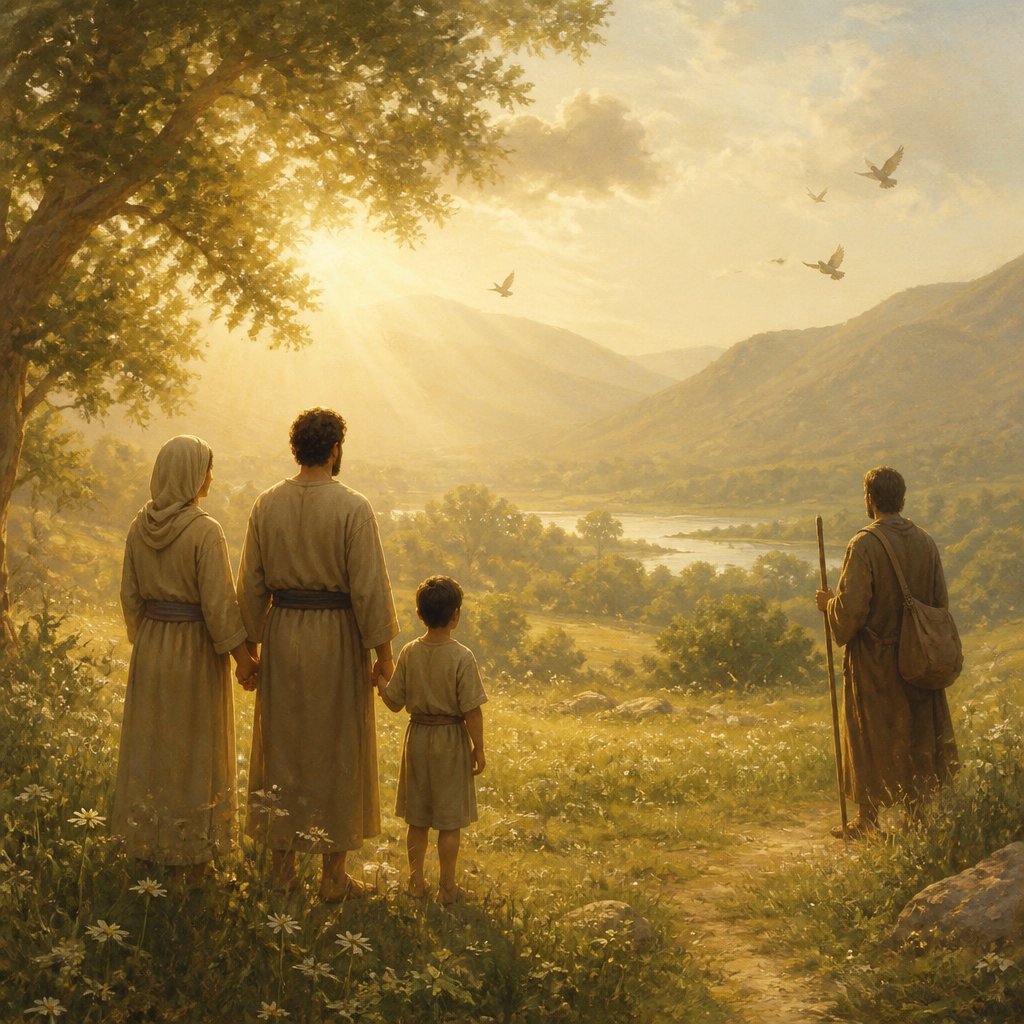
Acts 17:28 from the King James Version (KJV) of the Bible reads, "For in him we live, and move, and have our being; as certain also of your own poets have said, For we are also his offspring." This verse is part of a larger passage in which the apostle Paul is preaching to the people of Athens, specifically addressing the city's numerous idols and the concept of an unknown God.
The verse itself is a profound statement about the nature of God and his relationship to humanity. It emphasizes the omnipresence and the immanence of God. In Him, we live, move, and have our being. This language suggests that God is the very source and sustainer of our existence. It highlights the intimate and constant connection between God and His creation. The phrase "in Him we live, and move, and have our being" expresses the idea that every aspect of our lives is dependent on God. We are not independent of Him, but rather utterly reliant on Him for our existence.
The phrase "as certain also of your own poets have said" is a reference to a line from a poem by the poet Aratus, who was a Cilician Greek philosopher. This reference was an effective way for Paul to connect with his audience, as they would have been familiar with the quote. By referencing their own poets, Paul shows an understanding and respect for their culture and beliefs while also using the quote to illustrate his point about the relationship between humanity and God.
The second part of the verse, "For we are also his offspring," serves to further emphasize the idea of God's intimate relationship with humanity. This phrase is a reference to another Greek poet, Cleanthes, who expressed a similar sentiment in his Hymn to Zeus. By using this reference, Paul is once again connecting with his audience and using their own cultural context to convey his message.
Overall, this verse speaks to the universal presence of God and His direct relationship with humanity. It highlights the divine connection that exists between God and His creation, emphasizing the profound and essential nature of this relationship.
One of the key themes of this verse is the sovereignty of God and the dependence of humanity on Him. It underscores the idea that God is the source of all life and that our existence is sustained by Him. This theme is a fundamental aspect of the Christian faith, emphasizing the need for humility and acknowledgment of our reliance on God.
Another theme present in this verse is the idea of God's immanence. The verse suggests that God is not distant or removed from His creation, but rather intimately involved in every aspect of our lives. This concept of God's immanence is a comforting and powerful reminder of His constant presence and care for His people.
The context of this verse is also significant. Paul's audience in Athens was steeped in a culture of idol worship and philosophical speculation. By addressing them in this way, Paul is challenging their beliefs and pointing them towards the truth of the Gospel. The use of the quotes from their own poets shows Paul's willingness to engage with their cultural context and use it to convey the message of Christ.
In terms of symbolism, this verse serves as a powerful reminder of the intimate and dependent relationship between God and humanity. It symbolizes the ongoing and constant presence of God in every aspect of our lives, as well as His role as the sustainer of our existence.
In conclusion, Acts 17:28 from the King James Version of the Bible is a profound and impactful statement about the nature of God and His relationship with humanity. It emphasizes His sovereignty, His immanence, and the close connection between God and His creation. This verse serves as a reminder of the profound and essential role that God plays in every aspect of our lives, as well as a challenge to acknowledge our dependence on Him. It also serves as a powerful example of how to engage with different cultural contexts in sharing the message of the Gospel.
Get our apps


Artwork for Acts 17:28
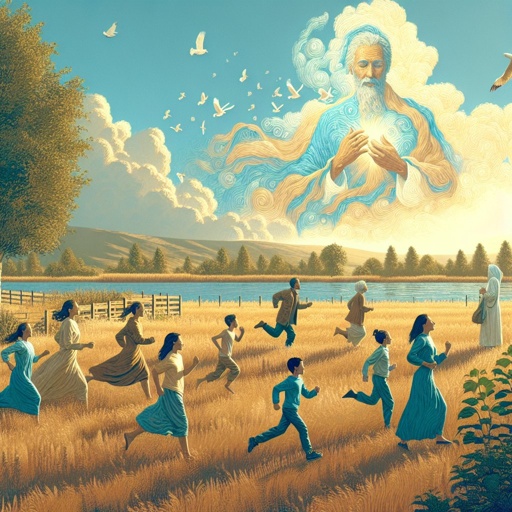
Acts 17:28 - "For in him we live, and move, and have our being; as certain also of your own poets have said, For we are also his offspring."

In him we live , move , and have our being Acts 17:28
"For in him we live, and move, and have our being; as certain also of your own poets have said, For we are also his offspring." - Acts 17:28

Acts 28:12

Acts 28:28 - "Be it known therefore unto you, that the salvation of God is sent unto the Gentiles, and that they will hear it."

Acts 2:17

Acts 2:17

Acts 14:28 - "And there they abode long time with the disciples."

Acts 2:17

Genesis 28-17

Acts 28:12 - "And landing at Syracuse, we tarried there three days."

Acts 28:17 - "And it came to pass, that after three days Paul called the chief of the Jews together: and when they were come together, he said unto them, Men and brethren, though I have committed nothing against the people, or customs of our fathers, yet was I delivered prisoner from Jerusalem into the hands of the Romans."

Acts 9:28 - "And he was with them coming in and going out at Jerusalem."

Acts 16:17

Acts 14:17

Acts 17:15

Acts 17:27

Acts 28:1 - "And when they were escaped, then they knew that the island was called Melita."

Acts 28:5 - "And he shook off the beast into the fire, and felt no harm."

Acts 8:28 - "Was returning, and sitting in his chariot read Esaias the prophet."

Proverbs 17:27-28

Proverbs 17:27-28

Proverbs 17:27-28

Acts 28:24 - "And some believed the things which were spoken, and some believed not."

Acts 7:28 - "Wilt thou kill me, as thou diddest the Egyptian yesterday?"

Acts 18:28 - "For he mightily convinced the Jews, and that publickly, shewing by the scriptures that Jesus was Christ."

Acts 26:28 - "Then Agrippa said unto Paul, Almost thou persuadest me to be a Christian."

Acts 4:28 - "For to do whatsoever thy hand and thy counsel determined before to be done."

Acts 17:17 - "Therefore disputed he in the synagogue with the Jews, and with the devout persons, and in the market daily with them that met with him."

"And there they abode long time with the disciples." - Acts 14:28