What does Acts 1:19 mean?
"And it was known unto all the dwellers at Jerusalem; insomuch as that field is called in their proper tongue, Aceldama, that is to say, The field of blood." - Acts 1:19
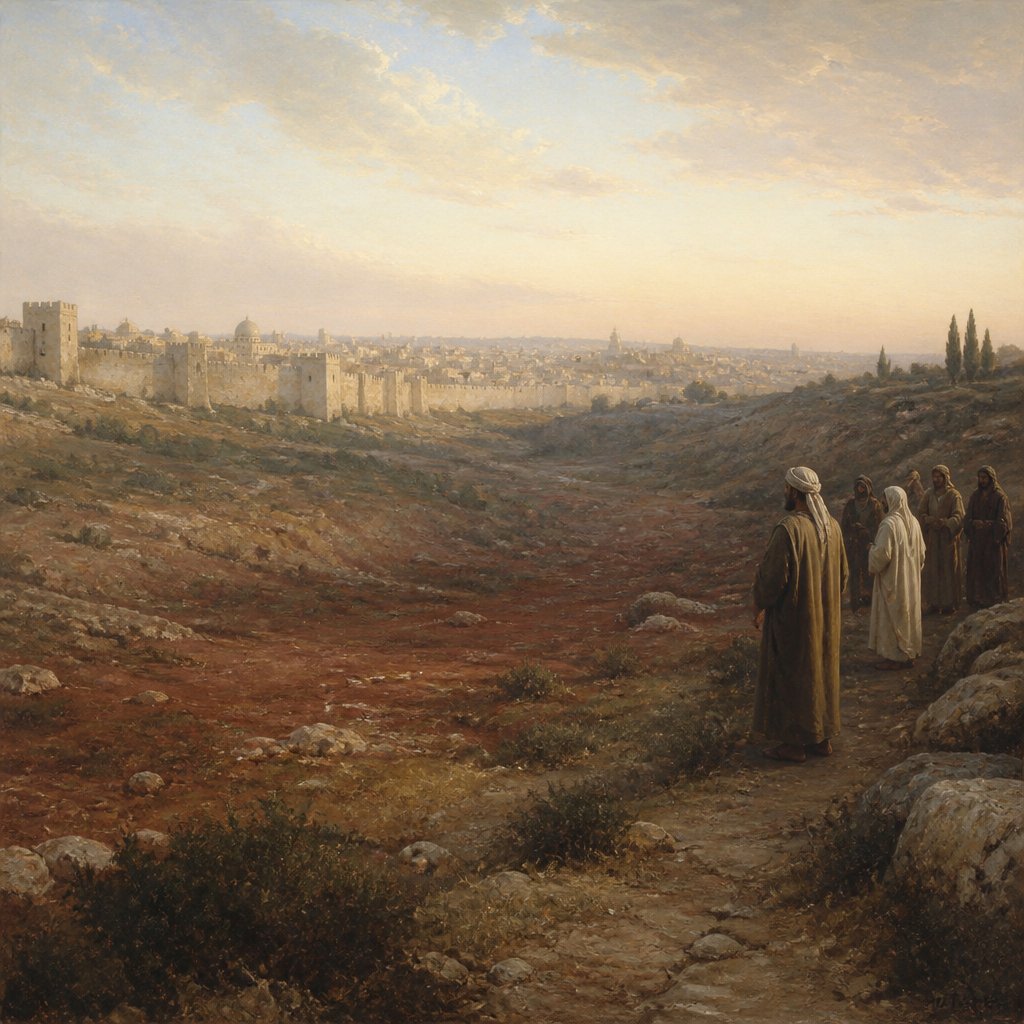
Acts 1:19 in the King James Version of the Bible reads, "And it was known unto all the dwellers at Jerusalem; insomuch as that field is called in their proper tongue, Aceldama, that is to say, The field of blood."
This verse takes place after the death of Judas Iscariot, who had betrayed Jesus, and the selection of Matthias to take his place among the twelve apostles. This verse explains the origins of the name "Aceldama," which means "The field of blood."
The context of this verse is important in understanding its meaning. Following the betrayal of Jesus by Judas Iscariot, he became overwhelmed with guilt and shame and ultimately took his own life. In an act of regret and desperation, he went to the chief priests and elders and threw the pieces of silver that he had been paid to betray Jesus into the temple. Then, he went out and hanged himself. The chief priests and elders then used the money to buy a potter's field, which they used as a burial place for foreigners. The field came to be known as "The field of blood" because it was purchased with blood money, and it served as a cemetery for those who were not of Jewish descent.
The symbolism in this verse is powerful and multifaceted. Firstly, it serves as a reminder of the intense emotions of guilt and shame that can lead individuals to make drastic, irreversible decisions. Judas's betrayal of Jesus and his subsequent suicide serve as a cautionary tale about the destructive nature of sin and the importance of seeking forgiveness and redemption.
Secondly, the field of blood symbolizes the consequences of betrayal and the weight of unrighteous actions. The fact that it was purchased with blood money and became a burial ground for foreigners highlights the idea that sin and wickedness have real, tangible consequences that cannot be easily undone.
The field of blood also serves as a symbol of the ultimate sacrifice of Jesus Christ. His blood was shed for the forgiveness of sins, and the field serves as a stark contrast to this, being a place associated with guilt, shame, and death. It stands as a reminder of the atoning power of Christ's sacrifice, and the contrast between the redemption offered by Jesus and the destruction caused by sin.
The naming of the field in the "proper tongue" is another point of significance in this verse. The fact that the name "Aceldama" is provided in its original language serves as a reminder of the universality of the consequences of sin. It is known "unto all the dwellers at Jerusalem," emphasizing the widespread knowledge of the field and its association with Judas's betrayal. This highlights the idea that sin and its ramifications are not confined to one particular group or culture, but rather affect all people.
The themes present in this verse include the consequences of betrayal and sin, the power of sacrifice and redemption, and the universality of human frailty. It serves as a sobering reminder of the destructive nature of sin and the importance of seeking forgiveness and redemption through the atonement of Jesus Christ.
In conclusion, Acts 1:19 in the King James Version of the Bible provides a rich and powerful commentary on the consequences of sin and the ultimate sacrifice of Jesus Christ. Its symbolism and themes serve as a thought-provoking reflection on the human condition and the need for redemption.
Have questions about Acts 1:19?
Dive deeper into this scripture with Bible Chat — an AI-powered tool for exploring God's Word through conversation. Ask questions, get context, and grow in your understanding of the Bible.
Get Our Apps


Acts 1:19 Artwork

Acts 1:19 - "And it was known unto all the dwellers at Jerusalem; insomuch as that field is called in their proper tongue, Aceldama, that is to say, The field of blood."
"And it was known unto all the dwellers at Jerusalem; insomuch as that field is called in their proper tongue, Aceldama, that is to say, The field of blood." - Acts 1:19

Depict the events of Acts 19:14-17

Acts 1:9 - "And when he had spoken these things, while they beheld, he was taken up; and a cloud received him out of their sight."
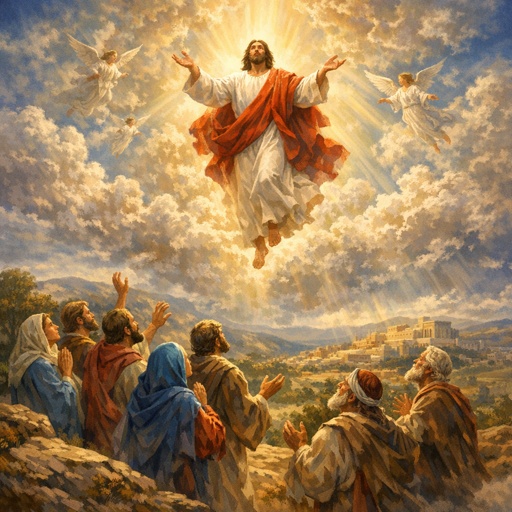
"And when he had spoken these things, while they beheld, he was taken up; and a cloud received him out of their sight." - Acts 1:9

1 Kings 14:19 - "And the rest of the acts of Jeroboam, how he warred, and how he reigned, behold, they are written in the book of the chronicles of the kings of Israel."

Acts 19:1 - "And it came to pass, that, while Apollos was at Corinth, Paul having passed through the upper coasts came to Ephesus: and finding certain disciples,"

Acts 19: 11

Acts 19:11
"And when he had spoken these things, while they beheld, he was taken up; and a cloud received him out of their sight." - Acts 1:9

Acts 19:7 - "And all the men were about twelve."

Acts 19:11 - "And God wrought special miracles by the hands of Paul:"

Acts 19:20 - "So mightily grew the word of God and prevailed."

Acts 19:18 - "And many that believed came, and confessed, and shewed their deeds."

Acts 19:23 - "And the same time there arose no small stir about that way."

Acts 19:5 - "When they heard this, they were baptized in the name of the Lord Jesus."

Acts 19:41 - "And when he had thus spoken, he dismissed the assembly."

Acts 26:19 - "Whereupon, O king Agrippa, I was not disobedient unto the heavenly vision:"

Acts 27:19 - "And the third day we cast out with our own hands the tackling of the ship."

Acts 19:30 - "And when Paul would have entered in unto the people, the disciples suffered him not."

Acts 5:19 - "But the angel of the Lord by night opened the prison doors, and brought them forth, and said,"

Acts 19:36 - "Seeing then that these things cannot be spoken against, ye ought to be quiet, and to do nothing rashly."

Acts 19:19 - "Many of them also which used curious arts brought their books together, and burned them before all men: and they counted the price of them, and found it fifty thousand pieces of silver."

Acts 19:14 - "And there were seven sons of one Sceva, a Jew, and chief of the priests, which did so."

Acts 18:19 - "And he came to Ephesus, and left them there: but he himself entered into the synagogue, and reasoned with the Jews."

Acts 19:39 - "But if ye enquire any thing concerning other matters, it shall be determined in a lawful assembly."

Acts 24:19 - "Who ought to have been here before thee, and object, if they had ought against me."

Acts 2:19 - "And I will shew wonders in heaven above, and signs in the earth beneath; blood, and fire, and vapour of smoke:"

Acts 19:15 - "And the evil spirit answered and said, Jesus I know, and Paul I know; but who are ye?"

Acts 19:28 - "And when they heard these sayings, they were full of wrath, and cried out, saying, Great is Diana of the Ephesians."