What does Acts 21:29 mean?
“( For they had seen before with him in the city Trophimus an Ephesian, whom they supposed that Paul had brought into the temple.)” — Acts 21:29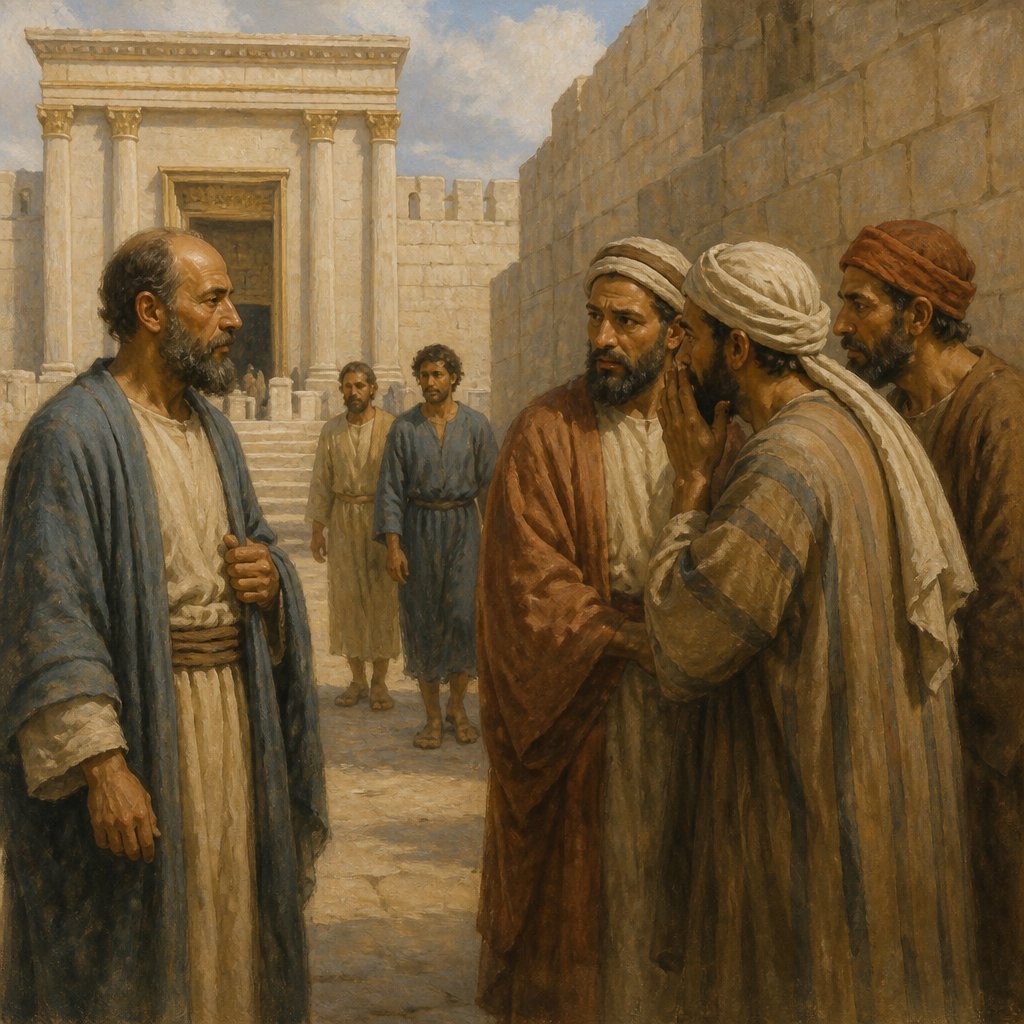
In Acts 21:29, the King James Version (KJV) reads, "For they had seen before with him in the city Trophimus an Ephesian, whom they supposed that Paul had brought into the temple." This particular verse comes from the book of Acts, which is the fifth book of the New Testament and the twenty-first chapter of the book. The verse is part of the narrative of Paul's visit to Jerusalem and the events that ensue as he seeks to reconcile the Jewish and Gentile Christian communities.
The context of Acts 21:29 is crucial to understanding its significance. In the preceding verses, Paul arrives in Jerusalem, where he is greeted warmly by the brethren, including James and the elders of the church. However, the Jewish Christians there still hold to the customs and traditions of the Mosaic Law, and they express concern about Paul's teachings, particularly his stance on the law and its observance. To allay their fears, the elders advise Paul to participate in a Nazarite vow with four men who have taken the vow, as a way to show that he still practices the Jewish customs.
It is in this context that the incident in Acts 21:29 occurs. Paul is at the temple, fulfilling the requirements of the Nazarite vow, when some Jews from Asia recognize him and stir up the crowd against him, accusing him of teaching against the people, the law, and the temple. In the midst of the chaos, they point out that Paul had brought Trophimus, an Ephesian, into the temple, an action that was strictly forbidden for Gentiles and could result in severe consequences.
The themes present in this verse are multifaceted and include the tension between Jewish and Gentile believers, the observance of the Mosaic Law, and the challenges of cultural and religious diversity within the early church. At its core, Acts 21:29 speaks to the issue of cultural and religious sensitivity and the challenges that arise when different traditions and beliefs intersect within the Christian community.
The incident involving Paul and Trophimus also serves as a powerful symbol of the broader conflict within the early church regarding the inclusion of Gentiles and the observance of the Mosaic Law. Throughout the book of Acts, the tension between Jewish and Gentile believers is a recurring theme, as the early church grapples with the implications of Jesus' teachings for both groups.
In Acts 21:29, the presence of Trophimus in the temple becomes a catalyst for the hostility that erupts against Paul, highlighting the deep-seated prejudices and cultural divisions that were present within the early church. The verse serves as a reminder of the challenges that arise when different cultural and religious traditions intersect, and the need for sensitivity and understanding in navigating these complex dynamics.
Furthermore, Acts 21:29 also underscores the broader theological themes of the book of Acts, specifically the universal scope of the gospel and the inclusion of all people, regardless of their cultural or religious background. The incident with Trophimus raises profound questions about the nature of the gospel and its implications for the diversity of the Christian community. It challenges the early believers to confront their biases and prejudices and to recognize the transformative power of the gospel in transcending cultural and religious barriers.
In conclusion, Acts 21:29 is a rich and complex verse that holds profound significance within the broader narrative of the book of Acts. Its themes of cultural and religious diversity, the tension between Jewish and Gentile believers, and the universal scope of the gospel speak to the timeless challenges and opportunities of Christian community. As Christians continue to navigate the complexities of cultural and religious diversity in the modern world, Acts 21:29 stands as a poignant reminder of the transformative power of the gospel in overcoming divisions and uniting believers from all walks of life.
Get our apps


Artwork for Acts 21:29

Acts 21:29 - "(For they had seen before with him in the city Trophimus an Ephesian, whom they supposed that Paul had brought into the temple.)"
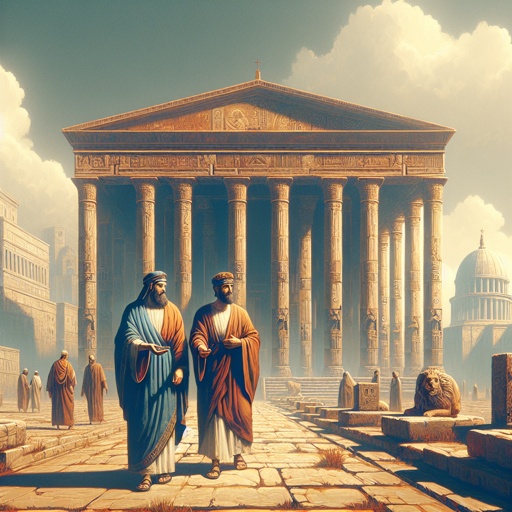
Acts 21:29 - "(For they had seen before with him in the city Trophimus an Ephesian, whom they supposed that Paul had brought into the temple.)"
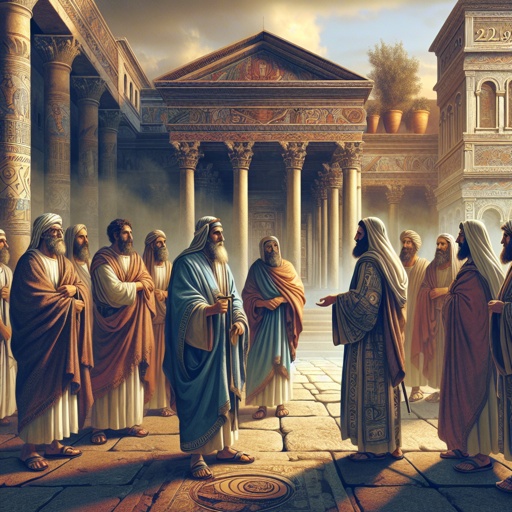
Acts 21:29 - "(For they had seen before with him in the city Trophimus an Ephesian, whom they supposed that Paul had brought into the temple.)"
"(For they had seen before with him in the city Trophimus an Ephesian, whom they supposed that Paul had brought into the temple.)" - Acts 21:29

Genesis 21-29

put on a scroll acts 15:29

1 Chronicles 29:29 - "Now the acts of David the king, first and last, behold, they are written in the book of Samuel the seer, and in the book of Nathan the prophet, and in the book of Gad the seer,"

Acts 1:21-23

Acts 1:21-22

Acts 8:29 - "Then the Spirit said unto Philip, Go near, and join thyself to this chariot."

Acts 21:5-6

Acts 1:21-22

The Plague of Darkness - Exodus 10:21-29

The Plague of Darkness - Exodus 10:21-29

The Plague of Darkness - Exodus 10:21-29

The Plague of Darkness - Exodus 10:21-29

The Plague of Darkness - Exodus 10:21-29

Acts 16:29 - "Then he called for a light, and sprang in, and came trembling, and fell down before Paul and Silas,"

Acts 7:29 - "Then fled Moses at this saying, and was a stranger in the land of Madian, where he begat two sons."

The Plague of Darkness - Exodus 10:21-29

The Plague of Darkness - Exodus 10:21-29

The Plague of Darkness - Exodus 10:21-29

The Plague of Darkness - Exodus 10:21-29

The Plague of Darkness - Exodus 10:21-29

Matthew 21:29 - "He answered and said, I will not: but afterward he repented, and went."

Acts 5:29 - "¶ Then Peter and the other apostles answered and said, We ought to obey God rather than men."

Acts 28:29 - "And when he had said these words, the Jews departed, and had great reasoning among themselves."

Luke 21:29 - "And he spake to them a parable; Behold the fig tree, and all the trees;"

Joshua 21:29 - "Jarmuth with her suburbs, En-gannim with her suburbs; four cities."

1 Kings 14:29 - "¶ Now the rest of the acts of Rehoboam, and all that he did, are they not written in the book of the chronicles of the kings of Judah?"