What does Acts 2:19 mean?
"And I will shew wonders in heaven above, and signs in the earth beneath; blood, and fire, and vapour of smoke:" - Acts 2:19
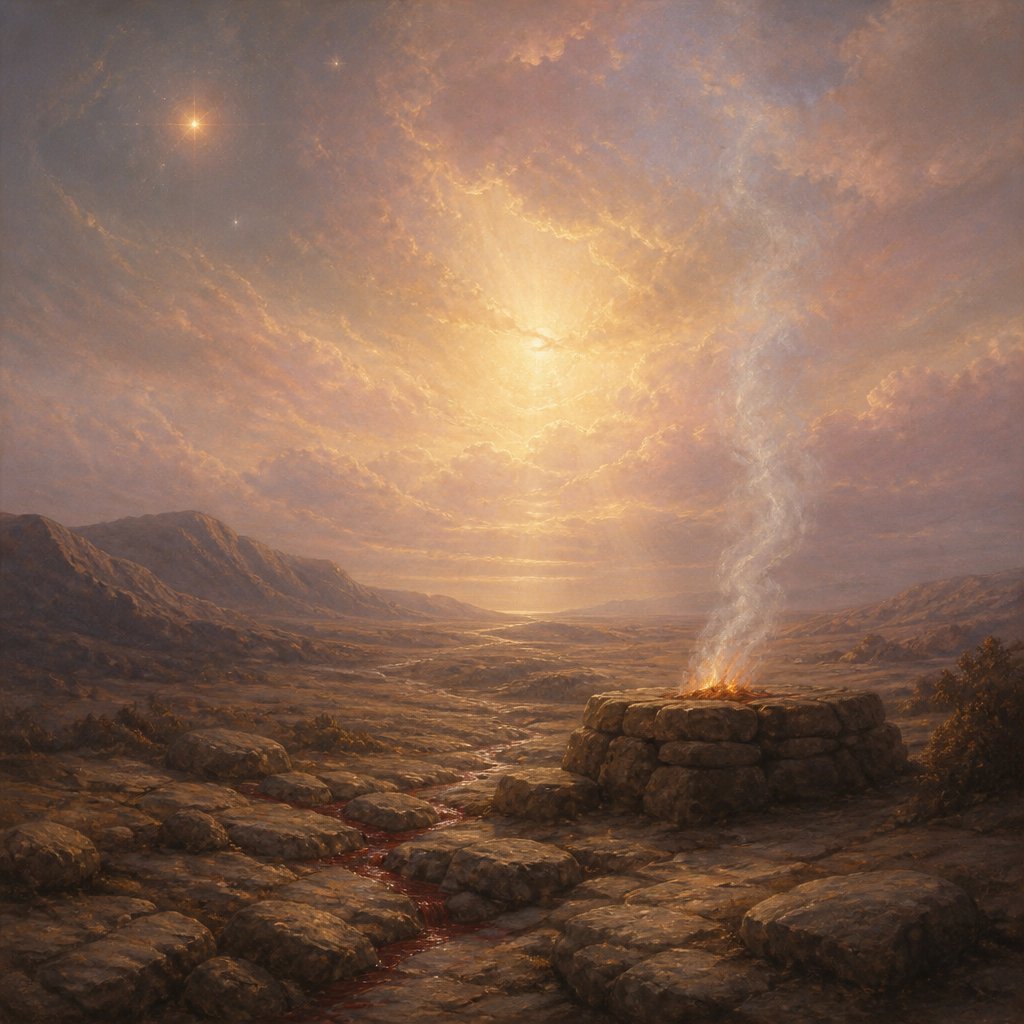
Acts 2:19 from the King James Version of the Bible reads: "And I will shew wonders in heaven above, and signs in the earth beneath; blood, and fire, and vapour of smoke."
This verse is a part of a larger passage that describes the coming of the Holy Spirit on the day of Pentecost. The apostles were filled with the Holy Spirit, and they began to speak in other languages, which enabled them to communicate the gospel to people from different nations who were gathered in Jerusalem. This miraculous event marked the beginning of the church, and it foreshadowed the fulfillment of Jesus' promise to his disciples that they would receive power from the Holy Spirit and be his witnesses to the ends of the earth (Acts 1:8).
In Acts 2:19, Peter quotes the prophet Joel to explain the signs and wonders that the people were witnessing as a result of the outpouring of the Holy Spirit. By referencing the prophet Joel, Peter is not only confirming the validity of the events as foretold by the Old Testament, but he is also interpreting the significance of the signs and wonders in light of God's redemptive plan.
The verse begins with the declaration, "And I will shew wonders in heaven above." This statement points to the supernatural and divine nature of the signs that God will display. The "wonders in heaven" could refer to celestial phenomena such as eclipses, comets, or other extraordinary events that would capture the attention and awe of the people. These celestial wonders serve as a visible demonstration of God's power and sovereignty over creation.
The phrase "signs in the earth beneath" further emphasizes the tangible and visible manifestations of God's intervention in the earthly realm. These signs could include natural disasters, such as earthquakes, storms, or volcanic eruptions, which are often associated with divine judgment or God's presence in the Old Testament. The idea of "signs" also suggests that these events have a symbolic and prophetic meaning that points to a larger spiritual reality.
The specific mention of "blood, and fire, and vapor of smoke" evokes powerful imagery that is rich in biblical symbolism. Blood is often associated with sacrifice, atonement, and the redemptive work of Christ. The mention of fire could allude to the purifying and refining work of the Holy Spirit, as well as the consuming fire of God's presence. The "vapor of smoke" may symbolize the transient and ephemeral nature of human life, as well as the incense and prayers of the saints rising up to God (Revelation 8:4).
The overall theme of Acts 2:19 is the manifestation of God's power and presence through supernatural signs and wonders. These phenomena are not merely random or chaotic events, but they are purposeful displays of God's sovereignty and redemptive plan. The imagery of blood, fire, and vapor of smoke also points to the themes of sacrifice, purification, and the fleeting nature of human existence.
In a broader context, this verse also serves as a reminder of the continuity between the Old Testament prophecies and the fulfillment of God's promises in the New Testament. The events of Pentecost and the subsequent spread of the gospel to the nations are in accordance with God's plan as revealed in the Scriptures.
In conclusion, Acts 2:19 is a powerful and evocative verse that highlights the supernatural signs and wonders that accompanied the outpouring of the Holy Spirit on the day of Pentecost. The imagery of blood, fire, and vapor of smoke carries deep theological significance and points to the redemptive work of Christ and the transformative power of the Holy Spirit. This verse serves as a reminder of God's sovereignty, his faithfulness to his promises, and the continuity of his plan throughout history.
Have questions about Acts 2:19?
Dive deeper into this scripture with Bible Chat — an AI-powered tool for exploring God's Word through conversation. Ask questions, get context, and grow in your understanding of the Bible.
Get Our Apps


Acts 2:19 Artwork

Acts 2:19 - "And I will shew wonders in heaven above, and signs in the earth beneath; blood, and fire, and vapour of smoke:"
"And I will shew wonders in heaven above, and signs in the earth beneath; blood, and fire, and vapour of smoke:" - Acts 2:19

2 Kings 12:19 - "¶ And the rest of the acts of Joash, and all that he did, are they not written in the book of the chronicles of the kings of Judah?"

2 Kings 16:19 - "¶ Now the rest of the acts of Ahaz which he did, are they not written in the book of the chronicles of the kings of Judah?"

Acts 19: 11

Acts 19:11
Acts 19:2 - "He said unto them, Have ye received the Holy Ghost since ye believed? And they said unto him, We have not so much as heard whether there be any Holy Ghost."

Acts 19:7 - "And all the men were about twelve."

Acts 19:11 - "And God wrought special miracles by the hands of Paul:"

"¶ And the rest of the acts of Joash, and all that he did, are they not written in the book of the chronicles of the kings of Judah?" - 2 Kings 12:19

Acts 19:20 - "So mightily grew the word of God and prevailed."

Acts 19:18 - "And many that believed came, and confessed, and shewed their deeds."

Acts 19:23 - "And the same time there arose no small stir about that way."

Acts 19:5 - "When they heard this, they were baptized in the name of the Lord Jesus."

2 Kings 23:19 - "And all the houses also of the high places that were in the cities of Samaria, which the kings of Israel had made to provoke the LORD to anger, Josiah took away, and did to them according to all the acts that he had done in Beth-el."

"¶ Now the rest of the acts of Ahaz which he did, are they not written in the book of the chronicles of the kings of Judah?" - 2 Kings 16:19

Depict the events of Acts 19:14-17

Acts 19:41 - "And when he had thus spoken, he dismissed the assembly."

Acts 2:2

Acts 2:2

Acts 26:19 - "Whereupon, O king Agrippa, I was not disobedient unto the heavenly vision:"

Acts 27:19 - "And the third day we cast out with our own hands the tackling of the ship."

Acts 19:30 - "And when Paul would have entered in unto the people, the disciples suffered him not."

Acts 5:19 - "But the angel of the Lord by night opened the prison doors, and brought them forth, and said,"

Acts 19:36 - "Seeing then that these things cannot be spoken against, ye ought to be quiet, and to do nothing rashly."

Acts 19:19 - "Many of them also which used curious arts brought their books together, and burned them before all men: and they counted the price of them, and found it fifty thousand pieces of silver."

Acts 18:19 - "And he came to Ephesus, and left them there: but he himself entered into the synagogue, and reasoned with the Jews."

Acts 19:14 - "And there were seven sons of one Sceva, a Jew, and chief of the priests, which did so."

Acts 19:39 - "But if ye enquire any thing concerning other matters, it shall be determined in a lawful assembly."

Acts 24:19 - "Who ought to have been here before thee, and object, if they had ought against me."