What does Acts 2:34 mean?
“For David is not ascended into the heavens: but he saith himself, The LORD said unto my Lord, Sit thou on my right hand,” — Acts 2:34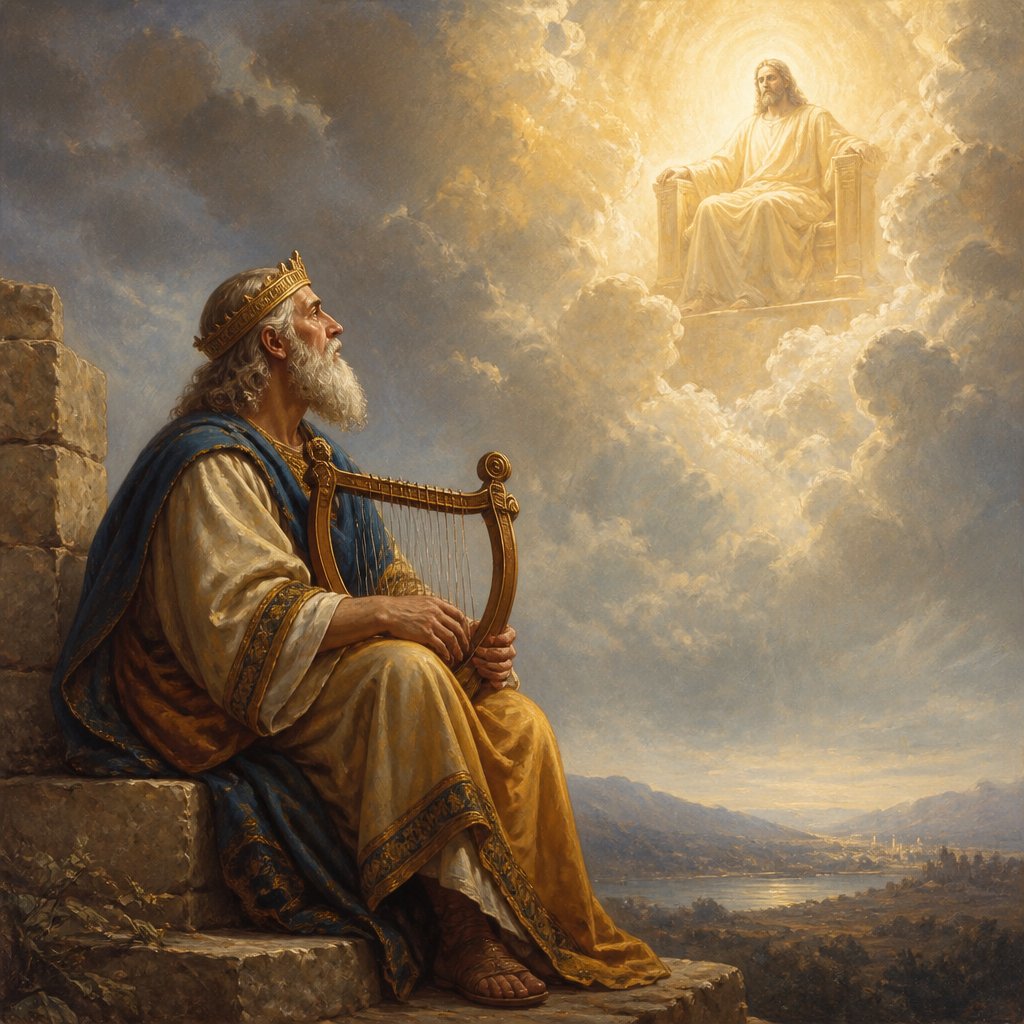
Acts 2:34 (KJV) states: "For David is not ascended into the heavens: but he saith himself, The LORD said unto my Lord, Sit thou on my right hand,"
This verse from the book of Acts is part of Peter's sermon on the day of Pentecost. In this sermon, Peter quotes from Psalm 110, a messianic psalm that speaks of the exaltation of the Messiah. The verse serves to emphasize the exaltation of Jesus Christ and His authority as the Lord.
To understand the full meaning and significance of Acts 2:34, we must first look at its context within Peter's sermon and within the larger narrative of the book of Acts. In Acts 2, we witness the outpouring of the Holy Spirit on the day of Pentecost, which empowers the apostles to preach the Gospel in different languages. This event marks the birth of the Christian church and the fulfillment of Jesus' promise to send the Holy Spirit. Peter, filled with the Holy Spirit, addresses the crowd and proclaims the message of Jesus Christ, presenting evidence from Scripture to prove that Jesus is the Messiah.
When Peter quotes from Psalm 110 in Acts 2:34, he is drawing from a passage that was traditionally understood as a prophecy about the Messiah. The psalm begins with the declaration, "The LORD said unto my Lord, Sit thou at my right hand, until I make thine enemies thy footstool" (Psalm 110:1). This verse speaks of the exaltation and authority of the Messiah, who is seated at the right hand of the Lord. By referencing this passage, Peter is making the claim that Jesus is the fulfillment of this messianic prophecy. He is proclaiming that Jesus, who was crucified and raised from the dead, has been exalted to the right hand of God and has been given authority over all creation.
The significance of Acts 2:34 lies in its affirmation of Jesus' divine authority and exaltation. By stating that David did not ascend into the heavens, Peter is pointing out that David, the author of the psalm, was not speaking about himself, but about the Messiah. Instead, Peter affirms that Jesus is the one who fulfills the prophecy of Psalm 110, as the one who is seated at the right hand of God.
This verse also emphasizes the theme of Jesus' exaltation throughout the book of Acts. Following His resurrection and ascension, Jesus is exalted to the right hand of God, where He reigns as Lord and Savior. This theme of exaltation is central to the Christian message, as it affirms the victory of Jesus over sin and death and His authority as the ruler of the universe.
Furthermore, Acts 2:34 also has a symbolic significance. The placement of Jesus at the right hand of God symbolizes His authority, power, and sovereignty. In ancient Near Eastern culture, sitting at the right hand of a king was a position of honor and authority. By being seated at the right hand of God, Jesus is given the highest position of honor and authority, signifying His role as the divine ruler and judge.
In conclusion, Acts 2:34 is a powerful declaration of Jesus' exaltation and authority as the Messiah. It serves as a key piece of evidence in Peter's sermon, affirming Jesus' fulfillment of messianic prophecy and His position at the right hand of God. This verse highlights the theme of Jesus' exaltation and sovereignty, pointing to His victory over sin and death and His role as the divine ruler of the universe. As believers, we can take comfort and assurance in the fact that Jesus, our Lord and Savior, reigns supreme at the right hand of God.
Get our apps


Artwork for Acts 2:34

Acts 2:34 - "For David is not ascended into the heavens: but he saith himself, The LORD said unto my Lord, Sit thou on my right hand,"
"For David is not ascended into the heavens: but he saith himself, The LORD said unto my Lord, Sit thou on my right hand," - Acts 2:34

2 Kings 10:34 - "Now the rest of the acts of Jehu, and all that he did, and all his might, are they not written in the book of the chronicles of the kings of Israel?"

2 Chronicles 20:34 - "Now the rest of the acts of Jehoshaphat, first and last, behold, they are written in the book of Jehu the son of Hanani, who is mentioned in the book of the kings of Israel."

Acts 15:34 - "Notwithstanding it pleased Silas to abide there still."

Acts 10:34 - "¶ Then Peter opened his mouth, and said, Of a truth I perceive that God is no respecter of persons:"

"Notwithstanding it pleased Silas to abide there still." - Acts 15:34

Acts 20:34 - "Yea, ye yourselves know, that these hands have ministered unto my necessities, and to them that were with me."

Acts 8:34 - "And the eunuch answered Philip, and said, I pray thee, of whom speaketh the prophet this? of himself, or of some other man?"

"Now the rest of the acts of Jehu, and all that he did, and all his might, are they not written in the book of the chronicles of the kings of Israel?" - 2 Kings 10:34

Acts 17:34 - "Howbeit certain men clave unto him, and believed: among the which was Dionysius the Areopagite, and a woman named Damaris, and others with them."

Acts 19:34 - "But when they knew that he was a Jew, all with one voice about the space of two hours cried out, Great is Diana of the Ephesians."

Acts 23:34 - "And when the governor had read the letter, he asked of what province he was. And when he understood that he was of Cilicia;"
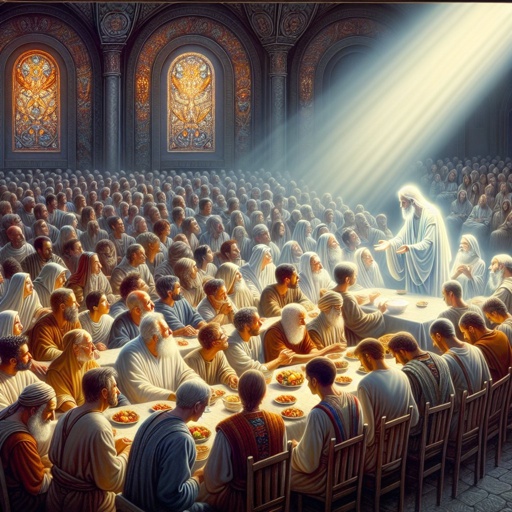
Acts 27:34 - "Wherefore I pray you to take some meat: for this is for your health: for there shall not an hair fall from the head of any of you."
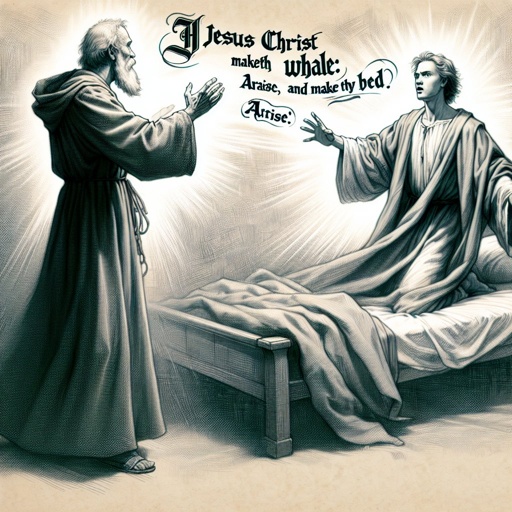
Acts 9:34 - "And Peter said unto him, Aeneas, Jesus Christ maketh thee whole: arise, and make thy bed. And he arose immediately."

Acts 4:34 - "Neither was there any among them that lacked: for as many as were possessors of lands or houses sold them, and brought the prices of the things that were sold,"
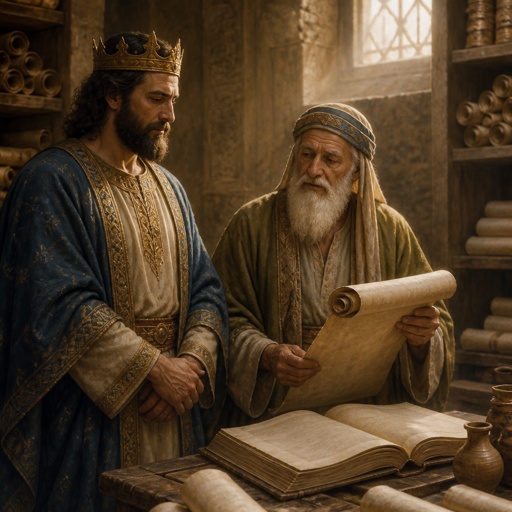
"Now the rest of the acts of Jehoshaphat, first and last, behold, they are written in the book of Jehu the son of Hanani, who is mentioned in the book of the kings of Israel." - 2 Chronicles 20:34

Acts 16:34 - "And when he had brought them into his house, he set meat before them, and rejoiced, believing in God with all his house."

Acts 21:34 - "And some cried one thing, some another, among the multitude: and when he could not know the certainty for the tumult, he commanded him to be carried into the castle."

Acts 2:2

Acts 2:2

Acts 5:34 - "Then stood there up one in the council, a Pharisee, named Gamaliel, a doctor of the law, had in reputation among all the people, and commanded to put the apostles forth a little space;"

Acts 13:34 - "And as concerning that he raised him up from the dead, now no more to return to corruption, he said on this wise, I will give you the sure mercies of David."

2 Chronicles 34:19

2 Chronicles 34:19

Acts 10:34-35 - "Then Peter began to speak: “I now realize how true it is that God does not show favoritism but accepts from every nation the one who fears him and does what is right."

2 kings 9:34-36
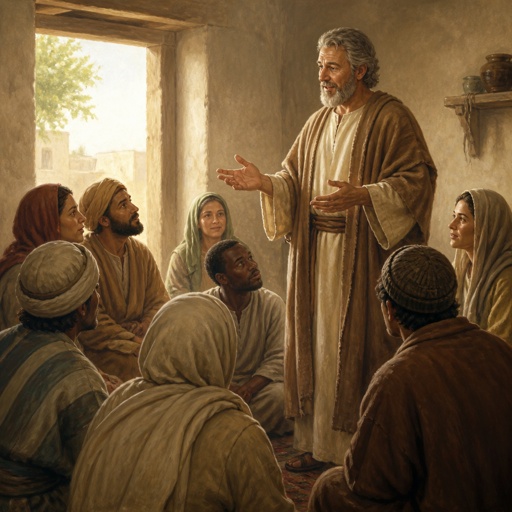
"¶ Then Peter opened his mouth, and said, Of a truth I perceive that God is no respecter of persons:" - Acts 10:34

Acts 2:2-3

Acts 2:2-3