What does Acts 2:36 mean?
“Therefore let all the house of Israel know assuredly, that God hath made that same Jesus, whom ye have crucified, both Lord and Christ.” — Acts 2:36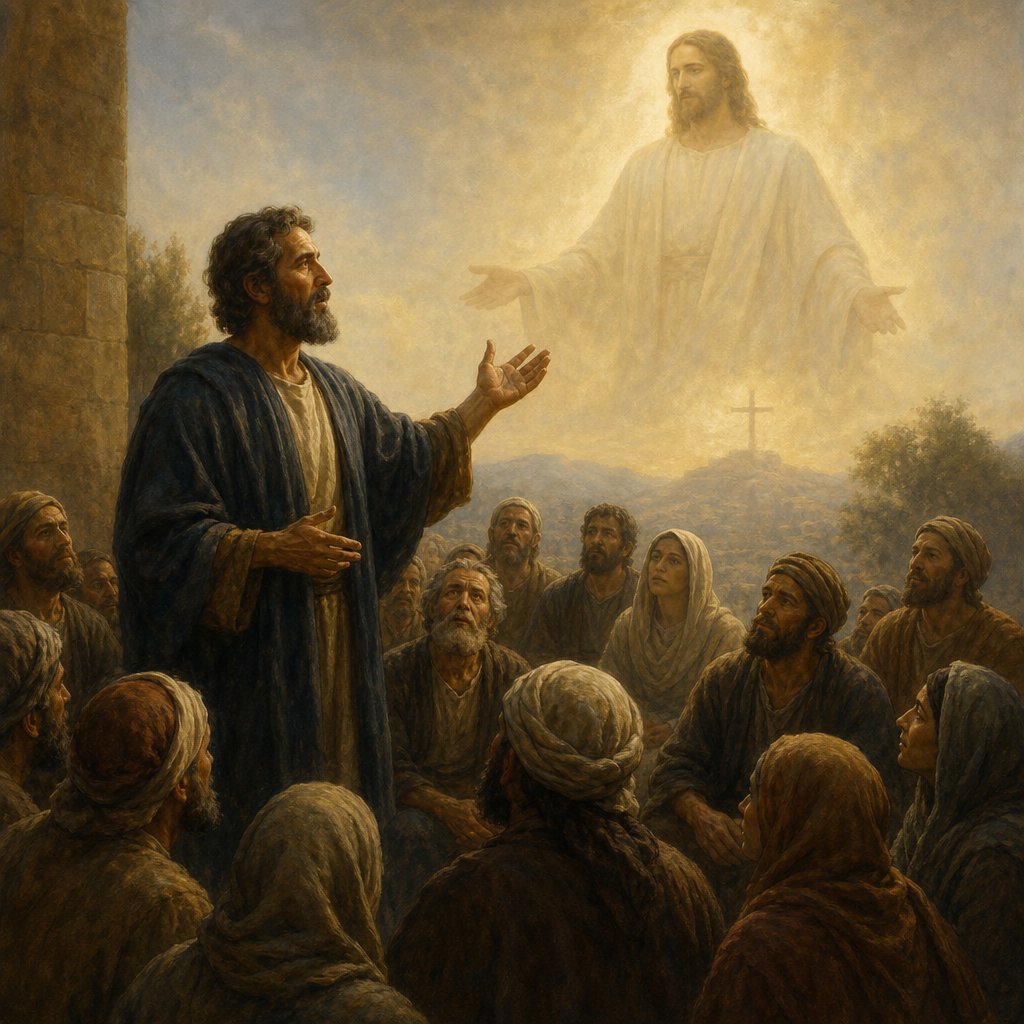
Acts 2:36 in the King James Version reads, “Therefore let all the house of Israel know assuredly, that God hath made that same Jesus, whom ye have crucified, both Lord and Christ.”
This sentence is the climax of Peter’s sermon on the day of Pentecost. The word “Therefore” gathers up everything he has just argued from Scripture and from the events the crowd has witnessed. Peter has explained that what they are seeing is not drunkenness but the outpouring of the Holy Ghost; he has connected that outpouring to prophecy; he has testified that Jesus of Nazareth was approved of God by miracles and wonders and signs; he has declared that though Jesus was delivered “by the determinate counsel and foreknowledge of God,” the hearers are still morally implicated in His death; and he has insisted that God raised Him up, that David foretold this, and that the apostles are witnesses. “Therefore” means the conclusion is not a private opinion but the necessary inference from God’s acts in history and from God’s word.
When Peter says, “let all the house of Israel know assuredly,” he is addressing Israel as a covenant people. The phrase gathers the nation into the responsibility of hearing and responding, because the promises, the Scriptures, the temple-centered hope, and the expectation of Messiah belonged to them. “Know assuredly” presses certainty. Peter is not offering a possibility to be weighed alongside others; he is announcing a settled divine verdict that Israel must recognize as fact. The sermon is meant to move the hearers from confusion to conviction, and from conviction to repentance.
The heart of the verse is, “that God hath made that same Jesus … both Lord and Christ.” This is not saying that Jesus only became something He was not in any sense before, as though He were merely a man promoted into divinity. In the flow of Acts 2, “made” functions as God’s public act of enthronement and declaration through resurrection and exaltation. The same Jesus whom they knew by name and whose death had seemed to end His claim is the very One God has vindicated. God has installed Him openly in the role and authority that the Scriptures point to, and He has done it in a way that overturns human judgment. The resurrection is God’s reversal of the world’s verdict; the exaltation is God’s crowning answer to the cross.
The titles “Lord” and “Christ” are dense with meaning. “Christ” is the Messiah, the Anointed One promised in the Scriptures, the King and Deliverer for whom Israel waited. Calling Jesus “Christ” is a claim that He fulfills Israel’s hopes and prophecies, not by flattering national expectations, but by conquering sin and death and establishing God’s rule. “Lord” is even more arresting. It speaks of sovereign authority. In the setting of Peter’s sermon, “Lord” means the One who reigns now, the One to whom allegiance is due, the One whom God has set above all rival powers. Peter has just cited the language, “The LORD said unto my Lord,” to show that David spoke of a greater King than himself. Now Peter applies that royal, supreme language to Jesus. The verse therefore announces a transfer of ultimate loyalty: the crucified One is not a failed teacher but the reigning Master.
The phrase “that same Jesus” is full of emphasis and almost prophetic irony. It insists on continuity. The exalted Lord is not a different figure from the crucified Nazarene. The One who now reigns is the One who suffered. The One whose name was despised is the One God honors. This also carries deep comfort and deep warning. Comfort, because it means God’s salvation is anchored in a real, known, historical person who truly entered human suffering. Warning, because it means the crowd cannot separate the Jesus they rejected from the Lord they must now face.
Then comes the piercing accusation: “whom ye have crucified.” This is not merely a historical detail; it is a moral and spiritual diagnosis. Peter brings the listeners to the point where the cross is no longer “what Rome did” or “what the leaders did,” but what “ye” did. It is corporate in its address—Israel as represented by that gathered audience—but it also becomes personal, because every hearer must reckon with his share in the rejection of God’s chosen. Yet even this accusation sits inside a larger providence. Earlier Peter has said Jesus was delivered by God’s determinate counsel and foreknowledge. Acts 2:36 holds together human guilt and divine purpose: they are truly culpable, and God is truly sovereign. The cross is both their sin and God’s saving plan.
In symbolism and theme, the verse turns the shame of crucifixion into the throne of the Messiah. Crucifixion was Rome’s instrument for humiliating and erasing a person’s claim to honor; Peter declares that God has answered that humiliation with exaltation. The cross becomes the place where human rebellion is exposed, and the resurrection-exaltation becomes the place where God’s lordship is displayed. Pentecost itself adds another layer: the Spirit’s outpouring is presented as the evidence that Jesus is enthroned. The gift they see and hear is the sign that the crucified Jesus is now the reigning Lord who bestows the Spirit. In other words, the Spirit is not an isolated wonder; He is the royal gift of the risen King.
The significance of Acts 2:36 is that it compresses the gospel proclamation into a single verdict: God has decisively identified Jesus, rejected and crucified by men, as the rightful ruler and promised Messiah. It confronts Israel with the truth about Jesus, confronts the conscience with responsibility for His death, and calls for a response of repentance and faith that follows immediately in the chapter. It marks the turning point where the early church’s message is not merely that Jesus lived and died, but that He reigns as “Lord and Christ,” and that God has made this reality publicly knowable and “assured” through resurrection, Scripture, and the Spirit poured out before their eyes.
Get our apps


Artwork for Acts 2:36

Acts 2:36 - "Therefore let all the house of Israel know assuredly, that God hath made that same Jesus, whom ye have crucified, both Lord and Christ."
"Therefore let all the house of Israel know assuredly, that God hath made that same Jesus, whom ye have crucified, both Lord and Christ." - Acts 2:36

2 Kings 15:36 - "¶ Now the rest of the acts of Jotham, and all that he did, are they not written in the book of the chronicles of the kings of Judah?"

2 Chronicles 36:8 - "Now the rest of the acts of Jehoiakim, and his abominations which he did, and that which was found in him, behold, they are written in the book of the kings of Israel and Judah: and Jehoiachin his son reigned in his stead."

Acts 21:36 - "For the multitude of the people followed after, crying, Away with him."

Acts 27:36 - "Then were they all of good cheer, and they also took some meat."

"¶ Now the rest of the acts of Jotham, and all that he did, are they not written in the book of the chronicles of the kings of Judah?" - 2 Kings 15:36

Acts 20:36 - "¶ And when he had thus spoken, he kneeled down, and prayed with them all."

Acts 19:36 - "Seeing then that these things cannot be spoken against, ye ought to be quiet, and to do nothing rashly."

Acts2:36

2 Chronicles 36:14 - "¶ Moreover all the chief of the priests, and the people, transgressed very much after all the abominations of the heathen; and polluted the house of the LORD which he had hallowed in Jerusalem."

Acts 4:36 - "And Joses, who by the apostles was surnamed Barnabas, (which is, being interpreted, The son of consolation,) a Levite, and of the country of Cyprus,"

Acts 10:36 - "The word which God sent unto the children of Israel, preaching peace by Jesus Christ: (he is Lord of all:)"

Acts 16:36 - "And the keeper of the prison told this saying to Paul, The magistrates have sent to let you go: now therefore depart, and go in peace."

Acts 8:36 - "And as they went on their way, they came unto a certain water: and the eunuch said, See, here is water; what doth hinder me to be baptized?"

"For the multitude of the people followed after, crying, Away with him." - Acts 21:36

Acts 13:36 - "For David, after he had served his own generation by the will of God, fell on sleep, and was laid unto his fathers, and saw corruption:"

Acts 7:36 - "He brought them out, after that he had shewed wonders and signs in the land of Egypt, and in the Red sea, and in the wilderness forty years."

Acts 9:36 - "¶ Now there was at Joppa a certain disciple named Tabitha, which by interpretation is called Dorcas: this woman was full of good works and almsdeeds which she did."

"Then were they all of good cheer, and they also took some meat." - Acts 27:36

2 Chronicles 36:22

Acts 2:2

Acts 2:2

2 kings 9:34-36
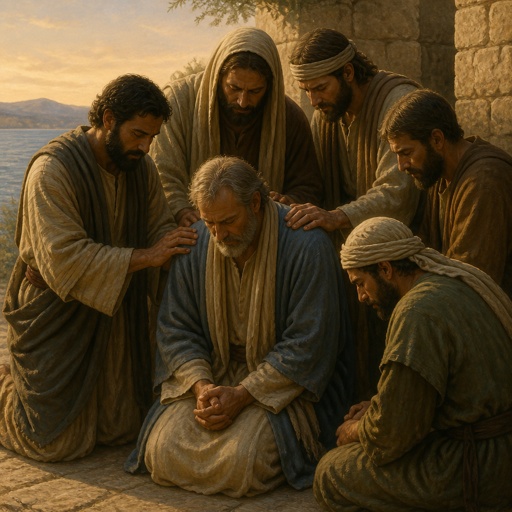
"¶ And when he had thus spoken, he kneeled down, and prayed with them all." - Acts 20:36
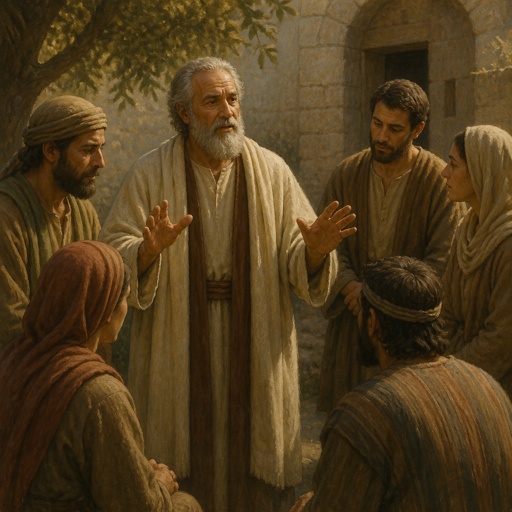
"Seeing then that these things cannot be spoken against, ye ought to be quiet, and to do nothing rashly." - Acts 19:36

Acts 13:36 “For David, after he had served his own generation by the will of God, fell asleep, was buried with his fathers, and saw corruption;

Acts 15:36 - "¶ And some days after Paul said unto Barnabas, Let us go again and visit our brethren in every city where we have preached the word of the Lord, and see how they do."

2 Samuel 23:36 - "Igal the son of Nathan of Zobah, Bani the Gadite,"

1 Chronicles 2:36 - "And Attai begat Nathan, and Nathan begat Zabad,"