What does Acts 2:8 mean?
“And how hear we every man in our own tongue, wherein we were born?” — Acts 2:8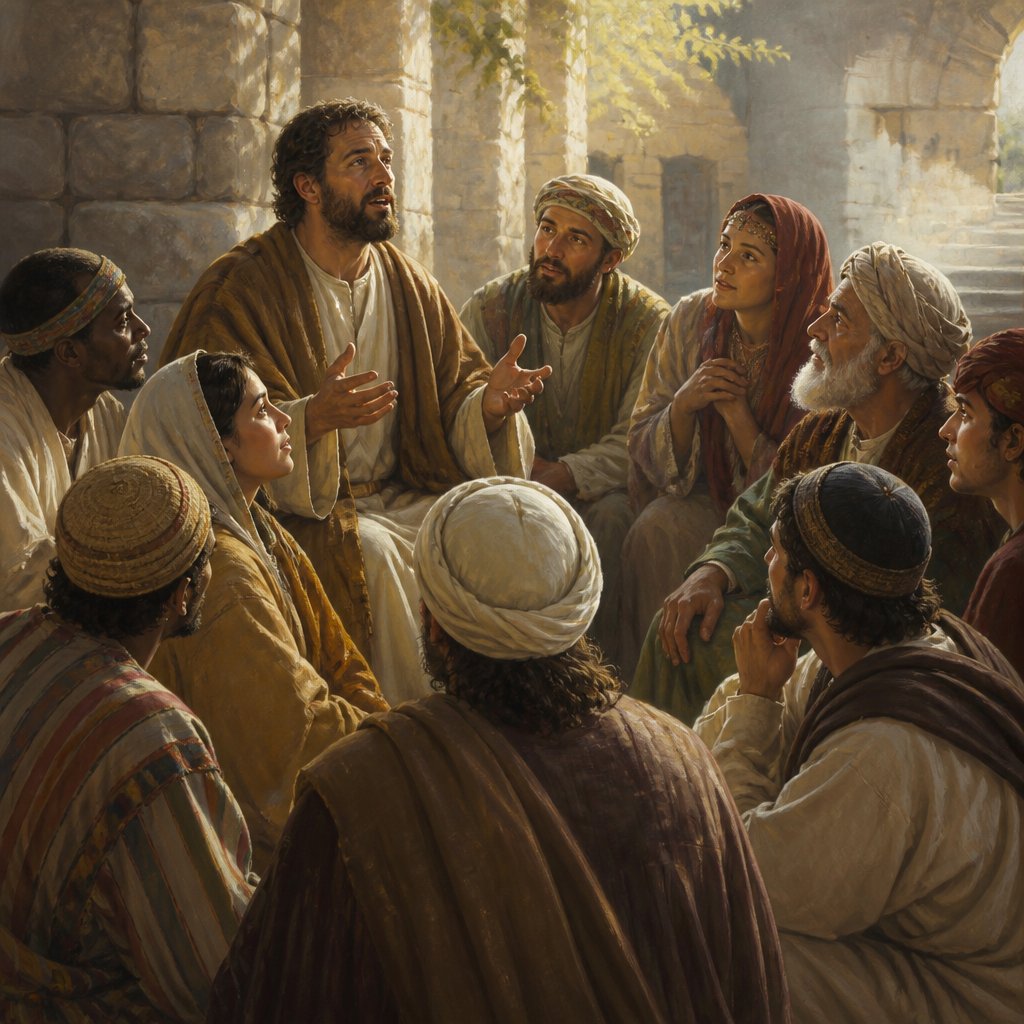
Acts 2:8 (KJV) states, "And how hear we every man in our own tongue, wherein we were born?" This verse comes from the book of Acts in the New Testament, which is a continuation of the story of Jesus and the early Christian church. The specific passage this verse is from describes the events of Pentecost, when the Holy Spirit descended upon the apostles and they were able to speak in different languages, enabling them to communicate the message of Jesus to people from all over the world who were in Jerusalem at the time.
The verse itself addresses the astonishment of the people who witnessed the apostles speaking in languages they would not have known otherwise. This event marked the beginning of the spread of Christianity to people of all nations and is a powerful symbol of the inclusive nature of the gospel.
One of the major themes in this verse is the universality of the gospel. The fact that the apostles were able to speak in different languages allowed them to reach people from diverse backgrounds, showing that the message of Jesus is for all people, regardless of their nationality or ethnicity. This theme of inclusivity and unity is a central aspect of the Christian faith, and this verse from Acts 2 serves as a powerful example of the early church embracing this concept.
Another important theme in this verse is the power of the Holy Spirit. The fact that the apostles were able to speak in different languages was a direct result of the Holy Spirit descending upon them at Pentecost. This demonstrates the transformative and empowering nature of the Holy Spirit, and its role in equipping believers to fulfill the Great Commission by spreading the message of Jesus to all corners of the world.
The context of this verse is also significant. The events of Pentecost took place in Jerusalem, a city that was a melting pot of different cultures and languages. The fact that the apostles were able to speak in these languages underscores the importance of reaching out to people from diverse backgrounds and the intention of the early church to be inclusive and welcoming to all.
The symbolism in this verse is also profound. The ability of the apostles to speak in different languages represents the overcoming of barriers and the breaking down of divisions. It serves as a powerful symbol of unity and communication, as well as a reminder that the message of Jesus transcends cultural and linguistic differences.
In conclusion, Acts 2:8 is a verse that carries deep theological and symbolic significance. It highlights the themes of inclusivity, the power of the Holy Spirit, and the universal nature of the gospel. It also serves as a powerful reminder of the early church's commitment to reaching out to people from all walks of life and the transformative impact of the message of Jesus. This verse continues to inspire and challenge believers to embrace diversity and unity in spreading the message of Jesus to the ends of the earth.
Get our apps


Artwork for Acts 2:8

Acts 2:8 - "And how hear we every man in our own tongue, wherein we were born?"
"And how hear we every man in our own tongue, wherein we were born?" - Acts 2:8

Acts 8:2 - "And devout men carried Stephen to his burial, and made great lamentation over him."

2 Kings 8:23 - "And the rest of the acts of Joram, and all that he did, are they not written in the book of the chronicles of the kings of Judah?"

2 Kings 13:8 - "¶ Now the rest of the acts of Jehoahaz, and all that he did, and his might, are they not written in the book of the chronicles of the kings of Israel?"

Acts 8:8 - "And there was great joy in that city."

"And there was great joy in that city." - Acts 8:8

Acts 1:8

Acts 8:33

2 Chronicles 36:8 - "Now the rest of the acts of Jehoiakim, and his abominations which he did, and that which was found in him, behold, they are written in the book of the kings of Israel and Judah: and Jehoiachin his son reigned in his stead."
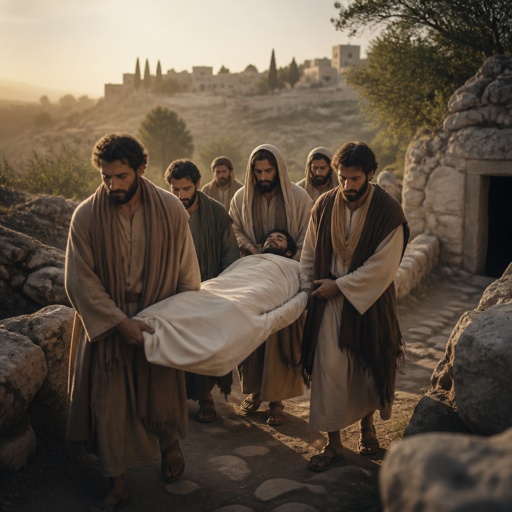
"And devout men carried Stephen to his burial, and made great lamentation over him." - Acts 8:2

Acts 4:8-12

Acts 2:2

Acts 2:2

"And the rest of the acts of Joram, and all that he did, are they not written in the book of the chronicles of the kings of Judah?" - 2 Kings 8:23

Acts 16:8 - "And they passing by Mysia came down to Troas."

ACTS 8:30 Philip and the Ethiopian

Acts 8:17 - "Then laid they their hands on them, and they received the Holy Ghost."

Acts 17:8 - "And they troubled the people and the rulers of the city, when they heard these things."

Acts 8:28 - "Was returning, and sitting in his chariot read Esaias the prophet."

Acts 8:23 - "For I perceive that thou art in the gall of bitterness, and in the bond of iniquity."

Acts 2:2-3

Acts 2:2-3

Acts 2:17

Acts 2:17

Acts 2:4

Acts 2:17

Acts 8:5 - "Then Philip went down to the city of Samaria, and preached Christ unto them."

Acts 20:8 - "And there were many lights in the upper chamber, where they were gathered together."

Acts 8:29 - "Then the Spirit said unto Philip, Go near, and join thyself to this chariot."