What does Acts 4:26 mean?
"The kings of the earth stood up, and the rulers were gathered together against the Lord, and against his Christ." - Acts 4:26
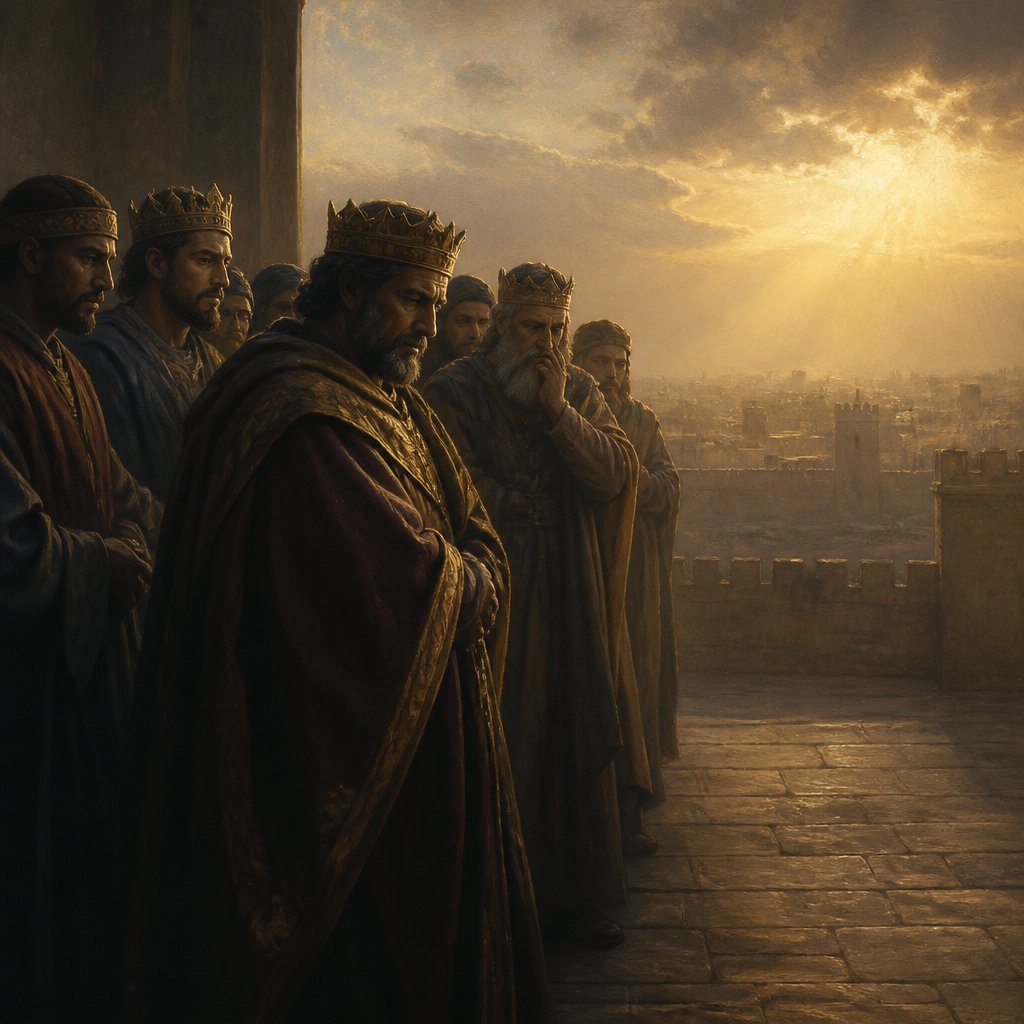
The Bible verse Acts 4:26 from the King James Version reads, "The kings of the earth stood up, and the rulers were gathered together against the Lord, and against his Christ." This verse is part of a larger narrative in the book of Acts, which tells the story of the early Christian church and the spread of the gospel after the resurrection of Jesus Christ.
In this particular verse, the apostles are speaking to a group of believers, recounting the opposition they faced from the religious and political leaders of their time. The apostles attribute this opposition to the opposition of the Lord and his Christ, meaning that those who were aligned against them were ultimately aligned against God and his chosen messiah, Jesus Christ.
The theme of opposition and persecution is central to this verse and the larger narrative of Acts. Throughout the book, we see the early Christians facing persecution and hostility from both Jewish religious leaders and Roman authorities. This opposition serves as a reminder of the conflict between the kingdom of God and the kingdoms of the world, as well as the ongoing spiritual battle between good and evil.
The context of Acts 4:26 is important for understanding its meaning. At this point in the story, Peter and John have been arrested for preaching about Jesus and performing miraculous healings in his name. They are brought before the religious authorities, who demand that they stop preaching about Jesus. However, Peter and John boldly proclaim that they cannot stop speaking about what they have seen and heard, and that they must obey God rather than men.
It is in this context that the apostles remind the believers of the opposition they faced from the kings and rulers of the earth. By doing so, they are encouraging the believers to stand firm in their faith and to recognize that their persecution is ultimately a reflection of the opposition faced by the Lord and his Christ. This message of courage and steadfastness in the face of persecution is a recurring theme in the book of Acts, as the early Christians continue to boldly proclaim the gospel in the face of threats and danger.
There is also a deeper symbolic meaning in Acts 4:26, particularly in the reference to the kings and rulers of the earth standing against the Lord and his Christ. This imagery speaks to the larger biblical narrative of the spiritual battle between the kingdom of God and the forces of evil. Throughout the Bible, we see examples of earthly powers and rulers opposing God and his people, from Pharaoh's resistance to Moses to the persecution of the early Christians by the Roman Empire. This theme ultimately points to the ultimate victory of God and his kingdom over the powers of darkness.
In conclusion, Acts 4:26 is a powerful reminder of the opposition and persecution faced by the early Christians, as well as the larger spiritual battle between the kingdom of God and the kingdoms of the world. The verse encourages believers to stand firm in their faith and to recognize that their suffering is ultimately a reflection of the opposition faced by the Lord and his Christ. This message of courage and steadfastness in the face of persecution continues to resonate with Christians today, as we navigate the challenges of living out our faith in a world that is often hostile to the gospel.
Have questions about Acts 4:26?
Dive deeper into this scripture with Bible Chat — an AI-powered tool for exploring God's Word through conversation. Ask questions, get context, and grow in your understanding of the Bible.
Get Our Apps


Acts 4:26 Artwork

Acts 4:26 - "The kings of the earth stood up, and the rulers were gathered together against the Lord, and against his Christ."
"The kings of the earth stood up, and the rulers were gathered together against the Lord, and against his Christ." - Acts 4:26

Acts 26:4 - "My manner of life from my youth, which was at the first among mine own nation at Jerusalem, know all the Jews;"

Acts 27:26 - "Howbeit we must be cast upon a certain island."
"My manner of life from my youth, which was at the first among mine own nation at Jerusalem, know all the Jews;" - Acts 26:4

Acts 26:26 - "For the king knoweth of these things, before whom also I speak freely: for I am persuaded that none of these things are hidden from him; for this thing was not done in a corner."

Acts 26:19 - "Whereupon, O king Agrippa, I was not disobedient unto the heavenly vision:"

Acts 26:27 - "King Agrippa, believest thou the prophets? I know that thou believest."
Acts 26:21 - "For these causes the Jews caught me in the temple, and went about to kill me."

Acts 15:26 - "Men that have hazarded their lives for the name of our Lord Jesus Christ."

Acts 23:26 - "Claudius Lysias unto the most excellent governor Felix sendeth greeting."

Acts 26:28 - "Then Agrippa said unto Paul, Almost thou persuadest me to be a Christian."

Acts 26:12 - "Whereupon as I went to Damascus with authority and commission from the chief priests,"

Acts 4:30

Acts 4:30

Acts 4:30

Acts 2:4

Acts 4:30

Acts 26:8 - "Why should it be thought a thing incredible with you, that God should raise the dead?"

Acts 1:4-5

Acts 1:26 - "And they gave forth their lots; and the lot fell upon Matthias; and he was numbered with the eleven apostles."

Acts 26:6 - "And now I stand and am judged for the hope of the promise made of God unto our fathers:"

Acts 26:30 - "And when he had thus spoken, the king rose up, and the governor, and Bernice, and they that sat with them:"

Acts 10:26 - "But Peter took him up, saying, Stand up; I myself also am a man."

2 Chronicles 35:26 - "Now the rest of the acts of Josiah, and his goodness, according to that which was written in the law of the LORD,"

Acts 26:17 - "Delivering thee from the people, and from the Gentiles, unto whom now I send thee,"

Acts 2:4

Acts 2:4

2 Chronicles 25:26 - "Now the rest of the acts of Amaziah, first and last, behold, are they not written in the book of the kings of Judah and Israel?"

Acts 26:25 - "But he said, I am not mad, most noble Festus; but speak forth the words of truth and soberness."