What does Acts 8:11 mean?
“And to him they had regard, because that of long time he had bewitched them with sorceries.” — Acts 8:11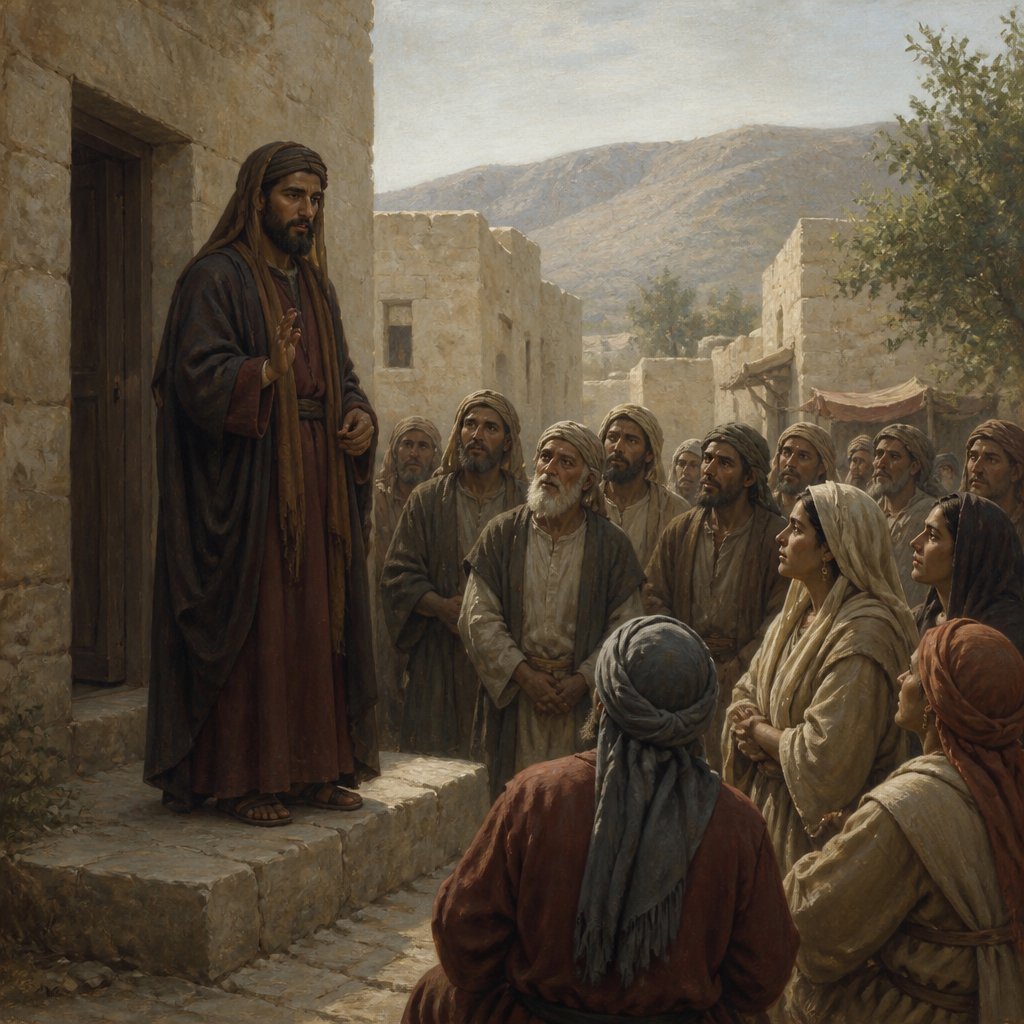
The Bible verse Acts 8:11, as written in the King James Version (KJV), reads, "And to him they had regard, because that of long time he had bewitched them with sorceries." This verse is part of the larger narrative in the book of Acts which recounts the spread of the early Christian church and the works of the apostles.
In this verse, the "him" refers to Simon, a man who had practiced sorcery in the city of Samaria. He had gained a reputation among the people for his abilities, and they held him in high regard. However, when the gospel of Jesus Christ was preached in Samaria and many people believed and were baptized, even Simon himself believed and was baptized (Acts 8:12). The power of the gospel and the miracles performed by Philip, one of the apostles, were so profound that even Simon, who had previously relied on sorcery, was moved to faith in Jesus Christ.
The context of this verse is important for a full understanding of its meaning. The city of Samaria was a place where the people were steeped in pagan beliefs and practices, including sorcery and witchcraft. Simon had been a prominent figure in this community, using his sorcery to deceive and manipulate the people. However, when he witnessed the genuine power of God through the preaching of the gospel and the miracles performed by Philip, he recognized the superiority of God's power and authority. This demonstrates that the message of Jesus Christ has the power to transform even those who were deeply involved in sinful or deceptive practices.
The themes present in Acts 8:11 include the contrast between the power of God and the deceptive practices of sorcery, the transformative power of the gospel, and the influence of faith in Jesus Christ. The verse also addresses the dangers of being misled by false teachings and how the truth of the gospel can overcome such deceptions.
One of the key themes in this verse is the contrast between the power of God and the sorcery practiced by Simon. The people of Samaria had been under the influence of Simon's sorcery for a long time, and they held him in high regard. However, when Philip arrived and began to preach the gospel and perform miracles in the name of Jesus Christ, the people were able to see the stark difference between the genuine power of God and the deceptive tricks of sorcery. This theme emphasizes the superiority of God's power over any other supernatural or mystical practices.
Another important theme is the transformative power of the gospel. Simon, who had been a practitioner of sorcery and had held sway over the people of Samaria, was himself transformed by the message of Jesus Christ. He believed the gospel and was baptized, indicating a complete change in his beliefs and way of life. This theme underscores the universal applicability of the gospel message and its ability to bring about radical change in even the most unlikely individuals.
The influence of faith in Jesus Christ is also a significant theme in this verse. The people of Samaria had been captivated by Simon's sorcery and had regarded him highly because of it. However, when they heard the gospel and witnessed the miracles performed by Philip, many of them believed and were baptized. This indicates the power of faith to overcome false teachings and lead people to the truth of Jesus Christ.
In terms of symbolism, Simon's sorcery can be seen as representative of the deceptive and false teachings that can lead people astray. The people's regard for Simon because of his sorceries symbolizes the allure and seduction of these deceptive practices. On the other hand, the preaching of the gospel and the miracles performed by Philip symbolize the truth and power of God that can liberate people from deception and lead them to genuine faith.
Overall, Acts 8:11, in the context of the larger narrative in the book of Acts, conveys the themes of the contrast between the power of God and sorcery, the transformative power of the gospel, and the influence of faith in Jesus Christ. It serves as a powerful reminder of the superiority of God's truth and the ability of the gospel to bring about radical transformation in the lives of individuals.
Get our apps


Artwork for Acts 8:11

Acts 8:11 - "And to him they had regard, because that of long time he had bewitched them with sorceries."
"And to him they had regard, because that of long time he had bewitched them with sorceries." - Acts 8:11

Acts 11:8 - "But I said, Not so, Lord: for nothing common or unclean hath at any time entered into my mouth."

Acts 8:33

Romans 8:11

Psalm 80:8-11

Acts 8:8 - "And there was great joy in that city."
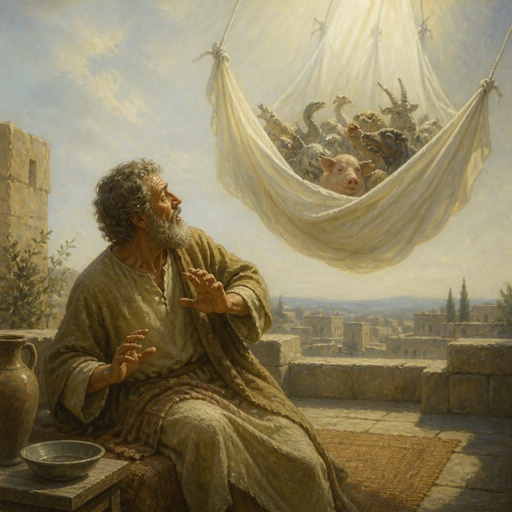
"But I said, Not so, Lord: for nothing common or unclean hath at any time entered into my mouth." - Acts 11:8

Acts 20:11

Acts 11:2

Acts 11:2

Acts 19: 11

Acts 19:11

acts 3 11

Acts 11:2

"And there was great joy in that city." - Acts 8:8

Acts 1:8

1 Kings 11:41 - "¶ And the rest of the acts of Solomon, and all that he did, and his wisdom, are they not written in the book of the acts of Solomon?"

Acts 1:1-11

Acts 1:1-11

Acts 4:8-12

Acts 11:25 - "Then departed Barnabas to Tarsus, for to seek Saul:"

Acts 16:8 - "And they passing by Mysia came down to Troas."

Acts 19:11 - "And God wrought special miracles by the hands of Paul:"

ACTS 8:30 Philip and the Ethiopian

Acts 11:11 - "And, behold, immediately there were three men already come unto the house where I was, sent from Caesarea unto me."

Acts 8:17 - "Then laid they their hands on them, and they received the Holy Ghost."

Acts 11:27 - "¶ And in these days came prophets from Jerusalem unto Antioch."

Acts 17:8 - "And they troubled the people and the rulers of the city, when they heard these things."

Acts 8:28 - "Was returning, and sitting in his chariot read Esaias the prophet."