What does Acts 9:12 mean?
"And hath seen in a vision a man named Ananias coming in, and putting his hand on him, that he might receive his sight." - Acts 9:12
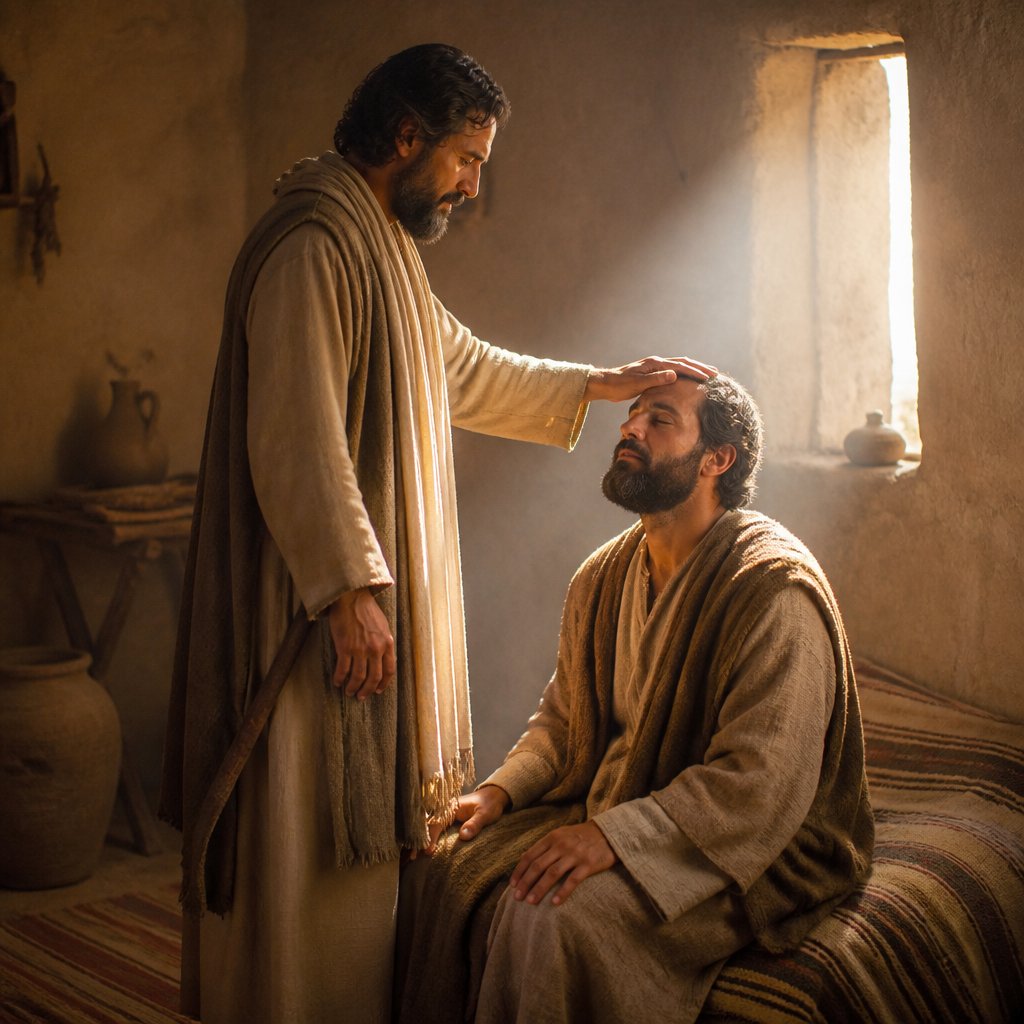
The Bible verse Acts 9:12 from the King James Version (KJV) states, "And hath seen in a vision a man named Ananias coming in, and putting his hand on him, that he might receive his sight." This verse is a part of the narrative of Saul's conversion on the road to Damascus. It is a crucial moment in the book of Acts, as it marks the beginning of Saul's transformation from a persecutor of Christians to one of the most important figures in the early Christian church, the apostle Paul.
The context of this verse is that Saul, who was known for his persecution of Christians, was on his way to Damascus with the intention of arresting any followers of Jesus he found there. However, on the road, he was struck by a blinding light from heaven and heard the voice of Jesus speaking to him. After three days of blindness and fasting, Jesus instructed a disciple named Ananias to visit Saul and lay hands on him, so that Saul's sight would be restored.
This verse holds several significant themes that are present throughout the book of Acts and the Bible as a whole. One of the central themes is the transformative power of God's grace and the possibility of redemption for even the most hardened sinners. Saul's conversion demonstrates that no one is beyond the reach of God's love and mercy, no matter how deeply they may have been enmeshed in sin. This message is a powerful reminder of God's boundless compassion and the potential for all individuals to experience a radical change of heart and life.
Another important theme in this verse is the concept of divine intervention and guidance. The vision that Ananias had, and the subsequent instructions he received from the Lord, serve as a clear example of God's active involvement in the lives of believers. It underscores the notion that God communicates with and directs his people through visions, dreams, and other supernatural means. This theme emphasizes the importance of being attuned to the promptings of the Holy Spirit and being open to receiving God's guidance in unexpected ways.
Furthermore, this verse highlights the integral role of community and fellowship in the Christian faith. Ananias, a faithful disciple of Jesus, was called upon to minister to Saul, someone who was previously considered an enemy of the church. This act of reaching out to care for, heal, and instruct Saul signifies the essential role that believers are to play in loving and supporting one another, even in the face of opposition or animosity.
Symbolism also plays a crucial role in this verse. The restoration of Saul's sight by Ananias serves as a metaphor for his spiritual awakening and newfound understanding of God's truth. It represents the illumination of his heart and mind to the reality of Jesus as the Messiah and the transformative power of the gospel. The laying on of hands by Ananias symbolizes the impartation of the Holy Spirit and the commissioning of Saul for his future ministry as the apostle Paul.
In conclusion, Acts 9:12 from the King James Version carries profound significance within the broader context of the book of Acts and the Bible as a whole. It conveys essential themes of God's redemptive grace, divine guidance, the importance of community, and the symbolism of spiritual transformation. The verse serves as a powerful testament to the radical nature of God's love and the limitless possibilities for personal change and renewal through faith in Jesus Christ.
Have questions about Acts 9:12?
Dive deeper into this scripture with Bible Chat — an AI-powered tool for exploring God's Word through conversation. Ask questions, get context, and grow in your understanding of the Bible.
Get Our Apps


Acts 9:12 Artwork

Acts 9:12 - "And hath seen in a vision a man named Ananias coming in, and putting his hand on him, that he might receive his sight."
"And hath seen in a vision a man named Ananias coming in, and putting his hand on him, that he might receive his sight." - Acts 9:12

Acts 12:9 - "And he went out, and followed him; and wist not that it was true which was done by the angel; but thought he saw a vision."

Acts 18:12

Acts 28:12

Acts 18:12
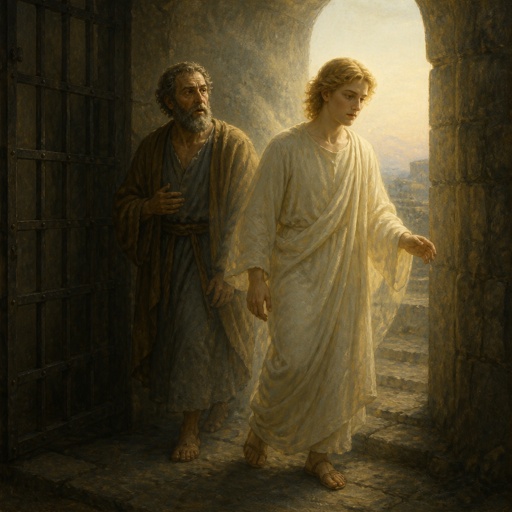
"And he went out, and followed him; and wist not that it was true which was done by the angel; but thought he saw a vision." - Acts 12:9

Acts 9:9 - "And he was three days without sight, and neither did eat nor drink."

Acts 4:8-12

acts 20:7-12

Acts 9:1-20

Acts 9:1-20

Acts 12:24 - "¶ But the word of God grew and multiplied."

Acts 12:2 - "And he killed James the brother of John with the sword."

Acts 28:12 - "And landing at Syracuse, we tarried there three days."

Acts 9:28 - "And he was with them coming in and going out at Jerusalem."

Acts 12:22 - "And the people gave a shout, saying, It is the voice of a god, and not of a man."

Acts 20:12 - "And they brought the young man alive, and were not a little comforted."

Acts 3:9 - "And all the people saw him walking and praising God:"

Acts 24:9 - "And the Jews also assented, saying that these things were so."

Acts 9:42 - "And it was known throughout all Joppa; and many believed in the Lord."

Acts 9:35 - "And all that dwelt at Lydda and Saron saw him, and turned to the Lord."

Acts 15:9 - "And put no difference between us and them, purifying their hearts by faith."

Acts 9:20 - "And straightway he preached Christ in the synagogues, that he is the Son of God."

Acts 7:9 - "And the patriarchs, moved with envy, sold Joseph into Egypt: but God was with him,"

Acts 12:13 - "And as Peter knocked at the door of the gate, a damsel came to hearken, named Rhoda."

Acts 14:12 - "And they called Barnabas, Jupiter; and Paul, Mercurius, because he was the chief speaker."

Acts 26:12 - "Whereupon as I went to Damascus with authority and commission from the chief priests,"

Acts 21:9 - "And the same man had four daughters, virgins, which did prophesy."

Acts 17:9 - "And when they had taken security of Jason, and of the other, they let them go."