What does Acts 9:13 mean?
“Then Ananias answered, Lord, I have heard by many of this man, how much evil he hath done to thy saints at Jerusalem:” — Acts 9:13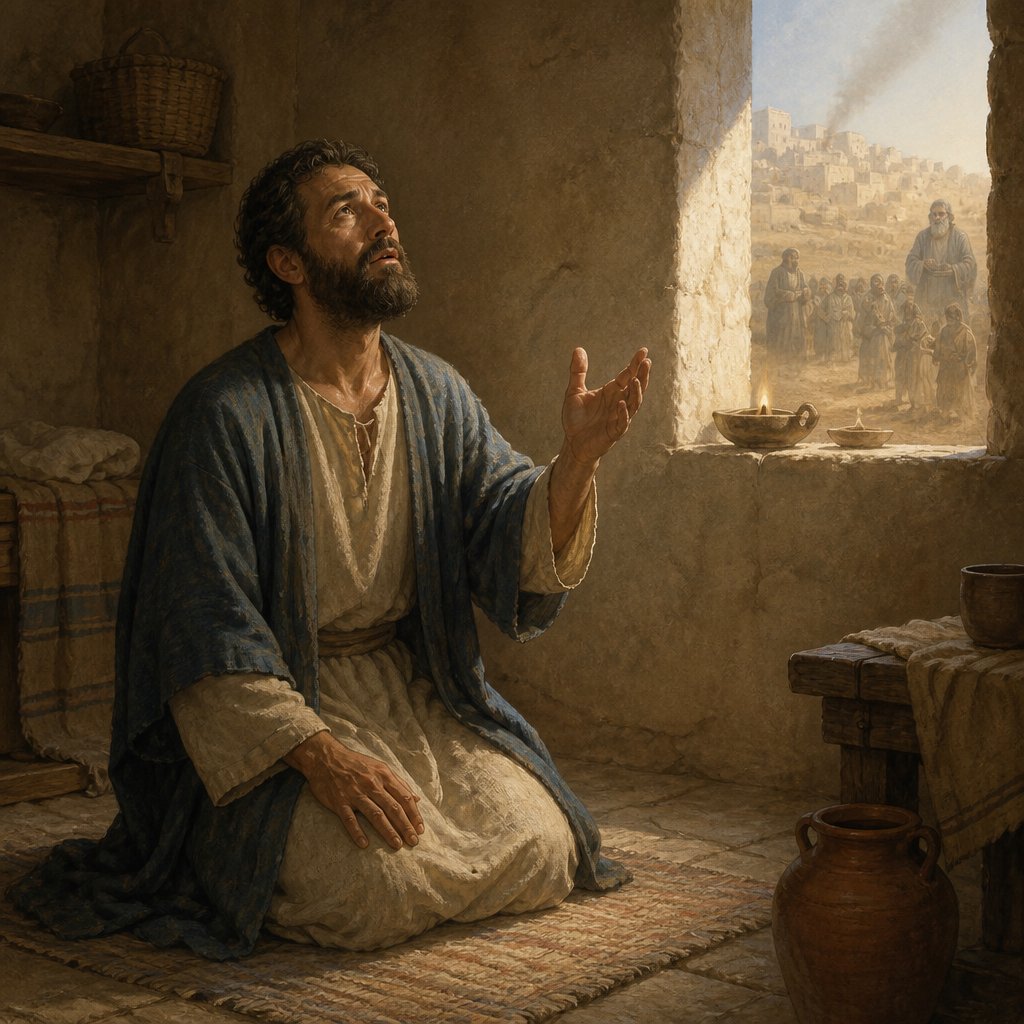
In Acts 9:13, we read, "Then Ananias answered, Lord, I have heard by many of this man, how much evil he hath done to thy saints at Jerusalem." This verse is a pivotal moment in the conversion of Saul, who later becomes known as the apostle Paul. The context for this passage is the dramatic encounter between Saul and Jesus on the road to Damascus. Saul, a zealous persecutor of early Christians, is struck blind and led into the city, where he waits for three days without food or drink. Meanwhile, the Lord appears to a disciple named Ananias and instructs him to go to Saul and lay hands on him so that he might regain his sight and be filled with the Holy Spirit. Ananias initially hesitates, expressing concern about Saul's reputation as a persecutor of the church.
This verse is significant for several reasons. First, it highlights Ananias's understandable reluctance to approach someone who had been actively working against the early Christian community. Ananias represents the common fear and skepticism many believers would have felt toward Saul, who was perceived as a dangerous enemy of the faith. This hesitation reflects the reality of human nature and serves as a reminder that God's grace and mercy can extend even to those who seem the least deserving.
Second, the verse demonstrates the transformative power of God's grace. Despite Saul's history of persecuting Christians, God has chosen him for a specific purpose and commissions Ananias to minister to him. This turning point marks the beginning of Saul's conversion and sets the stage for his future ministry as an apostle and author of much of the New Testament. It serves as a powerful reminder that no one is beyond the reach of God's redemptive love and that even the most hardened hearts can be softened and transformed.
This passage also emphasizes the theme of obedience and submission to God's will. Ananias initially voices his concerns to the Lord, but ultimately obeys and goes to Saul as commanded. This underscores the importance of trusting in God's sovereignty and following His directives, even when they may seem difficult or perplexing. Ananias's obedience in this instance ultimately leads to the restoration of Saul's sight and his baptism as a new believer, underscoring the profound impact of faithful obedience to God.
Moreover, the verse serves as a reminder of the unpredictable and mysterious ways in which God works. Ananias's initial reaction to the command to visit Saul is one of fear and uncertainty, yet God's plan unfolds in a way that ultimately brings about profound change and redemption. This challenges readers to remain open to the unexpected and to recognize that divine purposes often unfold in ways that defy human logic and expectations.
Symbolically, the encounter between Ananias and Saul also carries significant implications. It can be seen as a representation of the reconciliation and healing that is possible through Christ, as well as the idea that even the most entrenched conflicts and divisions can be overcome through the power of God's love and mercy. This serves as a powerful message of hope and unity for believers, regardless of their past experiences or differences.
Overall, Acts 9:13 is a pivotal verse that encapsulates themes of grace, transformation, obedience, and the mysterious ways of God. It serves as a powerful reminder of God's redemptive love and the potential for profound change and restoration, even in the most unlikely of circumstances.
Get our apps


Artwork for Acts 9:13

Acts 9:13 - "Then Ananias answered, Lord, I have heard by many of this man, how much evil he hath done to thy saints at Jerusalem:"
"Then Ananias answered, Lord, I have heard by many of this man, how much evil he hath done to thy saints at Jerusalem:" - Acts 9:13

Acts 13:9 - "Then Saul, (who also is called Paul,) filled with the Holy Ghost, set his eyes on him,"
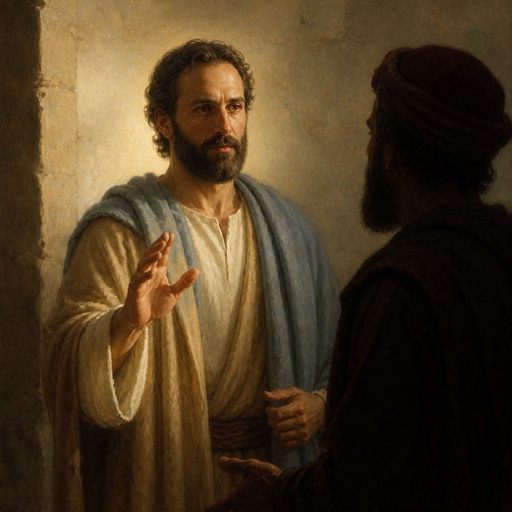
"Then Saul, (who also is called Paul,) filled with the Holy Ghost, set his eyes on him," - Acts 13:9

Acts 13:43

Acts 9:9 - "And he was three days without sight, and neither did eat nor drink."

Acts 9:1-20

Acts 9:1-20

Acts 13:30 - "But God raised him from the dead:"

Acts 13:49 - "And the word of the Lord was published throughout all the region."

Acts 13:52 - "And the disciples were filled with joy, and with the Holy Ghost."

Acts 13:37 - "But he, whom God raised again, saw no corruption."

Acts 9:28 - "And he was with them coming in and going out at Jerusalem."

Acts 2:13 - "Others mocking said, These men are full of new wine."

Acts 13:13 - "Now when Paul and his company loosed from Paphos, they came to Perga in Pamphylia: and John departing from them returned to Jerusalem."

Acts 18:13 - "Saying, This fellow persuadeth men to worship God contrary to the law."

Acts 23:13 - "And they were more than forty which had made this conspiracy."

Acts 3:9 - "And all the people saw him walking and praising God:"

Acts 24:9 - "And the Jews also assented, saying that these things were so."

Acts 9:42 - "And it was known throughout all Joppa; and many believed in the Lord."

Acts 24:13 - "Neither can they prove the things whereof they now accuse me."

Acts 13:18 - "And about the time of forty years suffered he their manners in the wilderness."

Acts 13:40 - "Beware therefore, lest that come upon you, which is spoken of in the prophets;"

Acts 9:35 - "And all that dwelt at Lydda and Saron saw him, and turned to the Lord."

Acts 5:13 - "And of the rest durst no man join himself to them: but the people magnified them."

Acts 13:51 - "But they shook off the dust of their feet against them, and came unto Iconium."

Acts 12:13 - "And as Peter knocked at the door of the gate, a damsel came to hearken, named Rhoda."

Acts 15:9 - "And put no difference between us and them, purifying their hearts by faith."

Acts 9:20 - "And straightway he preached Christ in the synagogues, that he is the Son of God."

Acts 7:9 - "And the patriarchs, moved with envy, sold Joseph into Egypt: but God was with him,"