What does Amos 3:6 mean?
“Shall a trumpet be blown in the city, and the people not be afraid? shall there be evil in a city, and the LORD hath not done it?” — Amos 3:6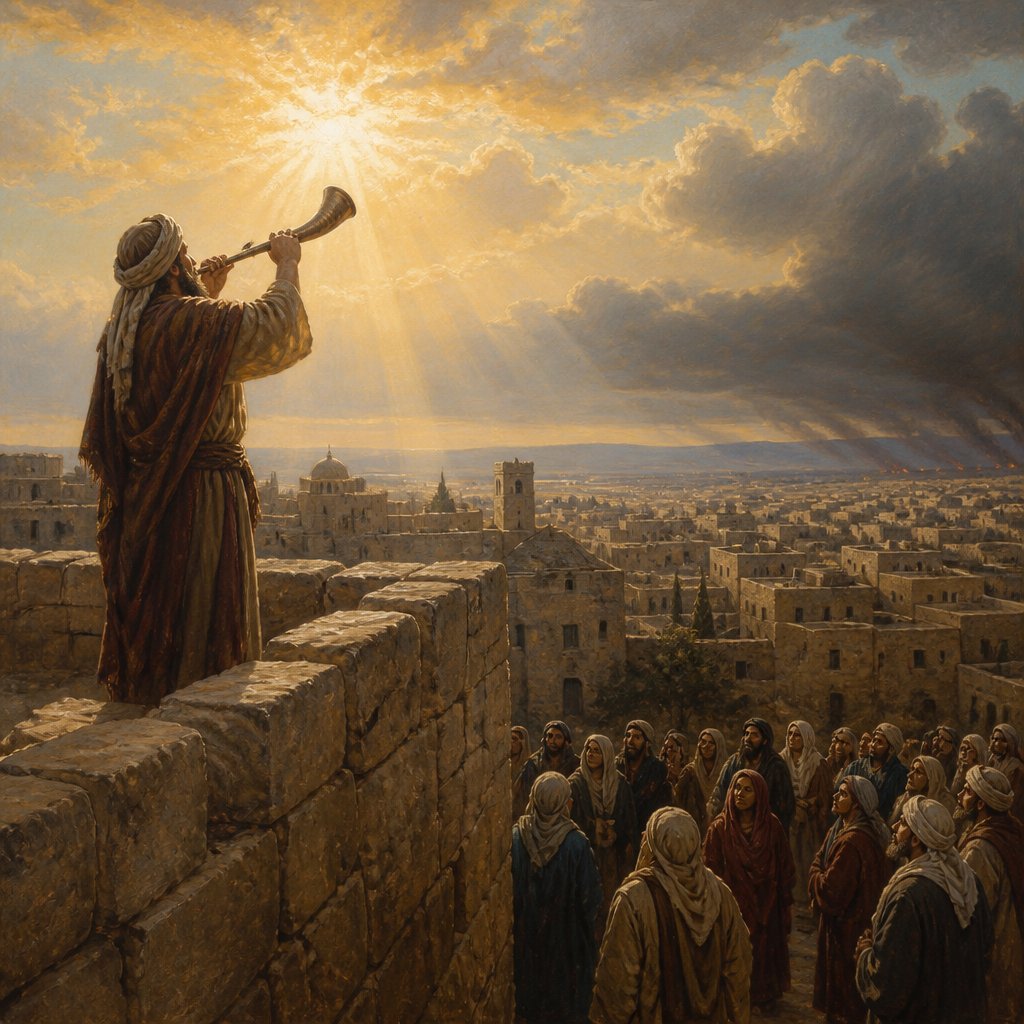
Amos 3:6 from the King James Version of the Bible states, "Shall a trumpet be blown in the city, and the people not be afraid? shall there be evil in a city, and the Lord hath not done it?" This verse comes from the Book of Amos in the Old Testament, which contains the prophecies of the prophet Amos to the Israelites. In this verse, Amos delivers a message from God, emphasizing the inevitability of divine judgment and the responsibility of the people to heed God's warnings.
The verse begins with a rhetorical question, "Shall a trumpet be blown in the city, and the people not be afraid?" This question conveys the idea that when a trumpet is sounded in a city, it is a signal for the people to be alert and to be aware of impending danger. In ancient times, trumpets were used to sound warnings of approaching enemies, disasters, or important announcements, so the people were conditioned to respond with fear and apprehension when they heard the sound of a trumpet. The imagery of the trumpet being blown serves as a metaphor for the warnings and signs that God provides to alert His people to impending judgment or calamity.
The verse continues with another rhetorical question, "shall there be evil in a city, and the Lord hath not done it?" This question prompts the reader to contemplate the relationship between the presence of evil in a city and the sovereignty of God. It suggests that nothing happens without the knowledge and permission of God, and that He is ultimately in control of all events, including those that are perceived as evil. This concept challenges the notion of random chance or coincidence, affirming the biblical belief in God's providence and His active involvement in the affairs of humanity.
Several themes and concepts emerge from Amos 3:6. One of the central themes is the accountability of the people to respond to the warnings of God. The blowing of the trumpet serves as a metaphor for the prophetic messages and signs that God sends to His people to alert them to their sin and impending judgment. The people are responsible for recognizing and heeding these warnings, and failure to do so will result in the consequences of their disobedience.
Another significant theme is the idea of divine sovereignty and judgment. The verse highlights the belief that God is the ultimate authority and that nothing happens without His knowledge and permission. The presence of evil and calamity in the city is attributed to the will of God, underscoring His role as the righteous judge who holds the power to bring about both blessings and judgment according to His will.
Furthermore, Amos 3:6 underscores the concept of the interconnectedness between the actions of the people and the consequences they face. The verse implies that the presence of evil in a city is a result of the people's disobedience and God's response to their sin. This serves as a reminder of the biblical principle of reaping what one sows and the need for accountability for one's actions.
The historical context of the Book of Amos provides a deeper understanding of the message in this verse. During the time of Amos, the people of Israel were experiencing prosperity and economic success, but this was accompanied by moral and spiritual decay. The wealthy were exploiting the poor, and there was widespread idolatry, injustice, and disobedience to God's commands. Amos was sent by God to admonish the people for their sins and to warn them of the impending judgment if they did not repent and turn back to God.
Symbolically, the blowing of the trumpet represents the prophetic warnings and calls to repentance that God sends to His people. In the biblical context, the sound of the trumpet was associated with the divine presence and the announcement of significant events. It served as a signal for the people to gather, to prepare for battle, or to heed a proclamation. Therefore, the blowing of the trumpet in this verse symbolizes the urgency and importance of responding to the message from God and acknowledging His authority and sovereignty.
In conclusion, Amos 3:6 from the King James Version of the Bible conveys a powerful message about the inevitability of divine judgment, the accountability of the people to respond to God's warnings, and the sovereignty of God over all events. The verse serves as a timeless reminder of the consequences of disobedience and the need for repentance and obedience to God's will. It challenges the reader to reflect on their relationship with God and their responsibility to heed His warnings and live in accordance with His commands.
Get our apps


Artwork for Amos 3:6

Amos 3:6 - "Shall a trumpet be blown in the city, and the people not be afraid? shall there be evil in a city, and the LORD hath not done it?"
"Shall a trumpet be blown in the city, and the people not be afraid? shall there be evil in a city, and the LORD hath not done it?" - Amos 3:6

Amos 6:3 - "Ye that put far away the evil day, and cause the seat of violence to come near;"

amos 3 12

Amos 3:3 - "Can two walk together, except they be agreed?"
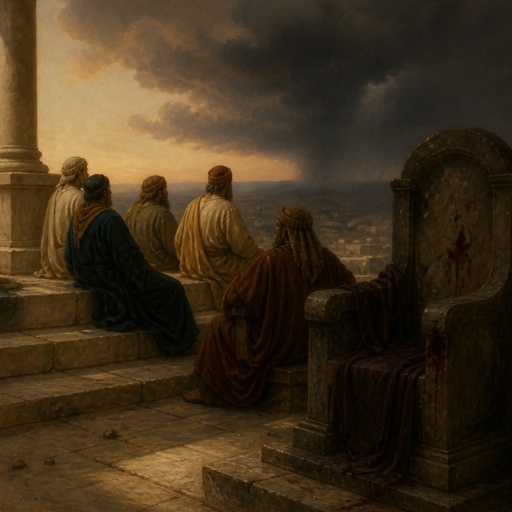
"Ye that put far away the evil day, and cause the seat of violence to come near;" - Amos 6:3

Amos 6:6 - "That drink wine in bowls, and anoint themselves with the chief ointments: but they are not grieved for the affliction of Joseph."

Amos 7:3 - "The LORD repented for this: It shall not be, saith the LORD."

Amos 7:6 - "The LORD repented for this: This also shall not be, saith the Lord GOD."

Amos 6:5 - "That chant to the sound of the viol, and invent to themselves instruments of musick, like David;"
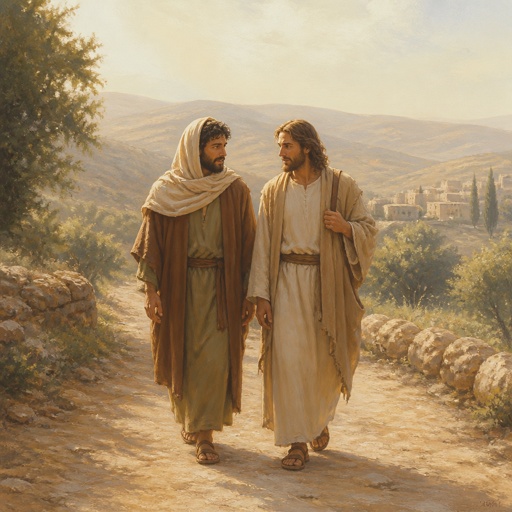
"Can two walk together, except they be agreed?" - Amos 3:3

Amos 6:9 - "And it shall come to pass, if there remain ten men in one house, that they shall die."

Amos 6:11 - "For, behold, the LORD commandeth, and he will smite the great house with breaches, and the little house with clefts."

Amos 3:13 - "Hear ye, and testify in the house of Jacob, saith the Lord GOD, the God of hosts,"

Amos 8:6 - "That we may buy the poor for silver, and the needy for a pair of shoes; yea, and sell the refuse of the wheat?"

Amos 3:10 - "For they know not to do right, saith the LORD, who store up violence and robbery in their palaces."
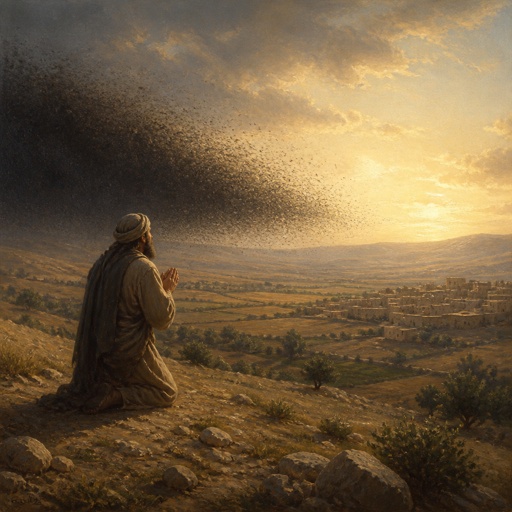
"The LORD repented for this: It shall not be, saith the LORD." - Amos 7:3

Amos 3:8 - "The lion hath roared, who will not fear? the Lord GOD hath spoken, who can but prophesy?"

Amos 6:7 - "¶ Therefore now shall they go captive with the first that go captive, and the banquet of them that stretched themselves shall be removed."
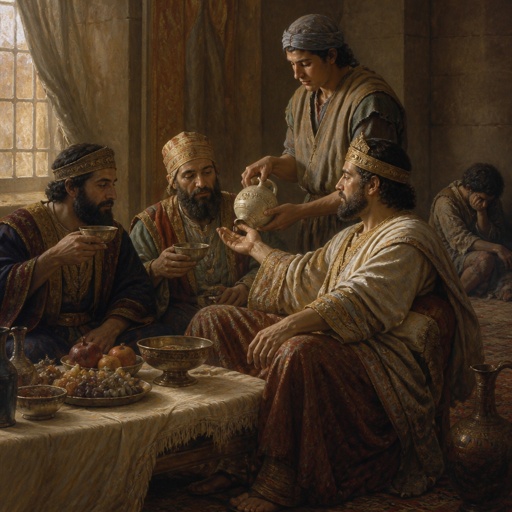
"That drink wine in bowls, and anoint themselves with the chief ointments: but they are not grieved for the affliction of Joseph." - Amos 6:6

Amos 6:13 - "Ye which rejoice in a thing of nought, which say, Have we not taken to us horns by our own strength?"

Amos 6:1 - "Woe to them that are at ease in Zion, and trust in the mountain of Samaria, which are named chief of the nations, to whom the house of Israel came!"

Amos 3:7 - "Surely the Lord GOD will do nothing, but he revealeth his secret unto his servants the prophets."

Amos 6:4 - "That lie upon beds of ivory, and stretch themselves upon their couches, and eat the lambs out of the flock, and the calves out of the midst of the stall;"
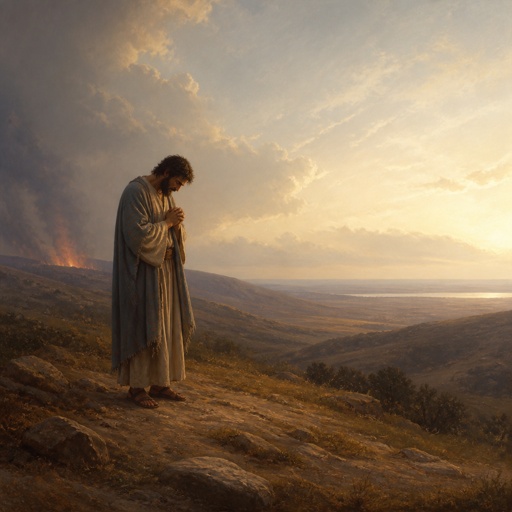
"The LORD repented for this: This also shall not be, saith the Lord GOD." - Amos 7:6

Amos 6:12 - "¶ Shall horses run upon the rock? will one plow there with oxen? for ye have turned judgment into gall, and the fruit of righteousness into hemlock:"

Luke 3:25 - "Which was the son of Mattathias, which was the son of Amos, which was the son of Naum, which was the son of Esli, which was the son of Nagge,"

Amos 3:2 - "You only have I known of all the families of the earth: therefore I will punish you for all your iniquities."

Amos 5:6 - "Seek the LORD, and ye shall live; lest he break out like fire in the house of Joseph, and devour it, and there be none to quench it in Beth-el."

Amos 4:3 - "And ye shall go out at the breaches, every cow at that which is before her; and ye shall cast them into the palace, saith the LORD."