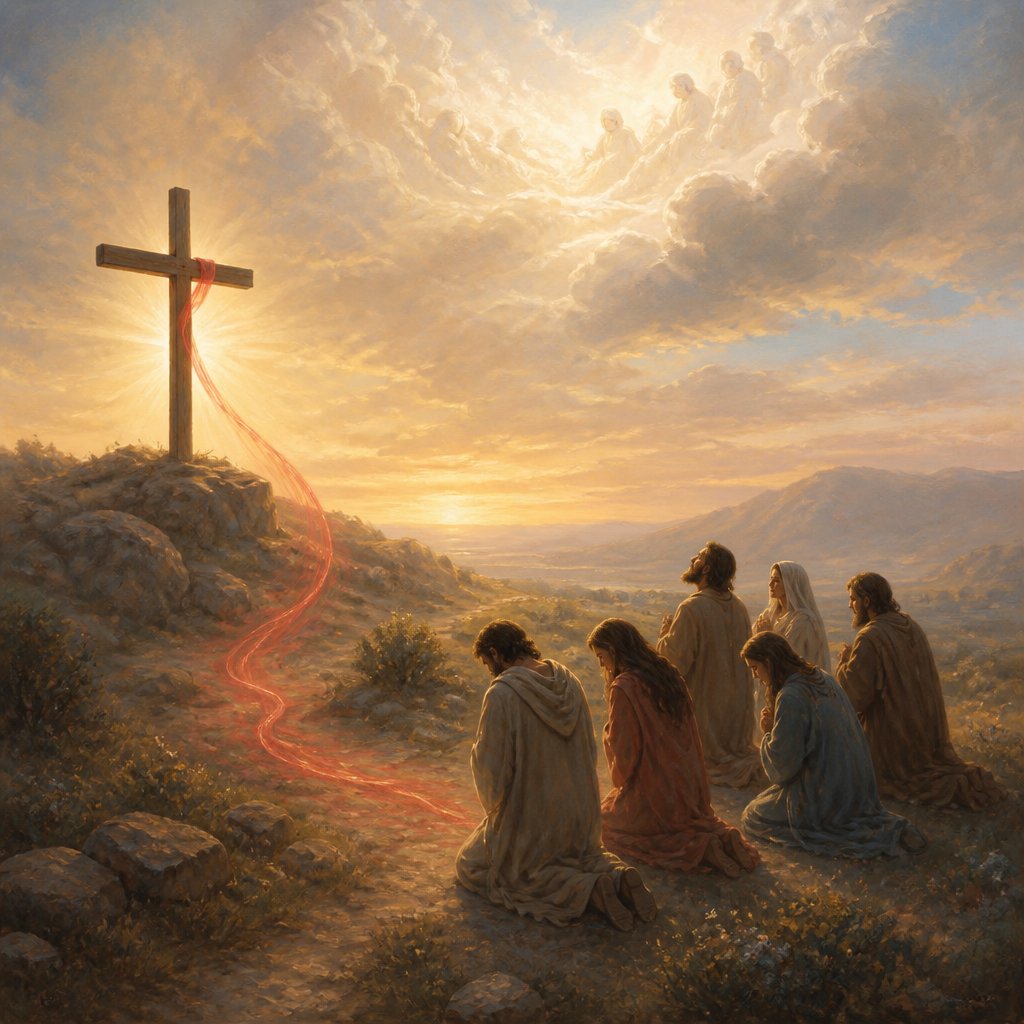
Colossians 1:20-22 in the King James Version of the Bible states, "And, having made peace through the blood of his cross, by him to reconcile all things unto himself; by him, I say, whether they be things in earth, or things in heaven. And you, that were sometime alienated and enemies in your mind by wicked works, yet now hath he reconciled in the body of his flesh through death, to present you holy and unblameable and unreproveable in his sight." This verse is part of a letter written by the apostle Paul to the church in Colossae, a city in the Roman Empire.
The passage is significant because it explores the themes of the atonement, reconciliation, and the redemptive work of Christ. It emphasizes the cosmic scope of Christ's work, as well as its personal implications for individual believers.
At the heart of this passage is the concept of reconciliation. Paul speaks of Christ reconciling "all things" to himself through the blood of his cross. This language is expansive and all-encompassing, suggesting that the work of Christ has cosmic significance. The atonement is not merely a personal transaction between individuals and God, but it has a wider impact on the entire created order. This echoes themes found elsewhere in the New Testament, such as in Romans 8:19-21, where Paul speaks of creation itself being liberated from its bondage to decay through the work of Christ.
The passage also highlights the personal implications of Christ's work for individual believers. Paul addresses the Colossian Christians, reminding them that they were once alienated from God and enemies in their minds because of their sinful behavior. However, through the death of Christ, they have been reconciled to God and are now presented as holy, blameless, and above reproach in his sight. This language underscores the transformative power of the gospel, as it speaks to the believer's new identity in Christ and their standing before God.
The passage also emphasizes the centrality of Christ's atoning work, specifically through the shedding of his blood on the cross. The reference to the blood of his cross points to the sacrificial nature of Christ's death, drawing on imagery from the Old Testament sacrificial system. The shedding of blood was understood as a means of atonement for sin, and Christ's sacrificial death is presented as the means by which reconciliation with God is achieved.
Additionally, the passage speaks to the dual nature of Christ's reconciliation, addressing not only things on earth but also things in heaven. This suggests that the work of Christ has universal significance, extending beyond the realm of humanity to encompass the spiritual realm as well.
The context of the letter to the Colossians is also important in understanding the significance of this passage. Paul is writing to a church that is facing theological challenges, including the influence of certain false teachings that downplay the significance of Christ's atoning work. In response, Paul seeks to exalt the person and work of Christ, emphasizing his preeminence and the sufficiency of his redemptive work.
In terms of symbolism, the passage reflects the language and imagery of the sacrificial system in the Old Testament. The reference to the blood of the cross invokes the idea of Christ's death as a sacrificial offering, drawing on the symbolism of atonement found in Leviticus and other Old Testament texts. This imagery serves to underscore the significance of Christ's atoning work and its centrality to the Christian faith.
In conclusion, Colossians 1:20-22 is a rich and profound passage that speaks to the cosmic scope and personal implications of Christ's atoning work. It emphasizes the reconciliatory power of Christ's death, highlighting its transformative impact on both the individual believer and the wider created order. The passage also underscores the sacrificial nature of Christ's death, drawing on the imagery of atonement found in the Old Testament. Overall, this passage serves as a powerful reminder of the centrality and sufficiency of Christ's redemptive work for all who trust in him.
Get our apps


Artwork for Colossians 1:20-22

Colossians 1:20-22 - "and through him to reconcile to himself all things, whether things on earth or things in heaven, by making peace through his blood, shed on the cross. Once you were alienated from God and were enemies in your minds because of your evil behavior. But now he has reconciled you by Christ’s physical body through death to present you holy in his sight, without blemish and free from accusation."
"and through him to reconcile to himself all things, whether things on earth or things in heaven, by making peace through his blood, shed on the cross. Once you were alienated from God and were enemies in your minds because of your evil behavior. But now he has reconciled you by Christ’s physical body through death to present you holy in his sight, without blemish and free from accusation." - Colossians 1:20-22

Colossians 1:15-20

Colossians 1:15-20

Colossians 1:22 - "In the body of his flesh through death, to present you holy and unblameable and unreproveable in his sight:"

Colossians 1:22 - "In the body of his flesh through death, to present you holy and unblameable and unreproveable in his sight:"

Colossians 1:20 - "And, having made peace through the blood of his cross, by him to reconcile all things unto himself; by him, I say, whether they be things in earth, or things in heaven."

Colossians 2:22 - "Which all are to perish with the using;) after the commandments and doctrines of men?"

Colossians 3:20 - "Children, obey your parents in all things: for this is well pleasing unto the Lord."
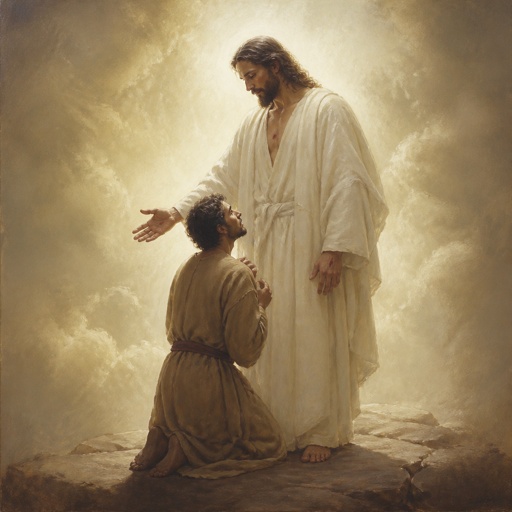
"In the body of his flesh through death, to present you holy and unblameable and unreproveable in his sight:" - Colossians 1:22

Colossians 1:21-22 - "And you, who once were alienated and enemies in your mind by wicked works, yet now He has reconciled in the body of His flesh through death, to present you holy, and blameless, and above reproach in His sight."

Colossians 1:18

Colossians 1:17

Colossians 1:17

Colossians 1:18

Colossians 1:19-20 - "For it pleased the Father that in him should all fulness dwell; And, having made peace through the blood of his cross, by him to reconcile all things unto himself; by him, I say, whether they be things in earth, or things in heaven."

Colossians 3:22 - "Servants, obey in all things your masters according to the flesh; not with eyeservice, as menpleasers; but in singleness of heart, fearing God:"

Colossians 2:20 - "Wherefore if ye be dead with Christ from the rudiments of the world, why, as though living in the world, are ye subject to ordinances,"

COLOSSIANS 1:19

Colossians 3:13

Colossians 3:20-21 - "Children, obey your parents in everything, for this pleases the Lord. Fathers, do not embitter your children, or they will become discouraged."

Colossians 2:19

Colossians 2:19

Colossians 4:6

Colossians 3:5-15

1 Samuel 22:20 - "¶ And one of the sons of Ahimelech the son of Ahitub, named Abiathar, escaped, and fled after David."
"Which all are to perish with the using;) after the commandments and doctrines of men?" - Colossians 2:22

Colossians 3:12-15

Colossians 1:1 - "Paul, an apostle of Jesus Christ by the will of God, and Timotheus our brother,"

Colossians 1:19 - "For it pleased the Father that in him should all fulness dwell;"